

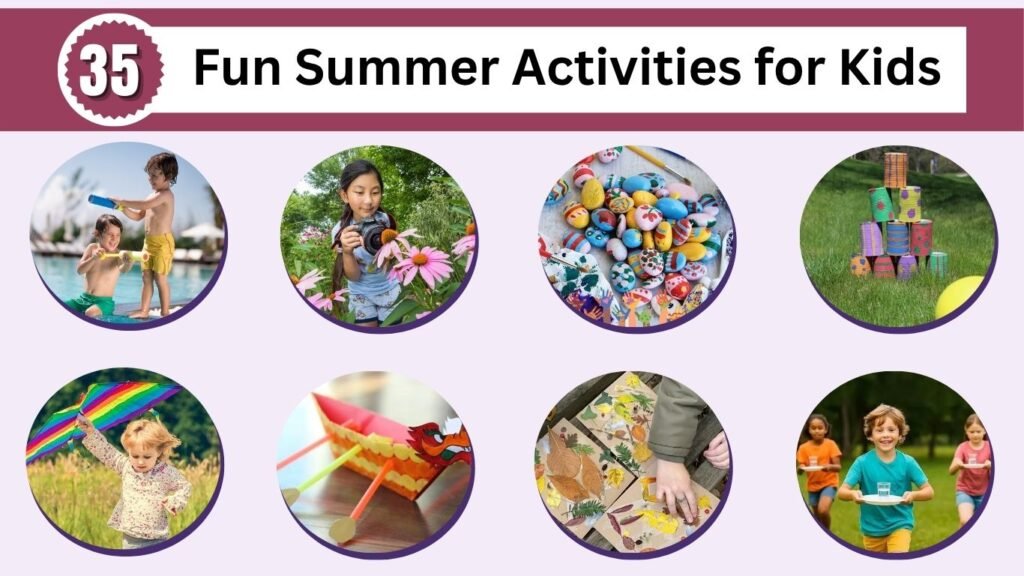
Looking for exciting ways to keep your kids active and entertained this summer? These 35 fun summer activities for kids offer easy, affordable, and creative ideas for sunny days. From backyard water games and nature adventures to arts and crafts, outdoor sports, and family picnics, discover simple activities that require minimal preparation and everyday materials while encouraging creativity, learning, and unforgettable summer memories.
1. Backyard Water Balloon Games
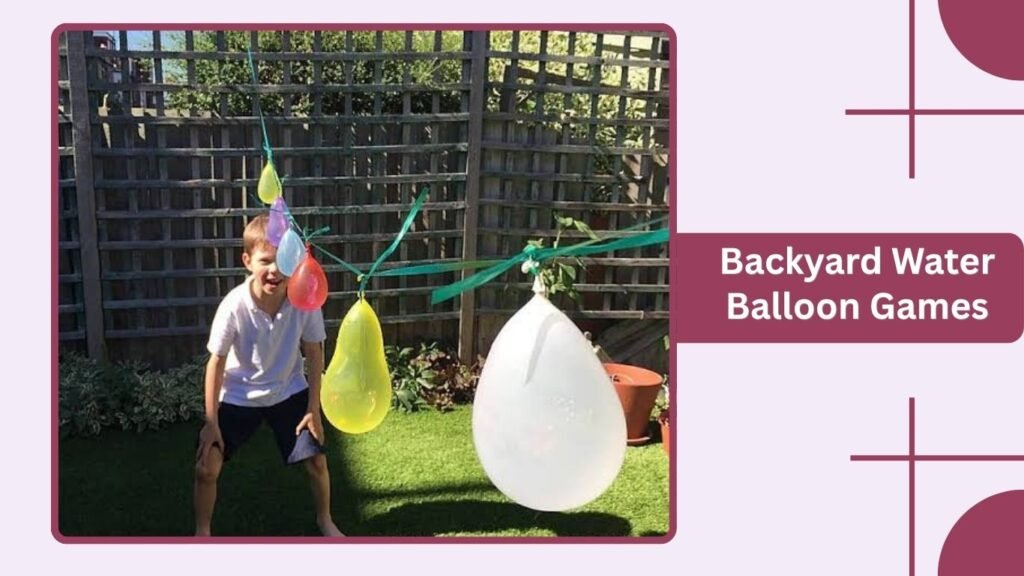
Backyard water balloon games are exciting summer activities for kids that combine outdoor fun, physical movement, and refreshing water play. These games help children stay active while enjoying warm weather with friends and family. From water balloon tosses to colorful target challenges, there are many creative ways to turn an ordinary backyard into a playful summer adventure. With simple materials and minimal preparation, water balloon games provide hours of entertainment while encouraging teamwork, coordination, and friendly competition.
Materials Needed
- Biodegradable water balloons or reusable water balloons
- Buckets or large containers filled with clean water
- Plastic baskets, hula hoops, or lightweight targets
- Towels and comfortable outdoor clothing
- A spacious backyard or safe grassy play area
How to Organize Backyard Water Balloon Games
Start by choosing a spacious outdoor area with a soft, grassy surface and enough room for children to move comfortably. Fill reusable water balloons with clean water and place them in buckets around the play area. Divide children into small teams or allow them to participate individually. Introduce simple games such as water balloon tossing, target throwing, or relay challenges. Explain the rules clearly and encourage children to aim below shoulder level. Adjust the difficulty according to their ages and abilities to ensure everyone can participate and enjoy the experience.
Creative Water Balloon Game Ideas
Make water balloon activities more exciting by introducing different challenges and imaginative competitions. Organize a water balloon toss where partners gradually move farther apart after each successful catch. Create a target game using colorful buckets or hula hoops placed at different distances. Children can also participate in relay races by carrying reusable water balloons between designated stations. For younger kids, introduce gentle water balloon passing games that focus on cooperation rather than competition. Adding colorful team markers and simple challenges keeps the activity fresh and entertaining throughout the summer.
2. DIY Slip and Slide
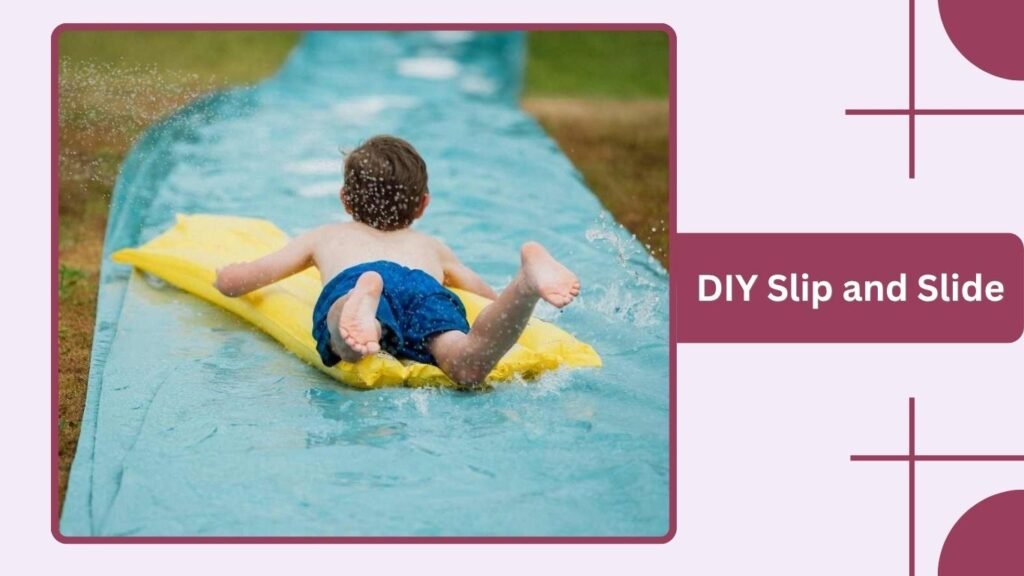
A DIY slip and slide is an exciting summer activity for kids that combines water play, outdoor movement, and refreshing entertainment. This backyard activity transforms a simple grassy area into a playful water attraction where children can enjoy cooling off during warm afternoons. With suitable materials and careful preparation, families can create an enjoyable sliding experience without visiting a water park. A slip and slide encourages active play, laughter, and memorable summer moments with siblings and friends.
Materials Needed
- A commercially designed, age-appropriate backyard slip-and-slide mat
- Garden hose with adjustable water flow
- Soft, level grassy area free from obstacles
- Towels and comfortable swimwear
- Outdoor sunscreen and drinking water
How to Set Up a DIY Slip and Slide
Begin by choosing a flat, grassy backyard area away from fences, trees, rocks, and hard surfaces. Inspect the ground carefully and remove any objects that could cause injuries. Place an age-appropriate slip-and-slide mat on the grass according to the manufacturer’s instructions, ensuring it lies smoothly without folds or sharp edges. Connect a garden hose and adjust the water flow to keep the surface wet. Explain the activity rules before allowing children to play. Encourage gentle, feet-first sliding in a seated position when permitted by the product instructions, and allow one child at a time.
Creative Slip and Slide Ideas
Make the activity more entertaining by introducing simple summer themes and playful challenges. Children can enjoy taking turns sliding while family members cheer from a safe distance. Create a tropical backyard atmosphere with colorful decorations, beach towels, and cheerful summer music. Consider organizing a themed water-play afternoon by combining supervised sliding sessions with sprinkler games and gentle water activities. Younger children can participate in separate shallow water games appropriate for their ages. Keeping the activity relaxed and emphasizing safe participation allows everyone to enjoy a refreshing summer experience.
3. Outdoor Treasure Hunt
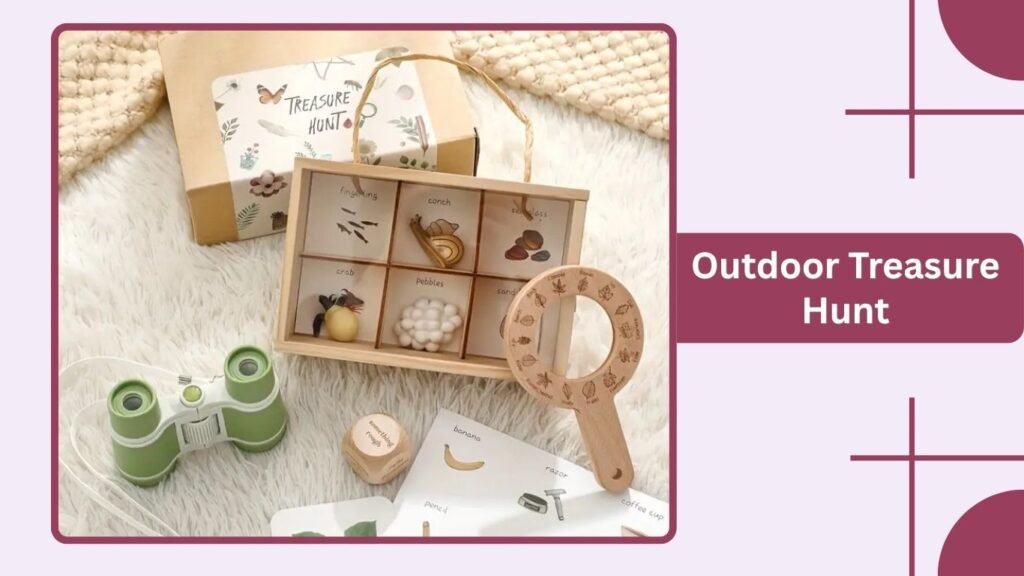
An outdoor treasure hunt is an adventurous summer activity for kids that combines exploration, problem-solving, and imaginative play. Children can search for hidden clues, discover exciting objects, and complete creative challenges while enjoying fresh air and sunshine. Whether organized in a backyard, garden, or suitable outdoor play area, this activity encourages curiosity, teamwork, and physical movement. With simple materials and a little preparation, an outdoor treasure hunt can transform an ordinary summer afternoon into a memorable adventure.
Materials Needed
- Paper, colorful markers, and clue cards
- Small toys, stickers, or age-appropriate prizes
- Envelopes or containers for hiding clues
- A decorative box or basket for the final treasure
- A printed treasure map or simple checklist
How to Organize an Outdoor Treasure Hunt
Start by selecting a safe outdoor area and identifying suitable locations for hiding clues. Create a simple treasure map or write short riddles that guide children between different spots. For younger participants, use picture clues featuring familiar objects such as trees, flowerpots, or garden benches. Hide each clue in an accessible location and place a small reward at the final destination. Explain the boundaries and rules before starting the activity. Encourage children to work individually or in teams as they follow directions, solve puzzles, and search for their hidden treasure.
Creative Outdoor Treasure Hunt Ideas
Make the treasure hunt more exciting by introducing imaginative themes such as pirate adventures, jungle exploration, secret detectives, or magical kingdoms. Children can dress as their favorite characters and follow themed clues throughout the backyard. Consider adding challenges such as identifying plants, solving simple riddles, or finding objects matching specific colors. Older kids may enjoy decoding secret messages or following a more detailed treasure map. For group activities, organize teams and encourage cooperation while completing each challenge. Changing the theme and hiding locations makes the activity enjoyable throughout the summer.
4. Summer Nature Scavenger Hunt
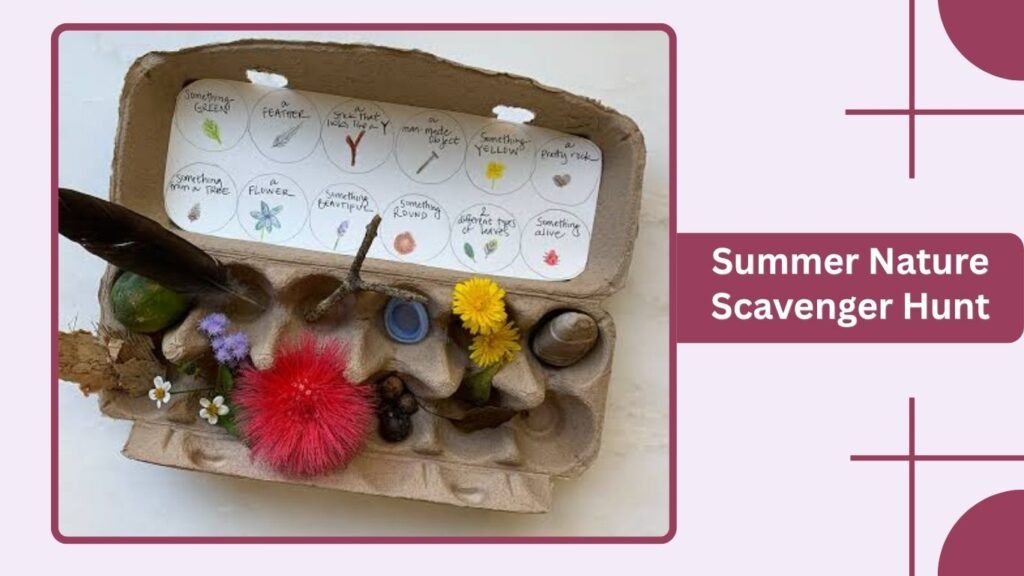
A summer nature scavenger hunt is an exciting outdoor activity for kids that combines exploration, observation, and hands-on learning. Children can discover colorful flowers, interesting leaves, insects, and other natural objects while exploring their backyard, garden, or local park. This simple activity encourages curiosity about the natural world while keeping kids physically active during summer. With minimal preparation and everyday materials, a nature scavenger hunt creates memorable outdoor adventures that inspire creativity, teamwork, and environmental awareness.
Materials Needed
- Printed nature scavenger hunt checklist or paper
- Pencils, crayons, and colorful markers
- Small baskets or reusable collection bags
- Magnifying glasses for observing natural objects
- Comfortable outdoor clothing, sunscreen, and drinking water
How to Organize a Summer Nature Scavenger Hunt
Start by selecting a safe outdoor location, such as your backyard, a nearby park, or a familiar nature trail. Prepare a checklist featuring common natural objects, including green leaves, colorful flowers, smooth stones, butterflies, and different types of trees. For younger children, use pictures instead of written descriptions to make identification easier. Give each participant a checklist and explain the activity boundaries. Encourage children to explore carefully, observe their surroundings, and mark each discovery. Allow them to work independently or in small teams while enjoying the natural environment.
Creative Nature Scavenger Hunt Ideas
Make the scavenger hunt more entertaining by introducing different themes and observation challenges. Organize a color hunt where children search for natural objects matching specific colors. Create a texture challenge involving smooth stones, rough tree bark, soft grass, and interesting leaves. Older children may enjoy identifying different bird species, insects, or plant shapes using a simple nature guide. Consider adding a photography challenge where participants take pictures of their discoveries instead of collecting objects. Changing themes throughout summer keeps the activity fresh and encourages children to notice new details in familiar outdoor environments.
5. Backyard Camping Adventure
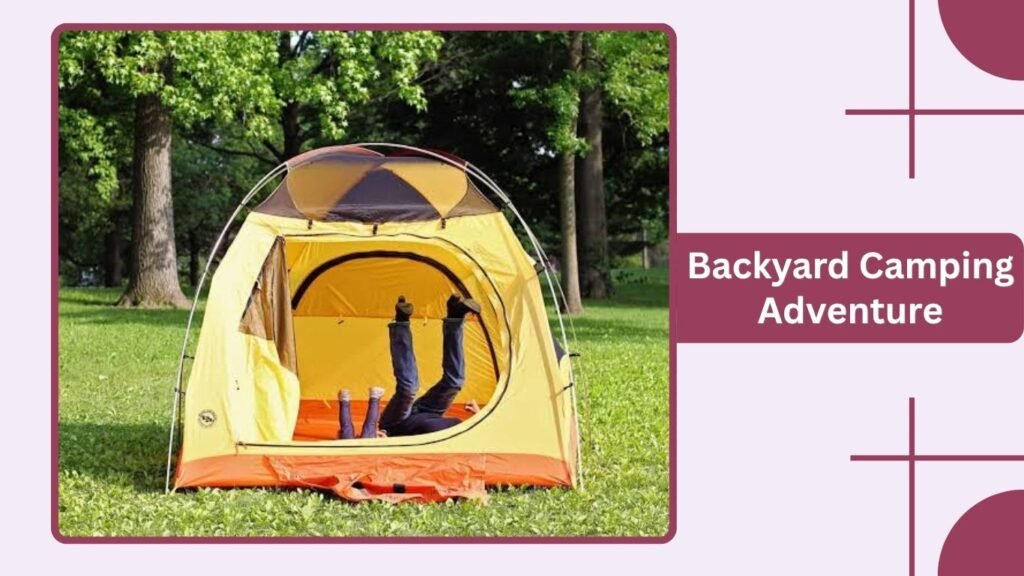
A backyard camping adventure is a fun summer activity for kids that brings the excitement of outdoor camping close to home. Children can set up tents, explore their surroundings, enjoy storytelling, and participate in imaginative camping games without traveling to a campsite. This activity combines outdoor exploration, creativity, and family bonding while introducing basic camping skills. Whether organized as an afternoon adventure or an overnight experience, backyard camping provides memorable summer entertainment in a familiar environment.
Materials Needed
- Small camping tent or age-appropriate outdoor play tent
- Sleeping bags, blankets, and comfortable camping mats
- Battery-operated lanterns or LED camping lights
- Camping-inspired snacks and reusable water bottles
- Flashlights, storybooks, and outdoor games
How to Organize a Backyard Camping Adventure
Begin by selecting a flat, dry area in your backyard away from potential hazards. Set up a small tent according to the manufacturer’s instructions and arrange sleeping bags or comfortable mats inside. Allow children to help organize the campsite by placing lanterns, pillows, and camping supplies in suitable locations. Create a simple schedule featuring outdoor games, nature exploration, and storytelling. During the evening, gather around a battery-operated lantern for an imaginative campfire experience. If planning an overnight stay, ensure the weather is suitable and provide appropriate adult supervision.
Creative Backyard Camping Ideas
Make backyard camping more exciting by introducing imaginative activities and themed adventures. Children can pretend to be wilderness explorers searching for hidden animal tracks or discovering imaginary forest creatures. Organize a flashlight scavenger hunt after sunset within a clearly defined, supervised area. Consider preparing simple camping-inspired snacks and sharing funny or adventurous stories inside the tent. Kids may also enjoy creating nature journals, identifying stars, or listening to nighttime sounds. Adding a pretend campsite restaurant or outdoor storytelling theater can make the experience even more entertaining.
6. DIY Water Sprinkler Fun
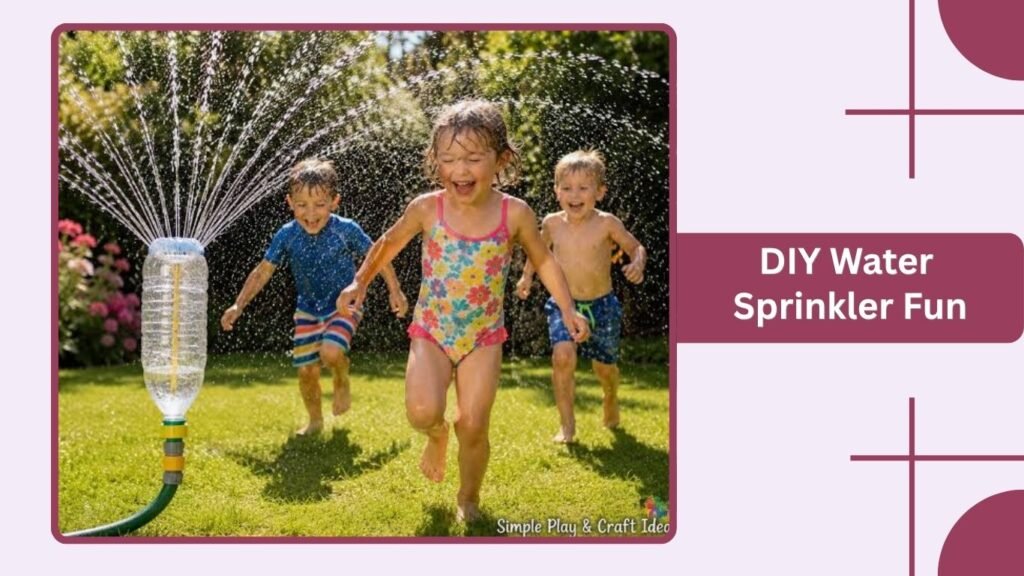
DIY water sprinkler fun is a refreshing summer activity for kids that combines outdoor play, physical movement, and creative entertainment. Children can run through gentle streams of water, play simple sprinkler games, and enjoy cooling off during warm afternoons. With a garden hose, a suitable sprinkler attachment, and a safe grassy area, families can create an exciting backyard water-play station. This affordable activity encourages active play, laughter, and social interaction while making summer days more enjoyable.
Materials Needed
- Garden hose with an adjustable sprinkler attachment
- A spacious, level grassy backyard or play area
- Colorful plastic cups and lightweight water toys
- Comfortable swimwear and non-slip water shoes
- Towels, sunscreen, and drinking water
How to Organize DIY Water Sprinkler Fun
Start by choosing a flat, grassy outdoor area away from sharp objects, electrical equipment, and slippery pavement. Connect a sprinkler attachment to a garden hose and position it securely on the ground. Adjust the water pressure to produce gentle streams suitable for children’s ages. Allow kids to explore the water patterns before introducing organized games. Encourage them to walk, dance, or move carefully through the sprinkler while taking turns. Place towels and drinking water nearby, and schedule short breaks in shaded areas to prevent overheating and exhaustion.
Creative Water Sprinkler Game Ideas
Make sprinkler play more exciting by introducing imaginative challenges and interactive games. Organize a water dance party where children move to cheerful music while enjoying the gentle spray. Create a sprinkler obstacle path using lightweight markers positioned safely around the grassy area. Kids can also enjoy a follow-the-leader game involving simple movements through the water. For younger children, introduce supervised water-catching activities using plastic cups. Consider arranging a colorful summer-themed play area with beach balls and decorative accessories to make the experience more entertaining.
7. Sidewalk Chalk Art
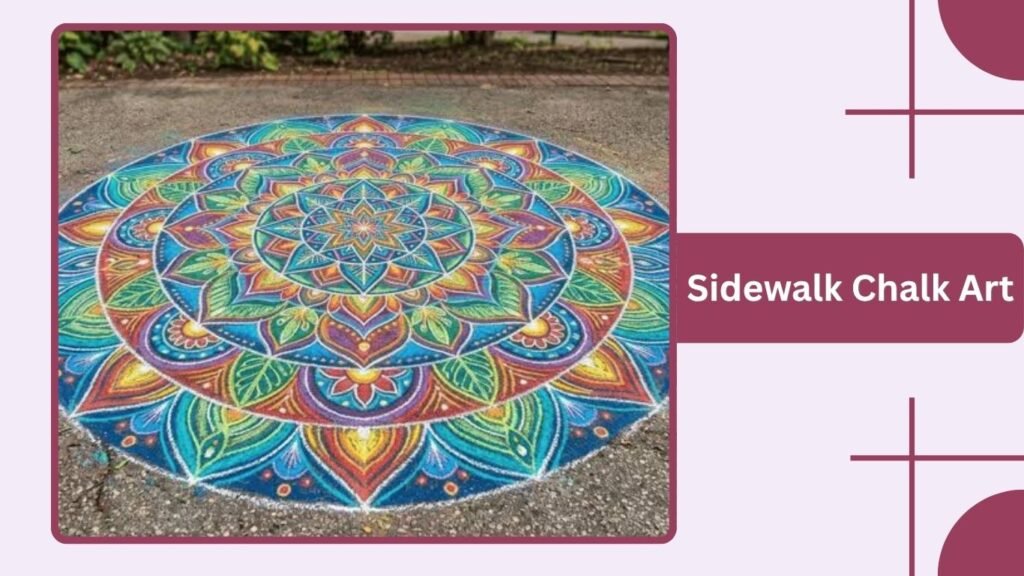
Sidewalk chalk art is a colorful summer activity for kids that transforms ordinary driveways, sidewalks, and outdoor play areas into creative masterpieces. Children can draw imaginative pictures, design playful patterns, and create interactive games using simple chalk supplies. This inexpensive activity encourages artistic expression while allowing kids to enjoy fresh air and sunshine. Whether drawing colorful rainbows, imaginary cities, or giant outdoor murals, sidewalk chalk art provides an entertaining experience that combines creativity, physical movement, and hands-on learning.
Materials Needed
- Washable sidewalk chalk in different colors
- A clean driveway, sidewalk, or paved outdoor area
- Stencils, rulers, and simple drawing templates
- Small containers of water and paintbrushes
- Sunscreen, drinking water, and comfortable outdoor clothing
How to Organize Sidewalk Chalk Art
Begin by selecting a safe paved area away from moving vehicles and heavy foot traffic. Sweep away loose dirt and debris to create a clean drawing surface. Provide children with colorful sidewalk chalk and encourage them to choose their favorite designs. Younger kids can practice drawing simple shapes, flowers, and animals, while older children may enjoy creating detailed landscapes or large murals. Introduce basic drawing challenges or allow everyone to work together on a shared artwork. Encourage experimentation with different colors, patterns, and drawing techniques.
Creative Sidewalk Chalk Art Ideas
Make sidewalk chalk activities more exciting by introducing imaginative themes and interactive designs. Children can create a colorful hopscotch course, draw giant mazes, or design an imaginary town with roads and buildings. Consider organizing a family chalk art exhibition where everyone contributes a unique picture. Kids may also enjoy tracing shadows, creating rainbow patterns, or drawing life-sized outlines with adult assistance. Adding water with a paintbrush can create interesting blending effects and darker chalk colors. Changing themes throughout the summer keeps the activity fresh and encourages continued creativity.
8. Homemade Bubble Station
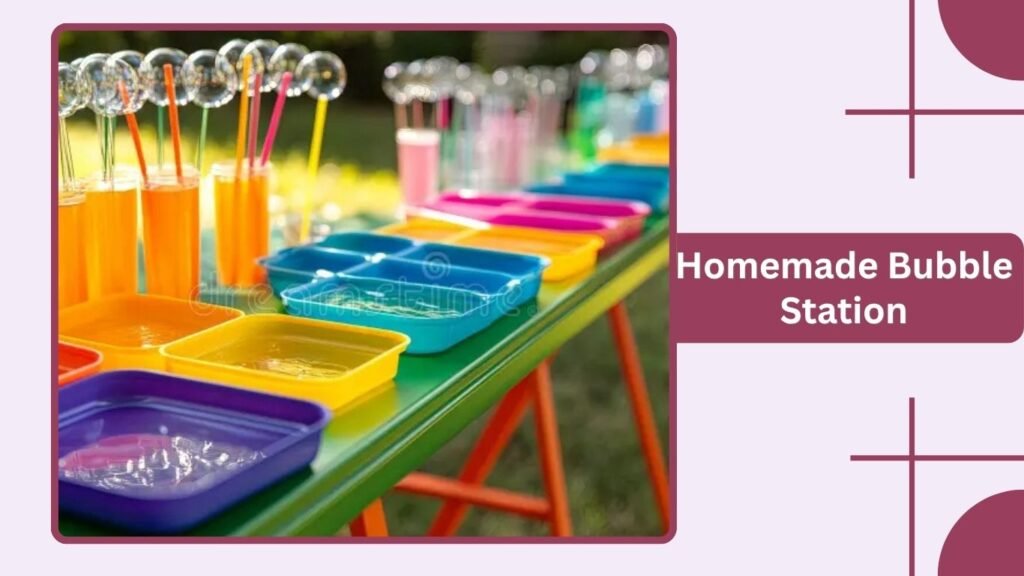
A homemade bubble station is a fun and creative summer activity for kids that combines outdoor play, sensory exploration, and simple science concepts. Children can make bubble solutions, experiment with different bubble wands, and create colorful floating bubbles in the backyard. This affordable activity requires only a few household materials and minimal preparation. Whether blowing giant bubbles, chasing floating bubbles, or organizing bubble challenges, a homemade bubble station provides refreshing outdoor entertainment while encouraging imagination, coordination, and playful learning.
Materials Needed
- Water and mild liquid dish soap
- Large plastic bowls or shallow containers
- Bubble wands in different sizes
- Pipe cleaners for making homemade bubble wands
- Measuring cups, towels, and a clean outdoor play area
How to Set Up a Homemade Bubble Station
Start by choosing a spacious outdoor area with a flat surface and enough room for children to move safely. Prepare a simple bubble solution by mixing approximately one cup of water with two tablespoons of mild dish soap. Stir gently to avoid creating excessive foam. Pour the solution into shallow containers and provide different bubble wands for children to use. Show them how to dip the wands into the solution and blow gently to create bubbles. Encourage kids to experiment with different wand sizes and blowing techniques while enjoying the floating bubbles.
Creative Homemade Bubble Activity Ideas
Make bubble play more exciting by introducing different challenges and imaginative games. Children can compete to create the largest bubble, count how many bubbles they produce, or observe which bubbles float the longest. Create homemade bubble wands using pipe cleaners shaped into circles, hearts, or stars. Older children may enjoy comparing how different wand sizes affect bubble formation. Organize a bubble-catching challenge where participants gently pop floating bubbles with their fingers. Adding colorful outdoor decorations and cheerful music can transform the bubble station into an entertaining summer play area.
9. Backyard Obstacle Course
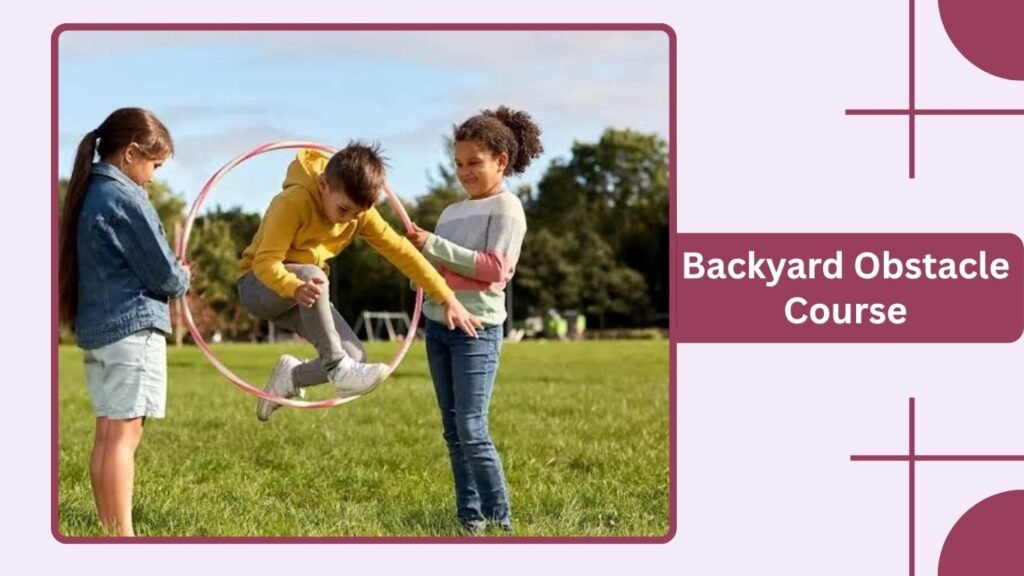
A backyard obstacle course is an exciting summer activity for kids that combines physical exercise, creative challenges, and outdoor adventure. Using simple household items, children can navigate different obstacles while practicing running, jumping, balancing, and crawling. This activity transforms an ordinary backyard into an interactive playground filled with entertaining challenges. Whether organized for individual play or friendly team competitions, a backyard obstacle course encourages coordination, problem-solving, and confidence while providing an active way to enjoy summer afternoons.
Materials Needed
- Hula hoops, soft cones, and lightweight markers
- Pool noodles and small cardboard boxes
- Jump ropes or painter’s tape for marking pathways
- Soft balls, plastic buckets, and beanbags
- Stopwatch, drinking water, and comfortable athletic clothing
How to Set Up a Backyard Obstacle Course
Begin by selecting a spacious, level grassy area and removing sharp objects, rocks, and other potential hazards. Arrange several activity stations using lightweight materials. Create a zigzag running path with cones, position hula hoops for stepping challenges, and add a simple crawling station using a suitable play tunnel. Set up a beanbag toss station near the finish line to introduce an aiming challenge. Explain each obstacle clearly and demonstrate safe movements before children begin. Adjust the course based on their ages and physical abilities to ensure everyone can participate comfortably.
Creative Backyard Obstacle Course Ideas
Make the obstacle course more exciting by introducing imaginative themes and different challenge levels. Children can pretend to complete superhero training, explore a jungle, or participate in a secret adventure mission. Organize a relay challenge where teammates complete different stations before passing the turn to another player. Older kids may enjoy timing their runs and attempting to improve their personal results. Younger children can follow simplified paths featuring stepping, crawling, and gentle tossing activities. Rearranging obstacles between rounds keeps the course interesting and encourages children to develop new movement strategies.
10. DIY Lemonade Stand
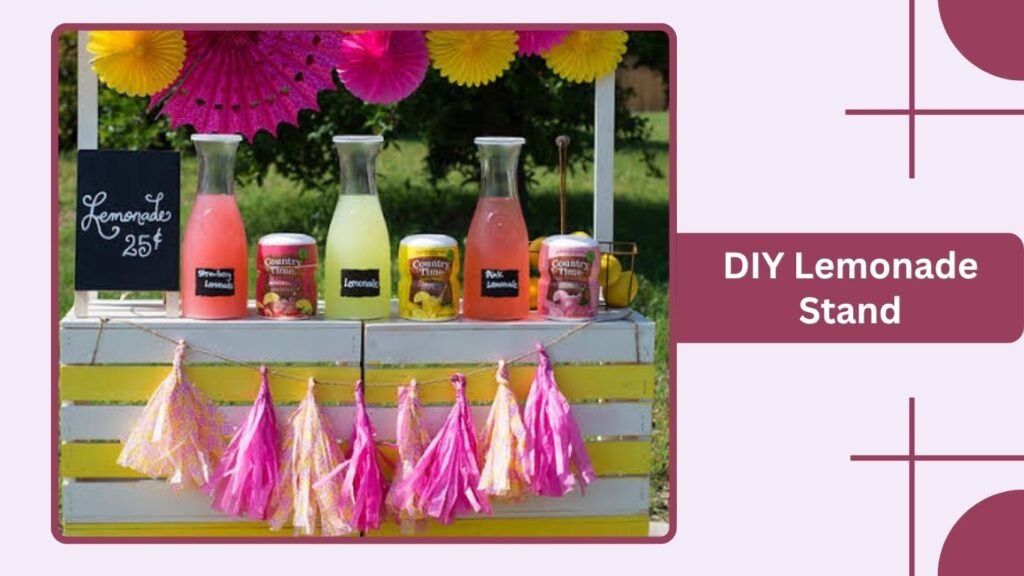
A DIY lemonade stand is a fun and educational summer activity for kids that combines creativity, basic business skills, and outdoor entertainment. Children can prepare refreshing lemonade, decorate their own stand, and practice simple communication and money-counting skills. This hands-on activity encourages independence, teamwork, and imaginative play while introducing the basics of selling products. Whether organized as a pretend shop in the backyard or a supervised neighborhood lemonade stand, it provides a memorable summer experience with simple materials and minimal preparation.
Materials Needed
- Fresh lemons, water, sugar, and ice cubes
- Pitchers, measuring cups, and reusable serving cups
- Small table, cardboard boxes, or a portable stand
- Colorful paper, markers, and decorative signs
- Cash box, play money, or simple price tags
How to Organize a DIY Lemonade Stand
Start by helping children prepare a simple lemonade recipe using fresh lemon juice, water, and sugar. Allow them to measure ingredients, stir the mixture, and taste the lemonade to adjust its sweetness. Next, arrange a small table in a shaded backyard area or another suitable location. Encourage kids to decorate the stand with colorful signs, handmade banners, and creative price labels. Explain how to welcome customers, serve drinks, and practice basic money calculations. Younger children can operate a pretend lemonade shop, while older kids may enjoy managing a real stand with adult supervision and any required local permissions.
Creative DIY Lemonade Stand Ideas
Make the lemonade stand more exciting by introducing colorful themes and imaginative business activities. Children can create a tropical lemonade shop with bright decorations or design a summer café featuring different lemonade flavors. Consider preparing strawberry, mint, or watermelon lemonade variations using suitable ingredients. Kids may enjoy creating their own business name, designing a logo, or making promotional posters. Organize a family taste-testing activity where everyone votes for their favorite recipe. Older children can practice calculating ingredient costs, setting simple prices, and tracking sales to make the experience more educational.
11. Outdoor Picnic Adventure
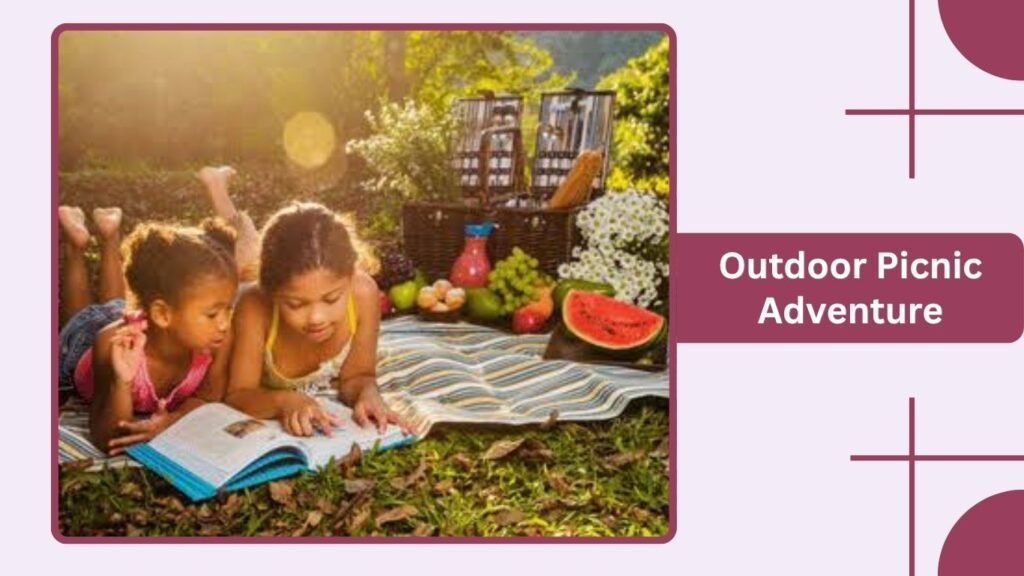
An outdoor picnic adventure is a relaxing summer activity for kids that combines fresh air, delicious snacks, and playful outdoor entertainment. Children can help prepare picnic baskets, choose a comfortable location, and enjoy simple games surrounded by nature. Whether organized in a backyard, local park, or shaded garden, a summer picnic offers an opportunity for family bonding and outdoor exploration. With affordable supplies and easy preparation, an outdoor picnic can turn an ordinary afternoon into a special and memorable summer experience.
Materials Needed
- Large picnic blanket or comfortable outdoor mat
- Picnic basket, cooler, or reusable food containers
- Sandwiches, fresh fruits, snacks, and drinking water
- Paper plates, napkins, and reusable utensils
- Outdoor toys, storybooks, and simple picnic games
How to Organize an Outdoor Picnic Adventure
Begin by selecting a safe, comfortable outdoor location with adequate shade and a clean seating area. Prepare simple picnic foods such as sandwiches, sliced fruits, crackers, and refreshing drinks. Invite children to help pack the picnic basket and organize necessary supplies. Spread a large blanket on a level grassy surface and arrange food containers within easy reach. Encourage kids to participate in setting up the picnic area and preparing their plates. After enjoying the meal, introduce simple outdoor games or nature exploration activities to keep everyone entertained.
Creative Outdoor Picnic Ideas
Make the picnic more exciting by introducing imaginative themes and interactive activities. Organize a teddy bear picnic where children bring their favorite stuffed animals to join the gathering. Create a colorful rainbow picnic featuring fruits and snacks in different colors. Kids can also enjoy storytelling sessions, nature scavenger hunts, or simple ball games after eating. Consider organizing a backyard picnic restaurant where children design pretend menus and serve family members. For older kids, introduce a picnic planning challenge where they help choose foods, organize supplies, and create an afternoon activity schedule.
12. Summer Arts and Crafts
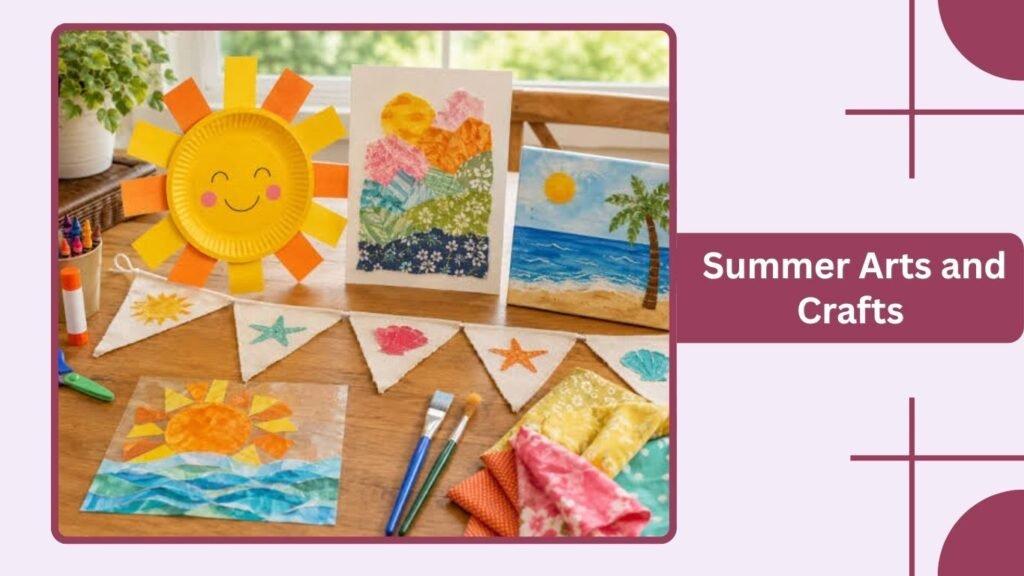
Summer arts and crafts are creative outdoor activities for kids that combine imagination, hands-on learning, and artistic expression. Children can use colorful materials, natural objects, and recycled supplies to create unique summer-inspired projects. From handmade decorations and paper flowers to colorful sun catchers, these activities provide endless opportunities for creativity. Whether organized in the backyard, on a covered patio, or at an outdoor craft table, summer arts and crafts keep children entertained while encouraging independence and artistic development.
Materials Needed
- Colored paper, cardboard, and construction paper
- Washable paints, crayons, and colorful markers
- Child-safe scissors, non-toxic glue, and craft tape
- Leaves, flowers, smooth stones, and other safe natural materials
- Stickers, ribbons, and recycled craft supplies
How to Organize Summer Arts and Crafts
Start by selecting a comfortable outdoor workspace with adequate shade and enough room for children to create their projects. Cover the table with a protective mat and arrange craft materials within easy reach. Introduce simple summer-themed activities such as making paper flowers, decorating cardboard suns, or creating colorful nature collages. Younger children can enjoy drawing, coloring, and gluing prepared shapes, while older kids may prefer more detailed projects involving cutting and assembling materials. Encourage creativity by allowing children to experiment with different colors, textures, and designs.
Creative Summer Arts and Crafts Ideas
Make craft time more exciting by introducing themes inspired by summer landscapes, animals, flowers, and outdoor adventures. Children can create paper butterflies, colorful wind decorations, homemade bookmarks, or painted flowerpots. Consider organizing a nature-inspired art challenge where participants create pictures using fallen leaves and flowers. Kids may also enjoy making summer greeting cards or designing decorative banners for backyard parties. For older children, introduce recycled art projects using cardboard boxes, paper rolls, and plastic containers. Displaying completed creations around the home or garden helps celebrate their artistic achievements.
13. DIY Sponge Water Games
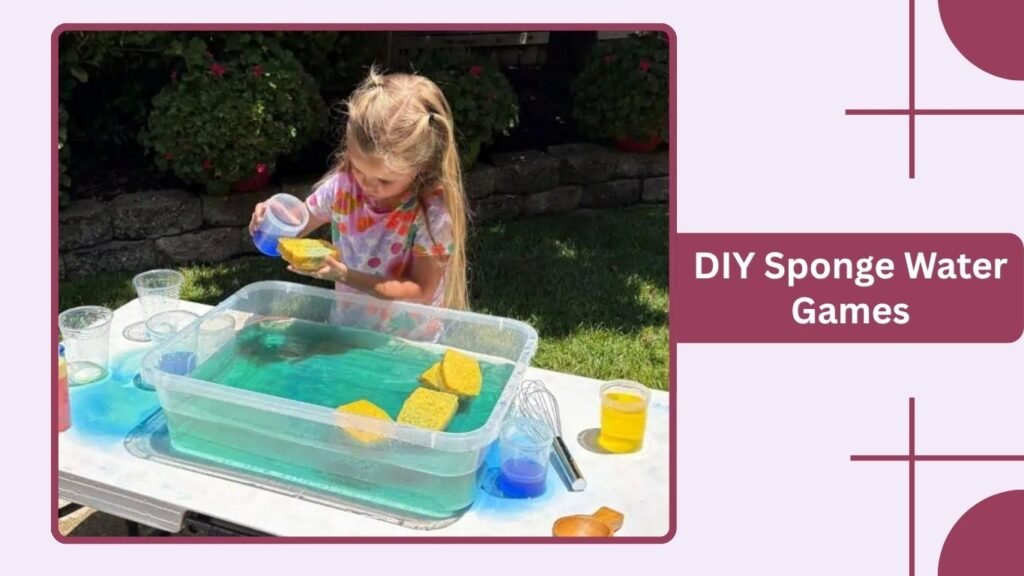
DIY sponge water games are refreshing summer activities for kids that combine active outdoor play, teamwork, and simple water challenges. Using soft sponges, buckets, and clean water, children can participate in entertaining games while cooling off during warm afternoons. These activities are affordable, easy to organize, and suitable for backyard gatherings or family playtime. From sponge relay races to water target challenges, DIY sponge games encourage physical movement, coordination, and friendly competition while creating memorable summer experiences.
Materials Needed
- Large, soft, clean sponges in different colors
- Plastic buckets or shallow water containers
- Clean water for soaking and squeezing sponges
- Lightweight plastic cups and target containers
- Towels, sunscreen, and comfortable outdoor clothing
How to Organize DIY Sponge Water Games
Begin by choosing a spacious, level outdoor area with a soft grassy surface. Fill several buckets with clean water and place large sponges inside. Set up simple activity stations using empty containers or lightweight targets. Explain the rules and demonstrate how to soak, carry, and squeeze the sponges safely. For a basic relay game, children can transfer water from one bucket to another using only their sponges. Encourage participants to work together or take turns completing different challenges. Adjust the distances and difficulty levels according to the children’s ages and abilities.
Creative DIY Sponge Water Game Ideas
Make sponge water games more exciting by introducing different challenges and imaginative competitions. Organize a sponge relay race where children carry soaked sponges between two buckets and squeeze the water into a collection container. Create a target game by placing colorful plastic cups at different distances and allowing kids to toss wet sponges toward them. Younger children can enjoy squeezing water into measuring cups or sorting sponges by color. Older kids may enjoy timed water-transfer challenges or team competitions. Combining several games creates an entertaining backyard water-play experience without complicated equipment.
14. Backyard Mini Olympics
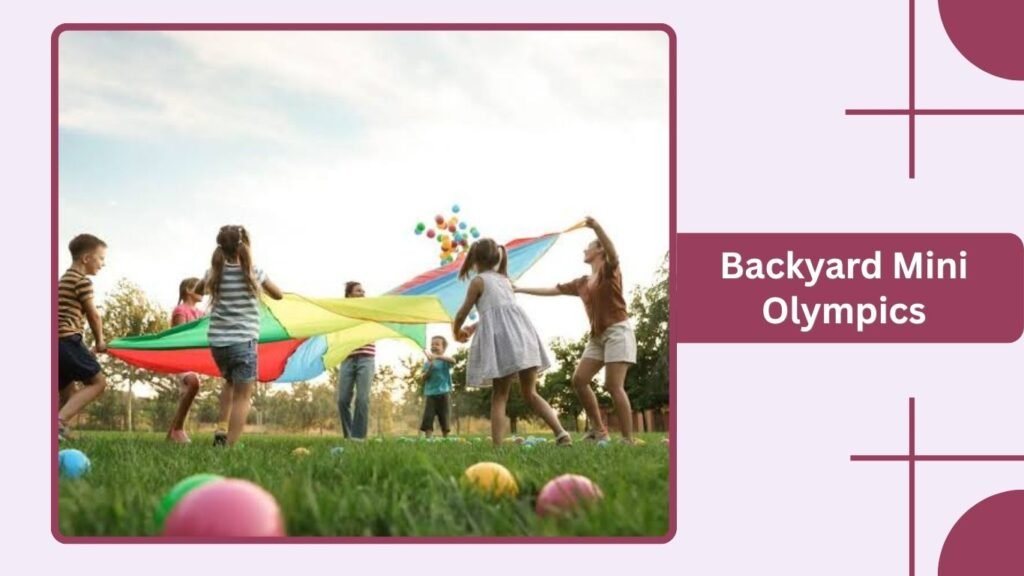
Backyard Mini Olympics is an exciting summer activity for kids that combines outdoor exercise, friendly competition, and teamwork. Children can participate in simple sporting challenges, relay races, and creative games using everyday household materials. This activity transforms an ordinary backyard into a miniature sports arena where kids can develop physical skills while having fun. Whether organized for siblings, friends, or family gatherings, Backyard Mini Olympics encourages active play, confidence, and cooperation while creating memorable summer experiences.
Materials Needed
- Hula hoops, soft balls, and beanbags
- Plastic cones or lightweight markers
- Jump ropes and small buckets
- Stopwatch, paper, and pencils for recording scores
- Homemade medals, certificates, and colorful ribbons
How to Organize Backyard Mini Olympics
Begin by selecting a spacious, level backyard area and removing any obstacles that could cause injuries. Create several activity stations featuring simple challenges such as beanbag tossing, short relay races, balancing games, and target throwing. Mark each station with colorful cones or lightweight markers. Divide children into teams or allow them to compete individually based on their ages and preferences. Explain the rules clearly and demonstrate each activity before starting. Encourage children to complete challenges at their own pace while celebrating participation, teamwork, and personal improvement.
Creative Backyard Mini Olympics Ideas
Make the event more entertaining by introducing different sporting challenges and imaginative competitions. Organize a hula hoop challenge where children test their coordination and balance. Create a beanbag target toss using colorful buckets positioned at different distances. Kids can also enjoy simple obstacle relays, soft-ball throwing contests, and standing long-jump challenges on suitable grass. Consider introducing a family team competition where adults and children participate together. Award handmade medals or participation certificates to recognize everyone’s efforts. Changing the challenges throughout the event helps maintain excitement and encourages children to develop new skills.
15. Nature Painting Activities
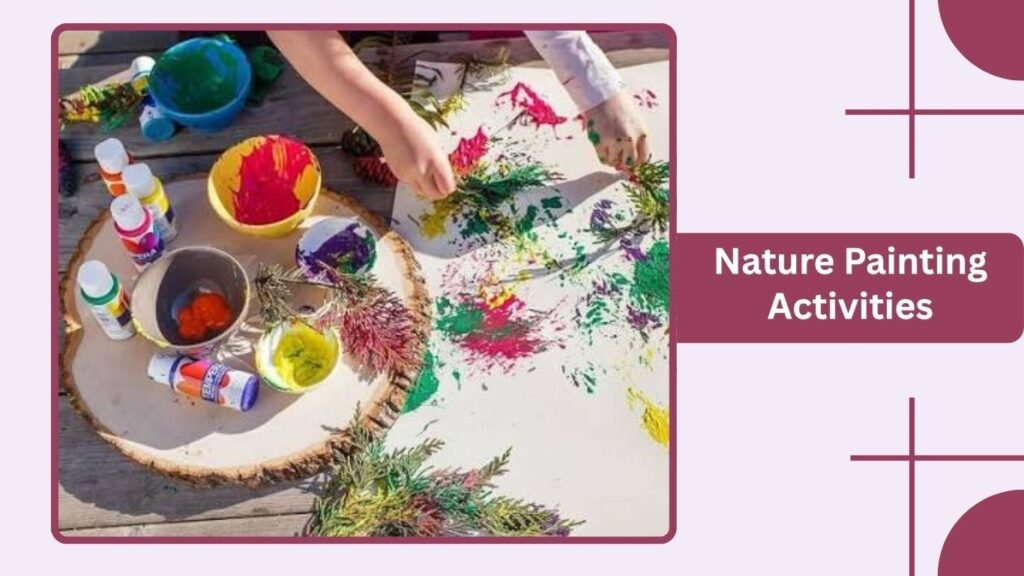
Nature painting activities are creative summer activities for kids that combine outdoor exploration, artistic expression, and hands-on learning. Children can use natural objects such as leaves, flowers, and smooth stones to create colorful artwork inspired by their surroundings. This activity encourages kids to observe different textures, shapes, and patterns while exploring their creativity. Whether organized in a backyard, garden, or shaded outdoor craft area, nature painting provides an affordable and engaging way to enjoy summer while developing artistic skills.
Materials Needed
- Washable, non-toxic paints and paintbrushes
- Drawing paper, cardboard, or watercolor paper
- Fallen leaves, flowers, and smooth stones
- Small paint palettes and water containers
- Protective table coverings, towels, and aprons
How to Organize Nature Painting Activities
Start by selecting a shaded outdoor workspace with a stable table or clean crafting surface. Invite children to explore a safe garden area and collect suitable natural materials such as fallen leaves, small twigs, and smooth stones. Arrange the materials alongside paints, brushes, and paper. Demonstrate simple techniques, such as coating a leaf with paint and pressing it onto paper to create a print. Encourage children to experiment with different shapes, colors, and textures. Allow them to create original artwork inspired by the natural objects they discover.
Creative Nature Painting Ideas
Make nature painting more exciting by introducing different artistic projects and imaginative challenges. Children can create colorful leaf prints, paint decorative stones, or use twigs as alternative painting tools. Consider organizing a nature-inspired art gallery where everyone displays their completed creations. Kids may also enjoy making flower-shaped prints, designing imaginary gardens, or creating seasonal greeting cards using painted natural patterns. Older children can experiment with combining multiple textures to create landscapes or abstract artwork. Encouraging different painting techniques keeps the activity engaging while allowing children to express their creativity.
16. Outdoor Ice Cream Party
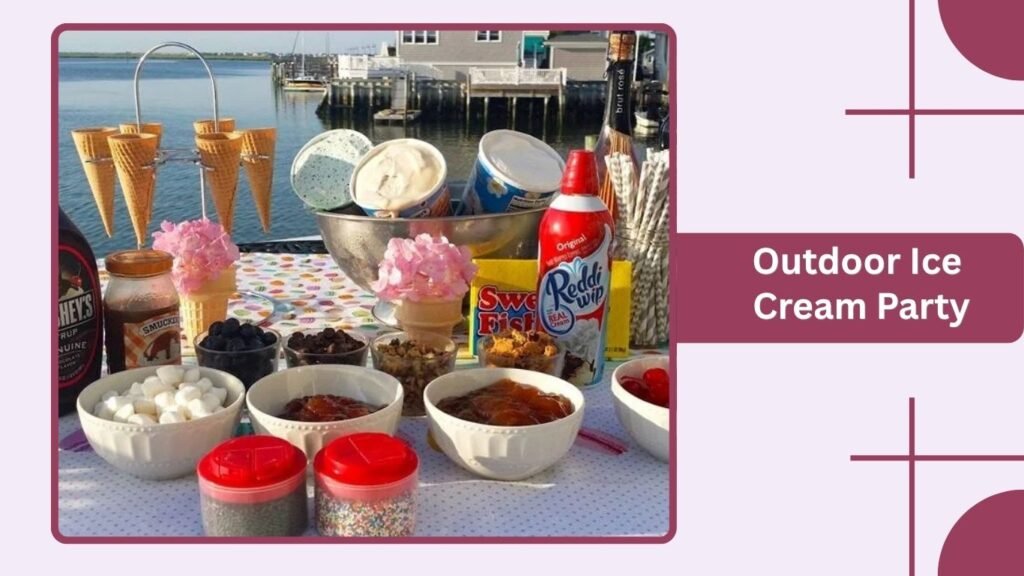
An outdoor ice cream party is a delightful summer activity for kids that combines delicious frozen treats, creative decorations, and fun backyard entertainment. Children can build their own ice cream creations, experiment with colorful toppings, and enjoy refreshing snacks while spending time outdoors. This activity is easy to organize using simple materials and affordable ingredients. Whether planned for a family afternoon, birthday celebration, or neighborhood gathering, an outdoor ice cream party creates memorable summer moments filled with laughter and creativity.
Materials Needed
- Ice cream or frozen yogurt in different flavors
- Waffle cones, paper cups, and disposable or reusable spoons
- Colorful toppings, fruit pieces, and chocolate syrup
- Small bowls and serving trays
- Picnic table, cooler, napkins, and decorative accessories
How to Organize an Outdoor Ice Cream Party
Start by choosing a shaded backyard area and arranging a comfortable serving table with colorful decorations. Place ice cream containers in an insulated cooler with sufficient ice or freezer packs to maintain a safe temperature. Organize toppings in small bowls and provide cones, cups, and spoons for each child. Allow kids to choose their favorite flavors and decorate their desserts with suitable toppings. Younger children may need assistance scooping ice cream and handling serving utensils. Encourage everyone to create personalized treats while enjoying the cheerful summer atmosphere.
Creative Outdoor Ice Cream Party Ideas
Make the ice cream party more exciting by introducing imaginative themes and decorating challenges. Children can create rainbow sundaes using colorful fruit toppings or design animal-inspired ice cream treats. Consider organizing a pretend ice cream shop where kids take turns serving family members and creating unique menu names. A tropical-themed party with bright decorations and fruit-flavored frozen desserts can add extra excitement. Older children may enjoy inventing their own topping combinations and presenting their creations. Combining dessert preparation with simple outdoor games helps keep the celebration entertaining.
17. DIY Bird Feeder Craft
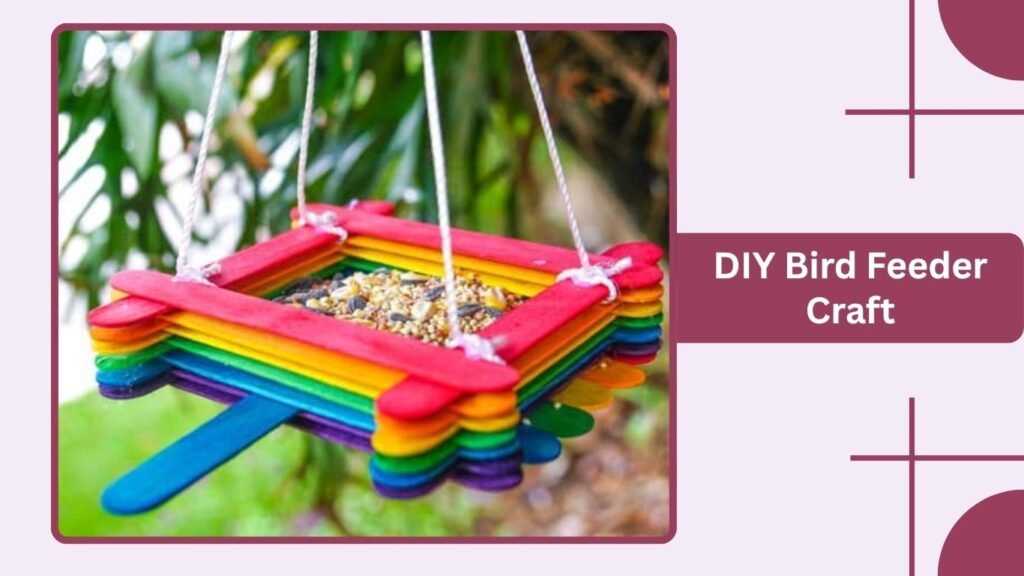
A DIY bird feeder craft is an engaging summer activity for kids that combines creativity, outdoor exploration, and wildlife appreciation. Children can transform simple household materials into decorative bird feeders while learning about local birds and their feeding habits. This hands-on project encourages environmental awareness, patience, and artistic expression. Whether completed in a backyard, garden, or shaded outdoor crafting area, making a bird feeder offers a meaningful opportunity to observe nature and create something useful with affordable materials.
Materials Needed
- Clean cardboard tubes or suitable wooden bird feeder kits
- Birdseed appropriate for local wild birds
- Plain, unsalted sunflower seed butter or another suitable binder
- Natural twine or sturdy hanging string
- Child-safe spreading tools and shallow trays
How to Make a DIY Bird Feeder
Begin by preparing a clean crafting area and gathering all materials. For a simple cardboard tube bird feeder, help children spread a thin layer of suitable seed butter over the outside of the tube. Pour birdseed into a shallow tray and gently roll the coated tube through the seeds until the surface is covered. Thread sturdy natural twine through the tube and secure it for hanging. Choose an appropriate outdoor location where birds can access the feeder safely. Encourage children to observe visiting birds from a distance without disturbing them.
Creative DIY Bird Feeder Ideas
Make the activity more exciting by introducing different feeder designs and birdwatching challenges. Children can create simple wooden platform feeders using prepared craft kits or decorate reusable feeder containers with non-toxic exterior-safe materials. Consider organizing a backyard bird identification activity where kids record the colors, sizes, and behaviors of visiting birds. Older children may enjoy comparing different birdseed mixtures to observe which species visit the feeder. Encourage children to maintain a simple birdwatching journal with drawings and observations. These activities combine creativity with practical learning about local wildlife.
18. Backyard Gardening for Kids
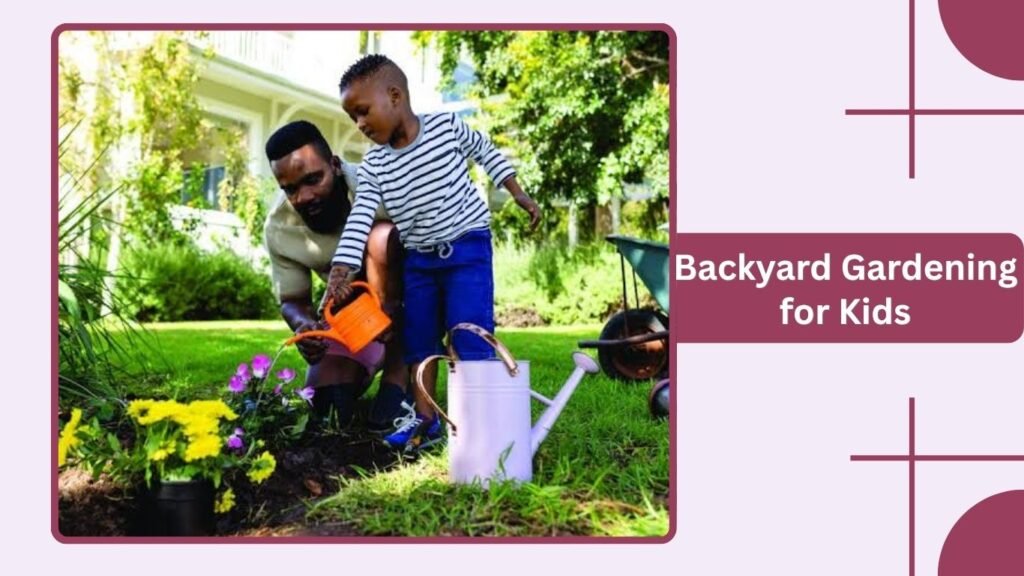
Backyard gardening for kids is a rewarding summer activity that combines outdoor exploration, practical learning, and hands-on creativity. Children can plant seeds, water flowers, and observe how plants grow while spending time in nature. This activity introduces basic gardening skills and encourages responsibility through regular plant care. Whether creating a small vegetable patch, colorful flower garden, or container garden, backyard gardening provides an educational and entertaining experience that helps children develop patience, curiosity, and appreciation for the natural environment.
Materials Needed
- Small plant pots, containers, or a prepared garden bed
- Quality potting mix or suitable garden soil
- Easy-to-grow seeds such as sunflowers, beans, or marigolds
- Child-sized watering cans and gardening tools
- Gardening gloves, plant labels, and colorful markers
How to Organize Backyard Gardening for Kids
Start by selecting a suitable backyard location with adequate sunlight and easy access to water. Prepare a small garden bed or provide individual containers filled with appropriate potting mix. Help children choose easy-to-grow plants based on the local climate and growing season. Demonstrate how to make shallow planting holes, place seeds at the recommended depth, and gently cover them with soil. Allow kids to water their plants using small watering cans. Encourage them to label each container and observe changes regularly as seedlings begin to emerge.
Creative Backyard Gardening Ideas
Make gardening more exciting by introducing colorful themes and imaginative planting projects. Children can create a rainbow flower garden featuring blooms in different colors or establish a miniature vegetable patch with easy-to-grow crops. Consider designing a butterfly-friendly garden using suitable flowering plants or creating a small herb garden for exploring different scents. Kids may also enjoy decorating plant pots, painting garden markers, or building miniature garden landscapes with safe decorative objects. Older children can maintain gardening journals to record watering schedules, plant heights, and growing progress throughout summer.
19. Outdoor Water Relay Race
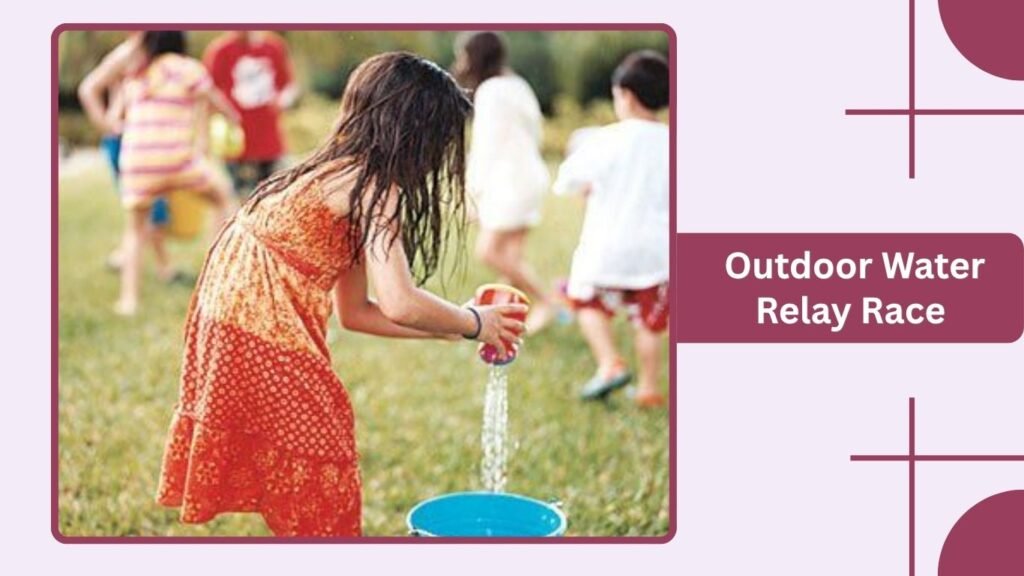
An outdoor water relay race is an exciting summer activity for kids that combines teamwork, physical movement, and refreshing water play. Children can compete in friendly challenges while transferring water between buckets using cups, sponges, or small containers. This simple backyard activity requires minimal preparation and affordable household materials. Whether organized for siblings, friends, or a summer party, water relay races encourage cooperation, coordination, and active play while helping children enjoy warm weather in a fun and memorable way.
Materials Needed
- Plastic buckets or large water containers
- Small plastic cups, soft sponges, and scooping tools
- Clean water for filling and transferring
- Plastic cones or markers for defining relay lanes
- Towels, sunscreen, and drinking water
How to Organize an Outdoor Water Relay Race
Start by choosing a spacious, level grassy area away from slippery surfaces and obstacles. Place a bucket filled with clean water at one end of each relay lane and an empty container at the opposite end. Divide children into small teams and give each participant a plastic cup or sponge. Explain how to carry water from the starting bucket to the empty container without spilling too much. Players take turns transferring water until a designated level is reached. Adjust the distance and challenge difficulty according to the children’s ages and abilities.
Creative Outdoor Water Relay Race Ideas
Make the relay race more entertaining by introducing different water-transfer challenges and creative competitions. Children can carry water using small cups, squeeze soaked sponges into containers, or balance partially filled cups while walking between stations. Consider organizing a teamwork challenge where participants pass water from one container to another without running. Younger children may enjoy shorter relay lanes with larger cups, while older kids can attempt more difficult balancing activities. Introduce colorful team markers and simple scoring rules to maintain excitement while encouraging cooperation and friendly competition.
20. Summer Bike Riding Adventure
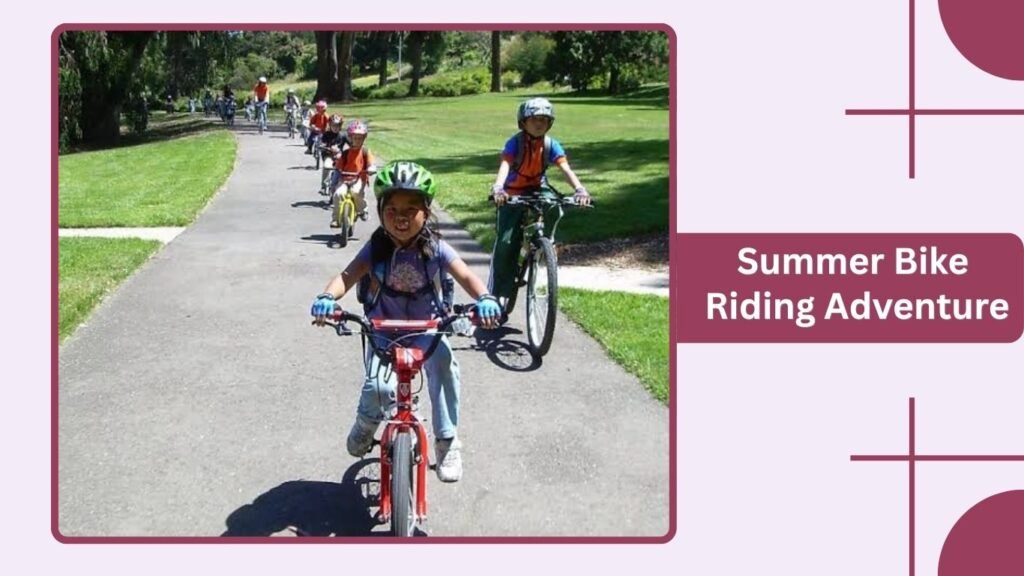
A summer bike riding adventure is a fun outdoor activity for kids that combines physical exercise, exploration, and family bonding. Children can enjoy riding bicycles through safe neighborhood paths, local parks, or designated cycling trails while discovering their surroundings. This activity encourages independence, coordination, and confidence while introducing important cycling safety habits. Whether organizing a short family ride or an exciting bicycle exploration challenge, summer cycling provides an enjoyable way to stay active and experience outdoor adventures.
Materials Needed
- Properly sized bicycles suitable for each child’s ability
- Certified, correctly fitted bicycle helmets
- Comfortable clothing and closed-toe shoes
- Reusable water bottles and sunscreen
- A planned cycling route with safe paths and rest areas
How to Organize a Summer Bike Riding Adventure
Begin by selecting a safe cycling location based on the children’s ages and riding experience. Inspect each bicycle to ensure the brakes, tires, handlebars, and chains are functioning properly. Help children put on correctly fitted helmets and explain basic cycling safety rules before starting. Choose a short, manageable route through a park, designated bike path, or another low-traffic area. Encourage children to ride at a comfortable pace while maintaining safe distances from one another. Include scheduled breaks for drinking water, resting, and enjoying the surrounding scenery.
Creative Summer Bike Riding Ideas
Make cycling adventures more exciting by introducing imaginative themes and simple exploration challenges. Organize a family bicycle tour where children visit several safe locations, such as a park, garden, or designated picnic area. Create a bicycle scavenger hunt where participants identify colorful flowers, interesting trees, or familiar landmarks along the route without stopping in unsafe places. Younger children can enjoy short rides around a protected cycling area, while older kids may appreciate slightly longer routes suited to their experience. Consider keeping a summer cycling journal to record favorite destinations and memorable adventures.
21. DIY Outdoor Bowling
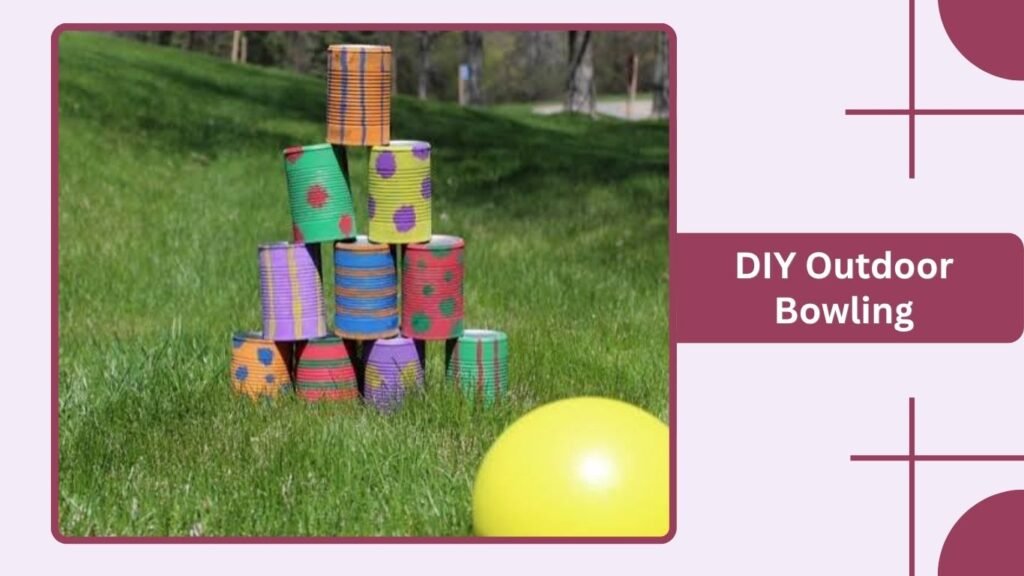
DIY outdoor bowling is an entertaining summer activity for kids that combines physical movement, hand-eye coordination, and friendly competition. Children can create their own backyard bowling alley using simple household materials such as empty plastic bottles and soft balls. This affordable activity requires minimal preparation and can be enjoyed by children of different ages. Whether organized for a family gathering, summer party, or casual afternoon, outdoor bowling provides an exciting way to stay active while developing concentration and teamwork.
Materials Needed
- Six to ten empty plastic bottles or lightweight bowling pins
- Soft foam balls or lightweight rubber balls
- Painter’s tape, chalk, or small cones for marking lanes
- Paper and pencils for recording scores
- Colorful stickers or washable paints for decorating bowling pins
How to Set Up DIY Outdoor Bowling
Start by choosing a flat backyard area with a smooth surface and enough room for children to roll a ball safely. Arrange six to ten empty plastic bottles in a triangular formation to create bowling pins. Mark a starting line using sidewalk chalk or lightweight markers, adjusting the distance based on the children’s ages. Give each participant a soft ball and explain how to roll it toward the pins. Allow children to take turns knocking down bottles and counting their scores. Reset the pins after each round and encourage everyone to improve their accuracy.
Creative DIY Outdoor Bowling Ideas
Make outdoor bowling more exciting by introducing colorful themes and creative challenges. Children can decorate plastic bottles with animal faces, numbers, or favorite cartoon characters. Organize a rainbow bowling game where players aim for specific colored pins or create a number challenge involving simple addition. Older kids may enjoy bowling from different distances or attempting to knock down particular arrangements of pins. Consider organizing a family bowling tournament with homemade participation certificates. Changing the rules and pin arrangements keeps the activity interesting throughout the summer.
Benefits and Safety Tips
DIY outdoor bowling helps children develop hand-eye coordination, balance, concentration, and gross motor skills. Counting fallen pins also supports early mathematical learning, while taking turns encourages patience and positive sportsmanship. Use lightweight bottles and soft balls to reduce the risk of injuries. Keep the bowling lane away from windows, roads, and fragile outdoor decorations. Ensure the playing surface is level and free from obstacles. Provide sunscreen, drinking water, and shaded rest breaks during hot weather. With simple preparation, outdoor bowling offers an affordable, active, and enjoyable summer activity.
22. Beach Sandcastle Building
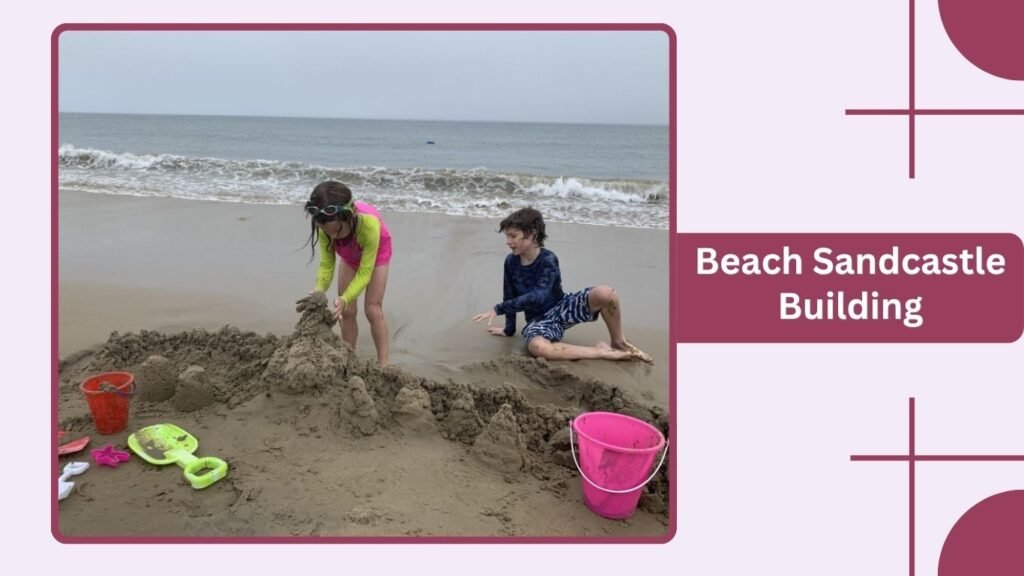
Beach sandcastle building is a creative summer activity for kids that combines outdoor exploration, imaginative play, and hands-on construction. Children can use sand, water, and simple beach tools to design beautiful castles, towers, bridges, and miniature villages. This classic summer activity encourages creativity, teamwork, and problem-solving while allowing kids to enjoy the natural beach environment. Whether building a small sandcastle or designing an elaborate sandy kingdom, beach sandcastle building provides memorable entertainment for children of different ages.
Materials Needed
- Plastic beach buckets and child-safe shovels
- Sandcastle molds and small scooping tools
- Clean water for moistening sand
- Large plastic cups and simple shaping tools
- Sunscreen, sun hats, towels, and drinking water
How to Organize Beach Sandcastle Building
Begin by selecting a safe beach area away from strong waves, steep sandbanks, and crowded pathways. Choose slightly damp sand that holds its shape when packed together. Show children how to fill buckets with sand, press it firmly, and carefully turn the buckets upside down to create castle towers. Encourage them to connect different structures using walls, bridges, and decorative pathways. Younger kids can focus on simple towers and shapes, while older children may enjoy designing larger castles with multiple sections. Allow everyone to experiment with different construction techniques and creative ideas.
Creative Beach Sandcastle Ideas
Make sandcastle building more exciting by introducing imaginative themes and friendly construction challenges. Children can create a royal palace with tall towers, a miniature seaside village, or an imaginary pirate fortress. Consider organizing a family sandcastle competition where participants design their own unique creations. Kids may also enjoy adding decorative patterns using child-safe tools or creating roads and pathways around their structures. Older children can experiment with different sand-to-water ratios to discover which mixtures produce stronger shapes. Working together on one large sandcastle encourages teamwork and makes the experience even more memorable.
23. Outdoor Storytelling Time
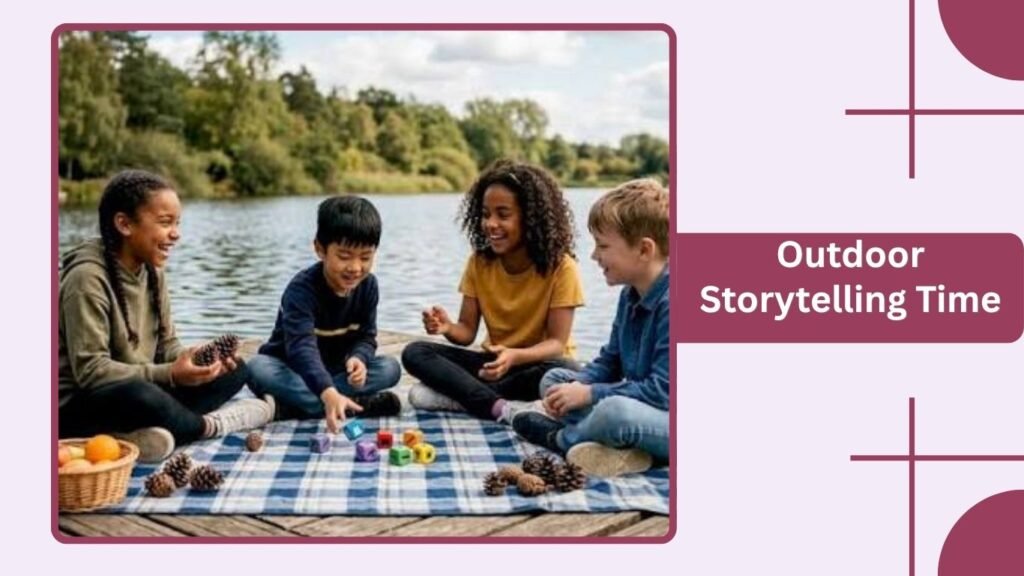
Outdoor storytelling time is a relaxing summer activity for kids that combines imagination, creativity, and family bonding in a natural setting. Children can gather beneath a shady tree, on a comfortable patio, or in a backyard garden to enjoy fascinating stories and imaginative adventures. This simple activity requires minimal preparation and encourages listening, communication, and creative thinking. Whether reading favorite books or inventing original tales, outdoor storytelling provides an enjoyable way to spend peaceful summer afternoons.
Materials Needed
- Age-appropriate storybooks and picture books
- Comfortable outdoor blankets and cushions
- Stuffed animals or simple storytelling puppets
- Paper, crayons, and colored pencils
- Drinking water, sunscreen, and a shaded seating area
How to Organize Outdoor Storytelling Time
Start by choosing a quiet, shaded outdoor location where children can sit comfortably without distractions. Spread a large blanket on the grass or arrange cushions beneath a covered patio. Allow children to select their favorite books or choose a summer-inspired story featuring animals, adventures, or nature. Read aloud using expressive voices and encourage kids to participate by answering questions or predicting what happens next. For older children, introduce collaborative storytelling where each participant contributes a few sentences. Keep sessions flexible and adjust their length according to the children’s ages and attention spans.
Creative Outdoor Storytelling Ideas
Make storytelling more exciting by introducing imaginative themes and interactive activities. Children can create adventures about magical forests, ocean explorers, friendly animals, or mysterious islands. Organize a storytelling circle where each child adds a new character or surprising event to a shared story. Consider using stuffed animals or handmade puppets to act out favorite scenes. Older children may enjoy writing short stories inspired by surrounding trees, flowers, and wildlife. Encourage kids to draw pictures of their favorite characters afterward. Changing story themes throughout summer helps maintain excitement and encourages creative expression.
24. Backyard Science Experiments
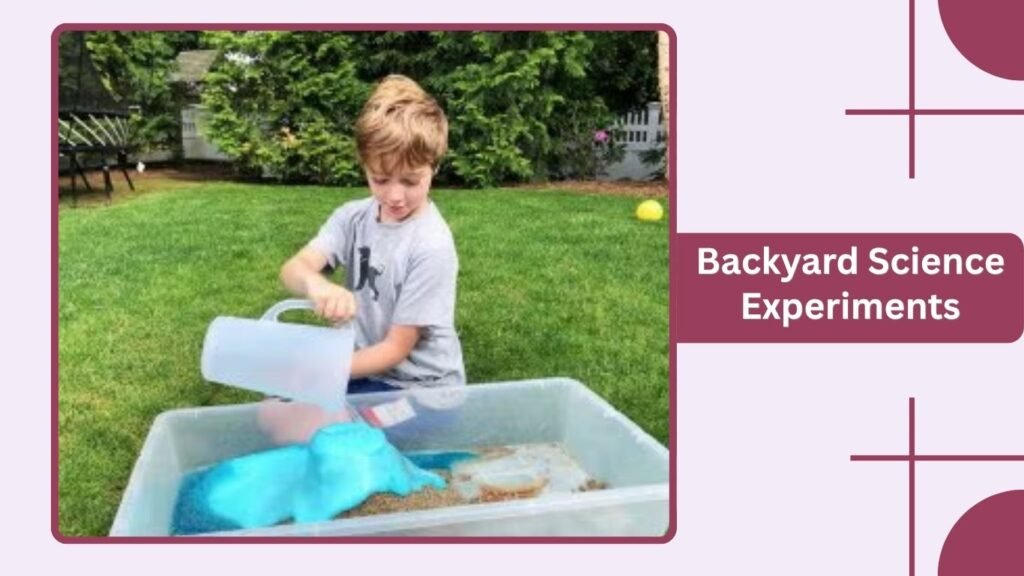
Backyard science experiments are exciting summer activities for kids that combine hands-on discovery, outdoor exploration, and educational entertainment. Children can investigate simple scientific concepts using everyday household materials while enjoying fresh air and sunshine. From colorful chemical reactions to water experiments and shadow observations, backyard science offers numerous opportunities for creative learning. These activities encourage curiosity, observation, and problem-solving while transforming an ordinary outdoor space into an interactive science laboratory with minimal preparation.
Materials Needed
- Baking soda, vinegar, and food coloring
- Clear plastic cups, bowls, and measuring spoons
- Water, vegetable oil, and empty plastic containers
- Paper towels, lightweight objects, and magnifying glasses
- Protective activity trays, paper, and pencils
How to Organize Backyard Science Experiments
Begin by selecting a shaded outdoor workspace with a stable table and easy access to water. Gather the necessary materials and explain the experiment before starting. For a simple bubbling reaction, place a small amount of baking soda in a plastic cup and add a few drops of food coloring. Slowly pour vinegar into the mixture and encourage children to observe the bubbles forming. Explain that the reaction produces carbon dioxide gas. Invite kids to predict the results before repeating the experiment with different quantities. Encourage them to record observations through drawings or simple written notes.
Creative Backyard Science Experiment Ideas
Make backyard science more exciting by introducing experiments that explore different scientific principles. Children can investigate which objects float or sink in water, create colorful walking-water experiments using paper towels, or observe how shadows change throughout the day. A simple homemade rain gauge can help kids learn about measuring rainfall during summer showers. Older children may enjoy comparing evaporation rates by placing equal amounts of water in different outdoor locations. Encourage participants to ask questions, make predictions, and compare results. Introducing different experiments throughout summer keeps learning entertaining and encourages scientific curiosity.
25. Summer Rock Painting
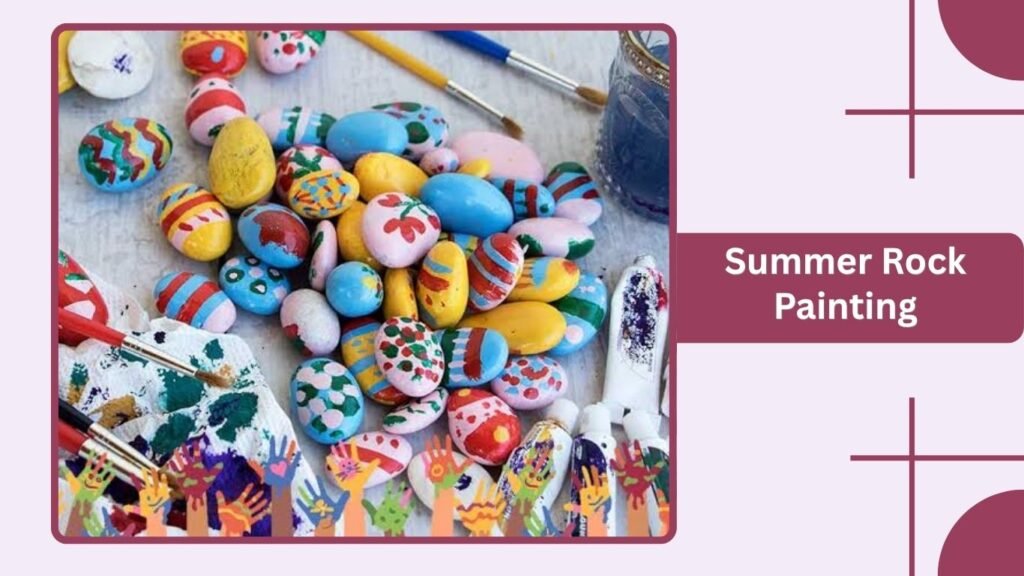
Summer rock painting is a creative outdoor activity for kids that combines artistic expression, nature exploration, and hands-on learning. Children can transform ordinary stones into colorful animals, cheerful characters, and decorative garden ornaments using simple painting supplies. This affordable activity encourages imagination while allowing kids to explore different colors, patterns, and designs. Whether organized in a backyard, garden, or shaded patio, summer rock painting provides an enjoyable way to develop artistic skills and create personalized outdoor decorations.
Materials Needed
- Smooth, clean rocks in different sizes
- Washable, non-toxic acrylic-style craft paints suitable for children
- Paintbrushes, sponge brushes, and painting palettes
- Colorful markers and decorative stencils
- Protective table coverings, water containers, and paper towels
How to Organize Summer Rock Painting
Start by selecting a shaded outdoor workspace with a stable table and enough space for children to paint comfortably. Gather smooth rocks from a safe location or use prepared craft stones. Wash the rocks thoroughly and allow them to dry before painting. Arrange the paints, brushes, and decorative materials within easy reach. Encourage children to choose simple designs such as flowers, butterflies, ladybugs, or colorful patterns. Younger kids can experiment with dots and basic shapes, while older children may enjoy creating detailed pictures. Allow the finished rocks to dry completely before handling or displaying them.
Creative Summer Rock Painting Ideas
Make rock painting more exciting by introducing imaginative themes and artistic challenges. Children can create colorful garden markers, animal-inspired stones, or miniature rock characters for pretend play. Consider organizing a family rock painting competition where everyone designs a unique summer-themed decoration. Kids may also enjoy creating a collection of painted fruit shapes, rainbow patterns, or inspirational messages. Older children can experiment with layered colors, detailed designs, and decorative lettering. Displaying completed rocks in garden planters or designated outdoor areas helps celebrate creativity while adding personality to the backyard.
26. Outdoor Dance Party
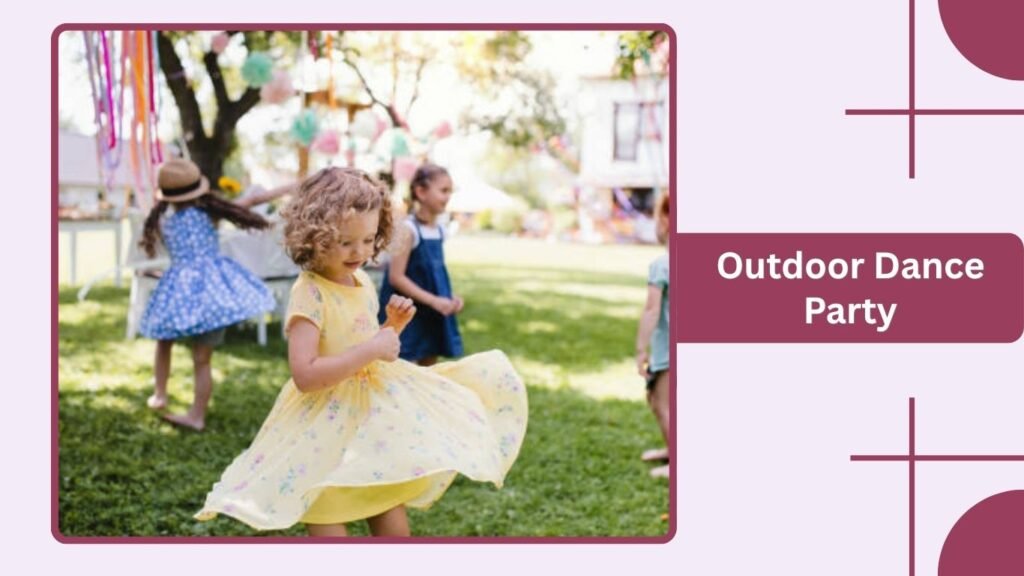
An outdoor dance party is an energetic summer activity for kids that combines music, movement, and creative expression in a fun backyard setting. Children can dance to their favorite songs, learn exciting routines, and participate in interactive musical games while enjoying fresh air. This activity requires minimal preparation and can be organized for family gatherings, birthday celebrations, or casual summer afternoons. An outdoor dance party encourages physical activity, confidence, and social interaction while creating joyful memories with friends and family.
Materials Needed
- Portable Bluetooth speaker or suitable music player
- Playlist featuring age-appropriate songs
- Colorful ribbons, scarves, or lightweight dance accessories
- Outdoor decorations and battery-operated LED lights
- Drinking water, comfortable clothing, and supportive footwear
How to Organize an Outdoor Dance Party
Begin by choosing a spacious, level backyard area with enough room for children to move safely. Remove unnecessary obstacles and arrange a simple dance floor on a suitable grassy or non-slip surface. Prepare a playlist of cheerful, age-appropriate music and position the speaker away from water sources. Add colorful decorations to create a festive atmosphere. Encourage children to warm up with gentle movements before starting the music. Allow everyone to dance freely or follow simple routines, and introduce short breaks between songs to prevent exhaustion during warm weather.
Creative Outdoor Dance Party Ideas
Make the dance party more entertaining by introducing themed music sessions and interactive challenges. Organize a freeze dance game where children stop moving whenever the music pauses. Create a follow-the-leader activity where participants copy different dance movements. Kids can also invent original routines, perform imaginary concerts, or participate in a friendly dance showcase. Consider introducing tropical, superhero, or animal-inspired dance themes to encourage imaginative play. Older children may enjoy choreographing group performances, while younger participants can practice simple movements. Changing games and music styles keeps the party exciting throughout the afternoon.
27. DIY Paper Boat Racing
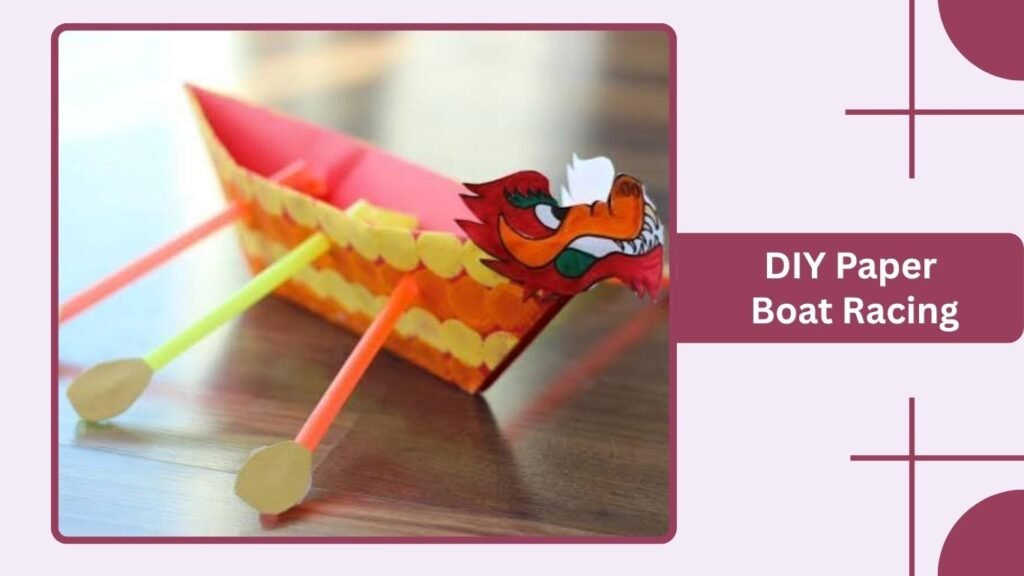
DIY paper boat racing is a fun summer activity for kids that combines creativity, simple engineering, and exciting water play. Children can fold colorful paper boats, decorate their designs, and race them across shallow water using gentle air movement. This affordable activity requires only a few household supplies and minimal preparation. Whether organized in a backyard, garden, or shaded patio, paper boat racing encourages imagination, problem-solving, and friendly competition while providing an entertaining way to enjoy summer afternoons.
Materials Needed
- Colorful paper or lightweight waterproof craft paper
- Shallow plastic trays or wide water containers
- Clean water for floating paper boats
- Washable markers, crayons, and decorative stickers
- Drinking straws or handheld fans for creating gentle airflow
How to Organize DIY Paper Boat Racing
Start by preparing a shaded outdoor workspace with enough room for children to create their paper boats. Provide colorful paper and demonstrate simple folding techniques to make basic origami boats. Allow kids to decorate their creations with markers or lightweight stickers. Fill a shallow plastic tray with clean water and place it on a stable surface. Mark a starting point and finish line along the container. Encourage children to move their boats using gentle air from handheld fans. Allow participants to take turns racing while observing how their boats float and move through the water.
Creative Paper Boat Racing Ideas
Make paper boat racing more exciting by introducing imaginative themes and different challenges. Children can decorate their boats as pirate ships, colorful sailboats, or miniature rescue vessels. Organize a family boat racing tournament where participants test different paper designs to see which floats longest or travels fastest. Older children may enjoy experimenting with boat shapes, paper thickness, and small paper sails. Consider creating a miniature harbor using waterproof toys and decorative floating markers. Encourage kids to predict which designs will perform better and compare their results after each race.
28. Backyard Bug Exploration
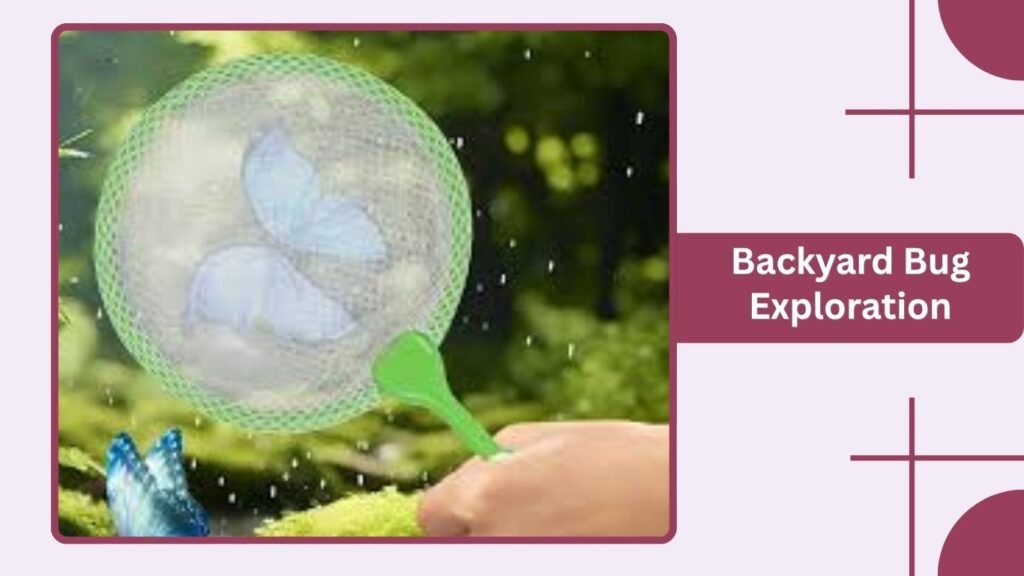
Backyard bug exploration is an exciting summer activity for kids that combines outdoor adventure, nature observation, and hands-on learning. Children can discover fascinating insects, observe their movements, and learn about the important roles small creatures play in the environment. From watching ants carry food to observing butterflies visiting flowers, this activity encourages curiosity about the natural world. With simple equipment and careful supervision, backyard bug exploration provides an educational and entertaining summer experience that inspires appreciation for wildlife.
Materials Needed
- Child-friendly magnifying glasses
- Insect identification books or printed picture guides
- Notebook, pencils, and colored markers
- Camera or smartphone for photographing insects
- Comfortable outdoor clothing, sunscreen, and drinking water
How to Organize Backyard Bug Exploration
Begin by selecting a safe backyard or garden area where insects are commonly found. Look around flowering plants, grassy areas, tree trunks, and garden beds for signs of insect activity. Give children magnifying glasses and encourage them to observe bugs from a comfortable distance. Explain how to identify basic insect features, including antennae, wings, legs, and body segments. Invite kids to record their discoveries through drawings or simple notes. Encourage careful observation without touching or disturbing the insects. Younger children can focus on identifying colors and shapes, while older kids may enjoy comparing different insect species.
Creative Backyard Bug Exploration Ideas
Make bug exploration more exciting by introducing nature-inspired challenges and observation games. Children can organize a backyard insect checklist featuring butterflies, ants, beetles, grasshoppers, and other harmless insects commonly found nearby. Consider creating a bug photography challenge where participants capture pictures of different insects without disturbing them. Older children may enjoy maintaining an insect observation journal with drawings, descriptions, and interesting facts. Kids can also investigate which flowers attract butterflies or observe how ants move along established trails. Changing observation locations throughout summer encourages new discoveries and helps children appreciate biodiversity.
29. Summer Kite Flying
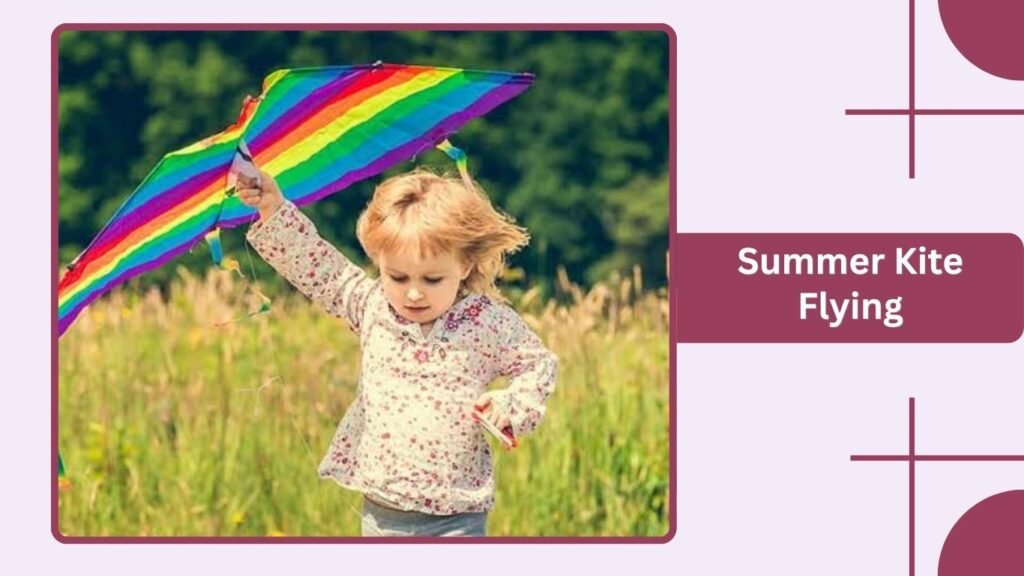
Summer kite flying is an exciting outdoor activity for kids that combines fresh air, physical movement, and colorful entertainment. Children can enjoy watching bright kites soar through the sky while learning how wind affects movement and direction. This classic summer activity encourages patience, coordination, and outdoor exploration. Whether organized at a local park, spacious backyard, or open field, kite flying provides an affordable and memorable experience that brings families together while making beautiful summer days more enjoyable.
Materials Needed
- Lightweight, age-appropriate kites
- Durable kite strings with comfortable handles
- Colorful ribbons or lightweight kite tails
- A spacious open field or designated kite-flying area
- Sunscreen, sun hats, and drinking water
How to Organize Summer Kite Flying
Start by choosing a spacious outdoor location away from electrical wires, roads, buildings, and tall trees. Check the weather conditions and select a day with a steady, gentle breeze. Help children assemble their kites according to the manufacturer’s instructions and attach the flying strings securely. Demonstrate how to hold the kite against the wind and release it gently while maintaining tension on the string. Younger children may need assistance launching their kites, while older kids can practice controlling direction and height. Encourage everyone to take turns and enjoy the experience without rushing.
Creative Summer Kite Flying Ideas
Make kite flying more exciting by introducing colorful themes and imaginative challenges. Children can decorate plain kites with lightweight designs, colorful patterns, or personalized names before launching them. Organize a family kite-flying festival where everyone brings a different kite design. Kids may enjoy observing which kite shapes remain stable in the air or comparing how tail lengths influence flight. Consider introducing a simple challenge to keep a kite flying steadily for a certain period. Older children can record wind conditions and compare their observations during different flying sessions.
30. Outdoor Photography Challenge
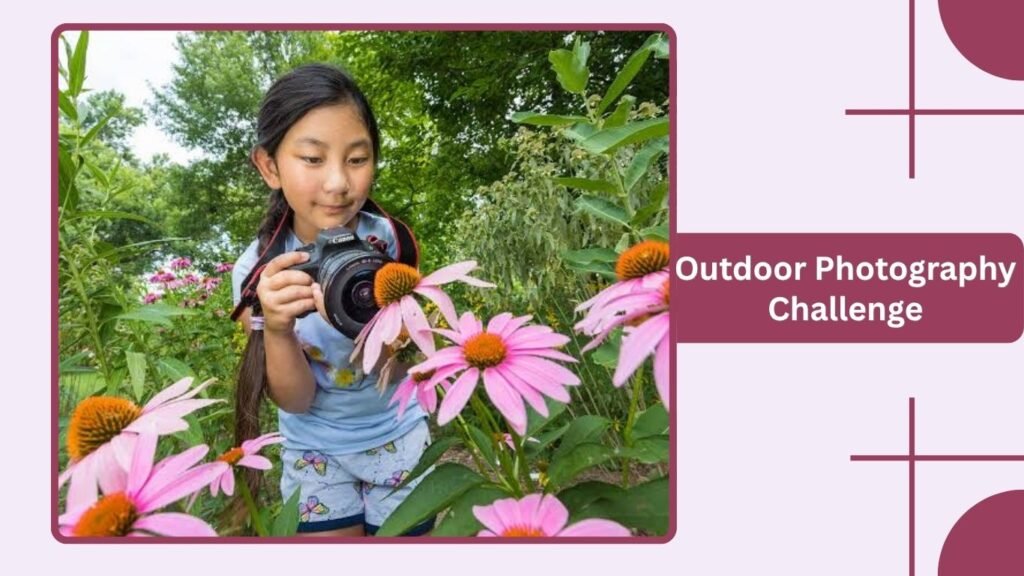
An outdoor photography challenge is a creative summer activity for kids that combines nature exploration, observation, and artistic expression. Children can use a simple camera or supervised smartphone to capture interesting outdoor scenes, colorful flowers, wildlife, and everyday summer moments. This activity encourages kids to notice details in their surroundings while learning basic photography skills. Whether organized in a backyard, garden, or local park, an outdoor photography challenge provides an entertaining and educational way to explore creativity during summer.
Materials Needed
- Child-friendly digital camera or supervised smartphone
- Printed photography checklist or challenge cards
- Notebook and pencils for recording observations
- Comfortable outdoor clothing and walking shoes
- Sunscreen, sun hats, and drinking water
How to Organize an Outdoor Photography Challenge
Begin by selecting a safe outdoor location with interesting natural features and enough space for exploration. Prepare a photography checklist featuring subjects such as colorful flowers, interesting leaves, shadows, insects, and different textures. Give children a camera or supervised smartphone and explain simple photography techniques, including holding the device steadily and choosing suitable angles. Encourage participants to explore the designated area and photograph objects from their checklist. Allow them to experiment with close-up pictures, wide views, and creative compositions. After completing the challenge, review the photographs together and discuss their favorite discoveries.
Creative Outdoor Photography Ideas
Make the photography challenge more exciting by introducing different themes and imaginative assignments. Children can organize a rainbow photography hunt by finding objects representing different colors. A nature photography challenge might involve capturing flowers, tree bark, butterflies, and interesting cloud formations. Older kids may enjoy experimenting with shadows, reflections, and unusual camera angles. Consider organizing a family photography exhibition where everyone selects their favorite pictures to display. Children can also create digital photo stories documenting a backyard adventure or summer picnic. Changing themes throughout the season encourages creativity and continued outdoor exploration.
31. DIY Nature Collage
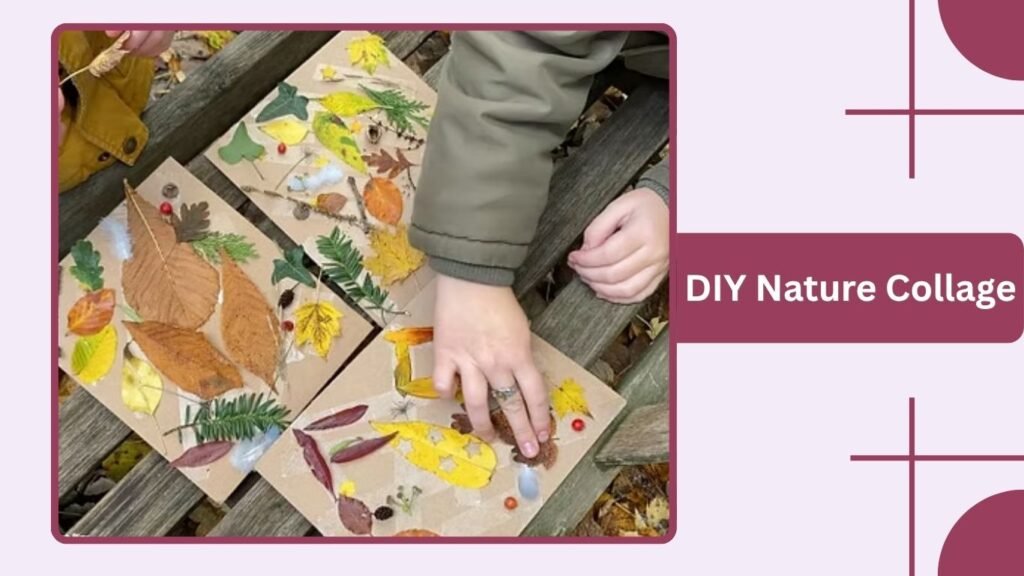
A DIY nature collage is a creative summer activity for kids that combines outdoor exploration, artistic expression, and hands-on learning. Children can collect fallen leaves, flowers, twigs, and other natural materials to create colorful artwork inspired by their surroundings. This affordable activity encourages imagination, observation, and appreciation for nature while requiring minimal preparation. Whether organized in a backyard, garden, or shaded patio, nature collages provide an enjoyable way to explore creativity and discover natural textures.
Materials Needed
- Large sheets of paper, cardboard, or construction paper
- Fallen leaves, flowers, twigs, and small pieces of bark
- Non-toxic glue and child-safe scissors
- Colored pencils, crayons, and washable markers
- Small collection baskets and protective table coverings
How to Organize a DIY Nature Collage
Start by selecting a safe outdoor location where children can explore and collect suitable natural materials. Encourage them to gather fallen leaves, flowers, and other interesting objects without damaging living plants. Prepare a shaded crafting area with paper, glue, and coloring supplies. Allow children to arrange their collected materials into creative patterns before attaching them to the paper. Younger kids can create simple pictures using colorful leaves, while older children may enjoy designing detailed landscapes or animal shapes. Encourage experimentation with different textures, colors, and arrangements.
Creative DIY Nature Collage Ideas
Make nature collage activities more exciting by introducing imaginative themes and creative challenges. Children can design butterfly pictures using colorful leaves, create miniature forest landscapes, or arrange natural materials into rainbow patterns. Consider organizing a family collage challenge where everyone creates artwork inspired by a different summer scene. Older kids may enjoy designing nature-inspired letters, animal silhouettes, or decorative greeting cards. Encourage children to combine natural objects with drawings to create unique compositions. Displaying completed collages around the home helps celebrate creativity while preserving memories of summer adventures.
32. Backyard Outdoor Movie Night

A backyard outdoor movie night is an entertaining summer activity for kids that transforms an ordinary outdoor space into a cozy open-air cinema. Children can enjoy their favorite movies beneath the stars while relaxing with family and friends. This activity combines comfortable seating, simple decorations, and delicious snacks to create a memorable evening experience. Whether organized for a family weekend, summer party, or special celebration, an outdoor movie night provides an exciting way to enjoy warm summer evenings together.
Materials Needed
- Portable projector and suitable outdoor projection screen
- Laptop or compatible media streaming device
- Outdoor blankets, cushions, and comfortable chairs
- Popcorn, healthy snacks, and drinking water
- Battery-operated lanterns and outdoor-rated string lights
How to Organize a Backyard Outdoor Movie Night
Begin by choosing a spacious backyard area with a flat surface and minimal surrounding light. Set up a portable projector and screen according to the manufacturer’s instructions, ensuring electrical equipment is positioned safely. Arrange blankets, cushions, and chairs at comfortable viewing distances. Prepare age-appropriate movies and test the sound system before the event begins. Create a small snack station with popcorn, fruit, and refreshing drinks. Start the movie after sunset when the screen becomes easier to see. Encourage children to settle into their seats and enjoy the outdoor cinema experience.
Creative Backyard Outdoor Movie Night Ideas
Make the movie night more exciting by introducing imaginative themes and decorative elements. Children can create homemade movie tickets, design colorful cinema signs, or help organize a pretend concession stand. Consider hosting a pajama movie night with cozy blankets and favorite stuffed animals. A superhero-themed evening can feature matching decorations and an age-appropriate adventure movie. Kids may also enjoy voting on the movie beforehand or creating personalized snack boxes. Organizing a short movie trivia game before the screening adds entertainment and encourages family participation.
33. Summer Pool Games
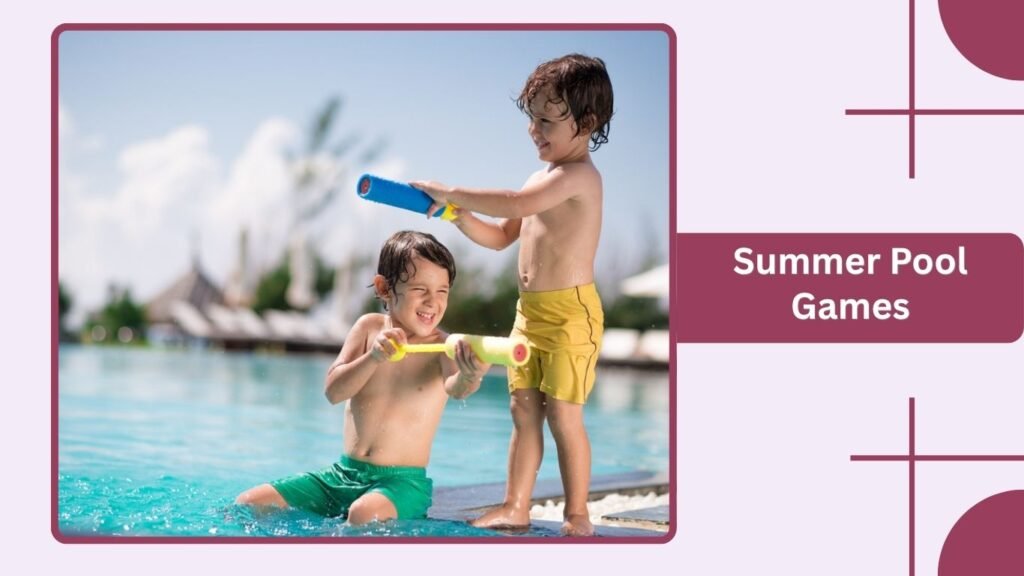
Summer pool games are exciting outdoor activities for kids that combine refreshing water play, physical movement, and friendly competition. Children can enjoy swimming challenges, floating games, and interactive activities while staying cool during warm summer days. Whether organized in a backyard swimming pool or a supervised community pool, these games encourage coordination, teamwork, and confidence in the water. With simple equipment and careful planning, summer pool games provide entertaining experiences for children of different ages and swimming abilities.
Materials Needed
- Soft floating balls and pool-safe toys
- Foam pool noodles and floating rings
- Lightweight plastic containers and floating targets
- Comfortable swimwear and properly fitted swimming goggles
- Towels, sunscreen, and drinking water
How to Organize Summer Pool Games
Start by choosing a swimming pool with appropriate water depths and a designated area suitable for the children’s swimming abilities. Gather lightweight floating toys and explain the rules before beginning each game. Introduce simple activities such as floating ball tosses, supervised swimming challenges, or collecting floating objects. Younger children can participate in gentle water games within arm’s reach of an adult, while confident swimmers may enjoy slightly more challenging activities. Organize short rounds and encourage participants to take breaks between games. Keep the atmosphere relaxed and focus on safe participation rather than competition.
Creative Summer Pool Game Ideas
Make pool time more exciting by introducing imaginative themes and interactive water challenges. Children can participate in a floating treasure hunt by collecting colorful toys from the water’s surface. Organize a gentle ball-passing game where participants work together to keep a floating ball moving between teammates. Older children who are competent swimmers may enjoy supervised swimming relays or floating target challenges. Consider creating a pretend ocean adventure featuring floating sea creature toys and imaginative storytelling. Changing activities throughout the swimming session keeps children entertained while encouraging cooperative play.
34. DIY Frozen Toy Rescue
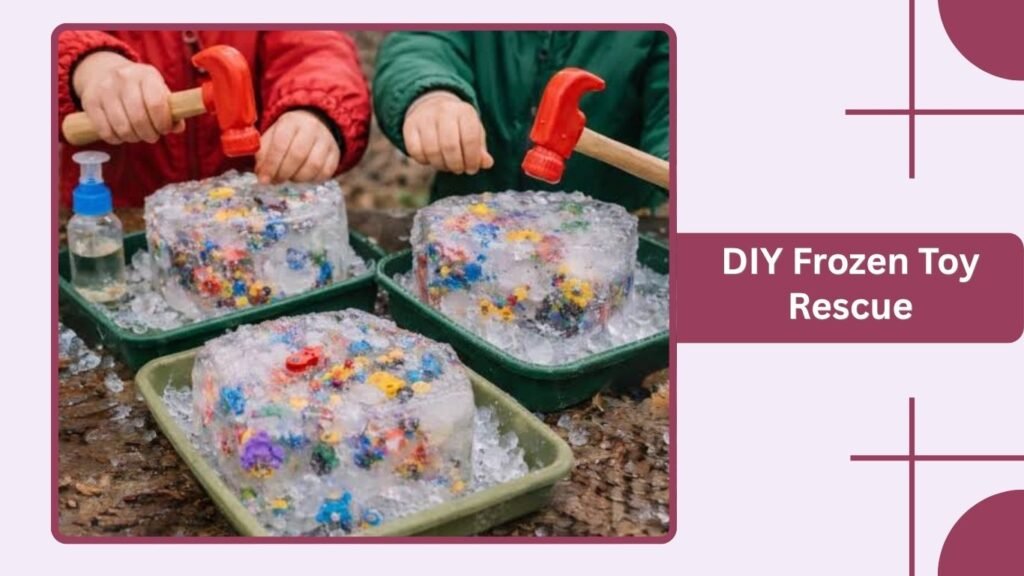
DIY frozen toy rescue is a creative summer activity for kids that combines sensory exploration, imaginative play, and simple science experiments. Children can rescue small toys trapped inside blocks of ice using warm water and safe tools while discovering how melting works. This refreshing activity is especially enjoyable during hot summer afternoons and requires only a few inexpensive household materials. Whether organized in a backyard or shaded patio, frozen toy rescue encourages curiosity, patience, and hands-on problem-solving through playful learning.
Materials Needed
- Large freezer-safe plastic containers or silicone molds
- Clean water for freezing
- Large waterproof plastic animal figures or other age-appropriate toys
- Plastic spoons, droppers, and small pouring cups
- Shallow activity trays and towels
How to Organize DIY Frozen Toy Rescue
Begin by placing a few large, waterproof toys inside a freezer-safe container and filling it with water. Leave enough space for the water to expand as it freezes. Place the container in the freezer until the water becomes completely solid. Once frozen, remove the ice block and transfer it to a shallow tray in a shaded outdoor area. Provide children with small cups of lukewarm water, droppers, and plastic spoons. Encourage them to slowly pour water over the ice and observe the toys becoming visible. Allow kids to experiment with different melting techniques until they successfully rescue their frozen treasures.
Creative DIY Frozen Toy Rescue Ideas
Make frozen toy rescue more exciting by introducing imaginative themes and discovery challenges. Children can rescue frozen dinosaurs, ocean animals, or superhero figures while pretending to complete important missions. Create a prehistoric excavation theme by freezing large toy dinosaurs inside individual ice blocks. Older children may enjoy comparing how ice melts in sunlight, shade, and lukewarm water. Consider adding a few drops of food coloring to create colorful frozen landscapes. Kids can also record how long different ice blocks take to melt, introducing simple scientific observation and measurement skills.
35. Summer Stargazing Adventure
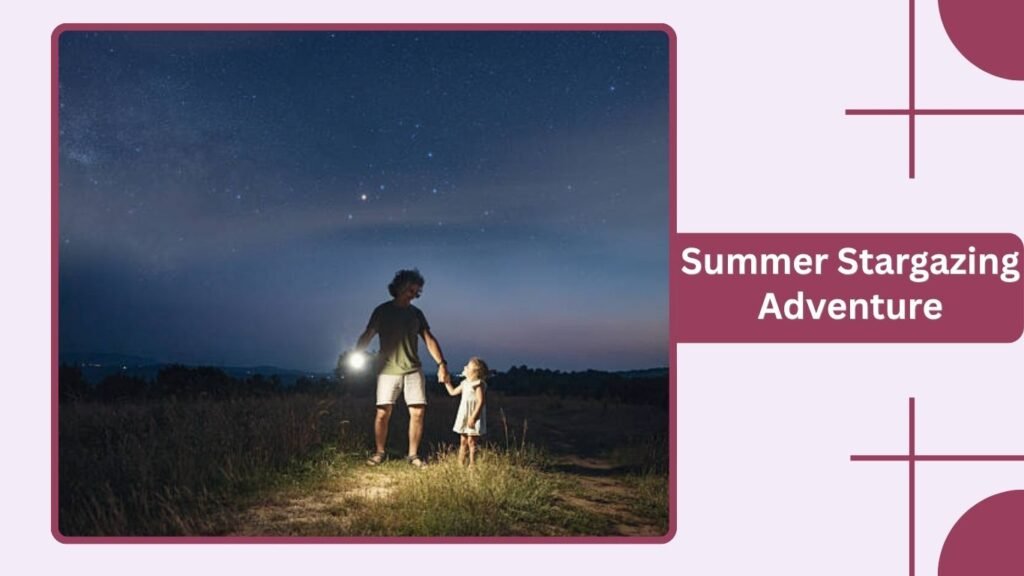
A summer stargazing adventure is a fascinating outdoor activity for kids that combines nighttime exploration, scientific curiosity, and family bonding. Children can observe stars, identify constellations, and discover interesting features of the night sky while enjoying a peaceful summer evening. This activity requires minimal equipment and provides opportunities to learn about astronomy through direct observation. Whether organized in a backyard, garden, or suitable open area, summer stargazing encourages imagination, patience, and appreciation for the natural world.
Materials Needed
- Comfortable outdoor blankets, cushions, or reclining chairs
- Simple star charts or an age-appropriate astronomy guide
- Binoculars suitable for supervised use
- Flashlight with a red-light setting
- Drinking water, insect protection, and comfortable clothing
How to Organize a Summer Stargazing Adventure
Begin by choosing a safe outdoor location with a clear view of the sky and minimal artificial lighting. Check the weather forecast and select a night with limited cloud cover. Spread blankets or arrange comfortable chairs where children can look upward without straining their necks. Allow their eyes time to adjust to the darkness, and use a red-light flashlight when necessary. Introduce simple astronomy concepts by pointing out bright stars, visible planets, or recognizable constellations using a star chart. Encourage children to observe carefully and ask questions about what they discover.
Creative Summer Stargazing Ideas
Make stargazing more exciting by introducing imaginative challenges and educational activities. Children can create constellation drawings, invent stories inspired by star patterns, or keep a nighttime observation journal. Organize a family constellation hunt where participants identify familiar shapes in the sky using an astronomy guide. Older children may enjoy observing the Moon through binoculars or learning why different constellations appear during different seasons. Consider introducing a space exploration theme where kids pretend to be astronauts discovering distant galaxies. Combining storytelling with simple scientific explanations creates a memorable learning experience.
FAQs
1. What Are Some Fun Summer Activities for Kids at Home?
Fun summer activities for kids at home include backyard water games, sidewalk chalk art, outdoor obstacle courses, bubble stations, and gardening. These activities require simple materials and provide opportunities for creativity, physical movement, and family entertainment.
2. What Are Some Budget-Friendly Summer Activities for Kids?
Budget-friendly summer activities include nature scavenger hunts, rock painting, DIY paper boat racing, backyard camping, and outdoor bowling. Most use affordable supplies or everyday household materials, making them easy to organize without spending much money.
3. How Can I Keep Kids Active During Summer?
Encourage outdoor activities such as bike riding, backyard mini Olympics, water relay races, kite flying, and obstacle courses. Plan energetic games during cooler morning or evening hours, and provide drinking water, sunscreen, and shaded breaks.
4. What Are Some Educational Summer Activities for Kids?
Educational summer activities include backyard science experiments, gardening, bird feeder crafts, bug exploration, and outdoor photography challenges. These activities encourage observation, problem-solving, creativity, and hands-on learning while helping children explore nature.
5. What Are the Best Summer Activities for Kids of Different Ages?
Toddlers and preschoolers can enjoy supervised bubble play, chalk art, and simple water games. School-age children may prefer scavenger hunts, gardening, and backyard sports. Older kids can explore photography challenges, science experiments, bike riding, and creative outdoor projects. Choose activities based on each child’s abilities and interests.
