
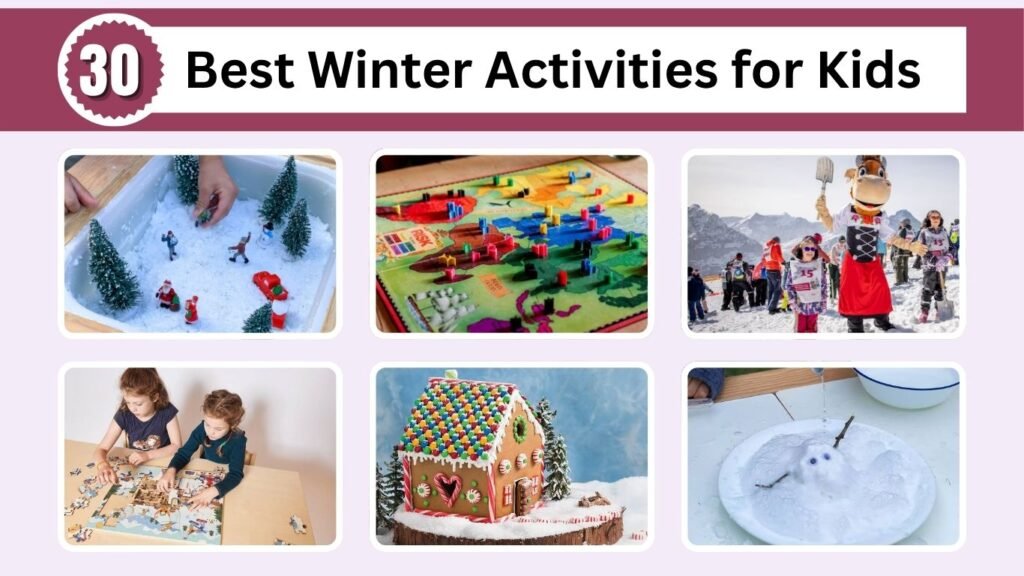
Looking for exciting ways to keep your kids entertained during the colder months? These 30 best winter activities for kids offer a perfect mix of outdoor adventures, creative indoor games, and educational experiences. From building snowmen and sledding to winter crafts and cozy movie nights, discover fun activities for children of all ages. These ideas will keep your little ones active, happy, and engaged throughout winter.
1. Building a Snowman
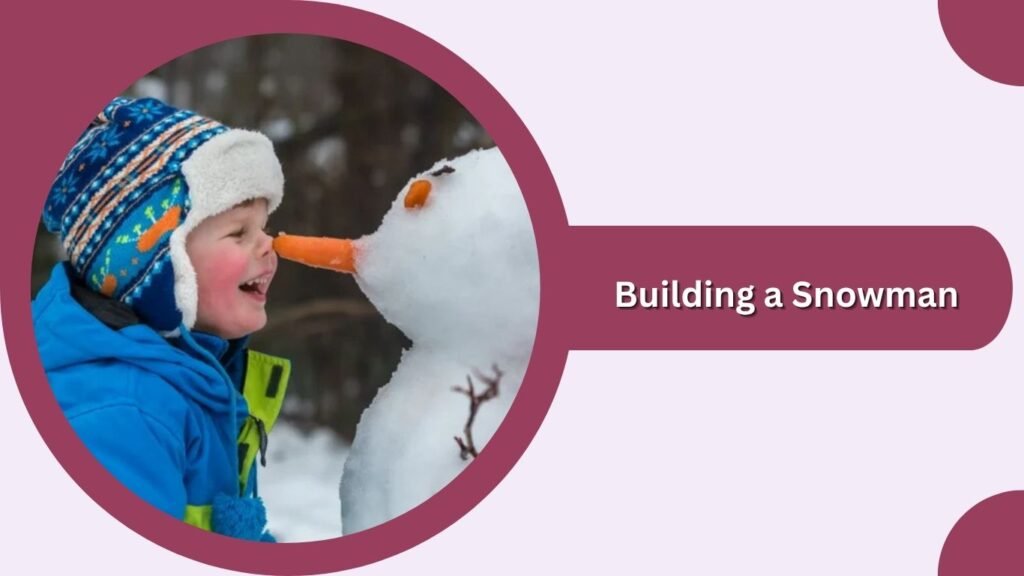
Building a snowman is one of the most enjoyable winter activities for kids, combining outdoor fun, creativity, and physical movement. Children can roll snowballs, stack them together, and decorate their snowman using everyday household accessories. This classic winter activity encourages teamwork, imagination, and problem-solving while allowing kids to enjoy fresh air. Whether playing with siblings, friends, or parents, building a snowman creates wonderful winter memories.
Materials Needed
- Fresh Snow: Moist, packable snow that holds its shape.
- Carrot: A traditional decoration for the snowman’s nose.
- Small Stones: For creating eyes, buttons, and a smiling mouth.
- Old Scarf: Adds color and personality to the snowman.
- Winter Hat: Makes the snowman look more cheerful.
- Small Sticks: Perfect for creating arms.
- Gloves: Keep children’s hands warm while playing in the snow.
How to Build a Snowman
Start by helping children gather enough packable snow to form three different-sized snowballs. Roll the largest snowball across the ground to create a sturdy base, then place a medium-sized snowball on top. Add the smallest snowball to form the head.Once the snowman is assembled, encourage kids to decorate it with a carrot nose, stones, a scarf, and a winter hat. Children can experiment with different facial expressions and accessories to make their snowman unique.
Learning and Development Benefits
Building a snowman helps children develop coordination, creativity, and teamwork. Rolling and shaping snowballs encourages physical activity, while stacking them introduces basic concepts of balance, size, and structure.Working together also teaches communication and cooperation. Kids can use their imagination to create snowman characters and invent fun winter stories.
2. Snowball Fight
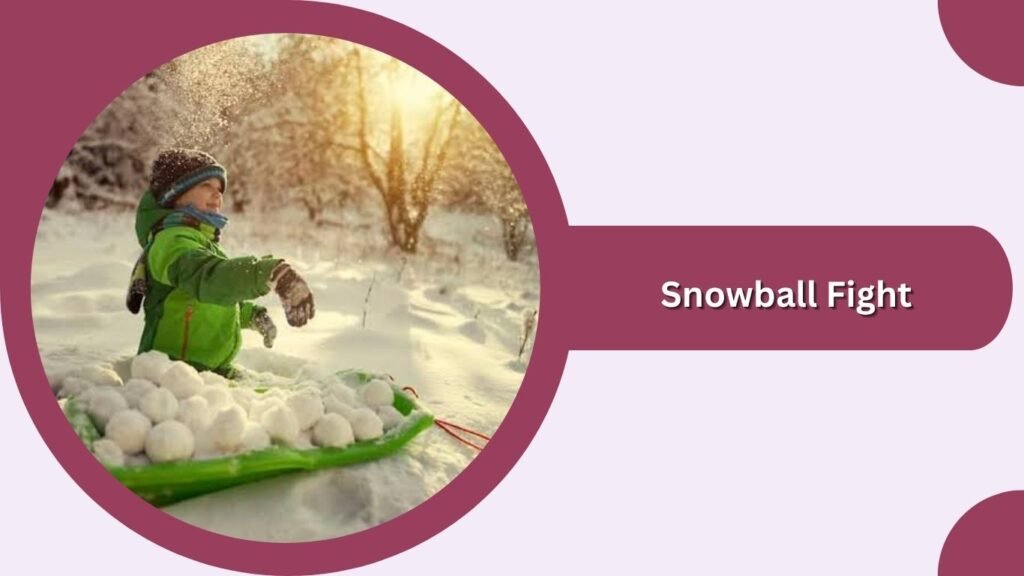
A snowball fight is one of the most exciting winter activities for kids, encouraging outdoor play, teamwork, and physical exercise. Children can enjoy friendly snowball games with siblings, friends, or family members while developing coordination and social skills. This classic winter activity requires minimal equipment and provides an entertaining way to enjoy snowy weather. With simple rules and proper supervision, a snowball fight can become a memorable winter adventure for children of different ages.
Materials Needed
- Soft Snow: Fresh, loosely packed snow for making gentle snowballs.
- Winter Gloves: Waterproof gloves to keep children’s hands warm and dry.
- Warm Jackets: Insulated winter coats for protection against cold temperatures.
- Winter Boots: Waterproof boots with good traction to prevent slipping.
- Snowball Targets: Cardboard boxes or large outdoor targets for throwing games.
- Play Area: An open, snow-covered space away from roads and obstacles.
- Team Markers: Colorful scarves or ribbons to identify different teams.
How to Play Snowball Fight
Start by choosing a safe outdoor area with plenty of soft snow. Divide children into small teams and establish clear game boundaries. Encourage everyone to make loose, soft snowballs rather than tightly packed or icy ones.For a safer variation, arrange large cardboard targets and let children compete to hit them with snowballs. Award points for successful throws and create friendly challenges based on distance or accuracy.If children play against each other, establish rules against throwing at faces or heads. Keep the atmosphere friendly and encourage participants to respect everyone’s comfort levels.
Learning and Development Benefits
Snowball games help children improve hand-eye coordination, balance, and motor skills. Throwing snowballs at targets develops accuracy, while moving through snow encourages physical activity and body awareness.Team-based challenges promote communication, cooperation, and problem-solving. Children also learn patience, fair play, and the importance of following rules during group activities.
3. Sledding

Sledding is a popular winter activity for kids that combines outdoor adventure, excitement, and physical movement. Sliding down a snowy hill provides children with an entertaining way to experience winter while improving balance and coordination. Whether using a traditional wooden sled or a lightweight plastic model, kids can enjoy sledding with friends and family. With a suitable location, proper equipment, and adult supervision, sledding can create unforgettable winter memories.
Materials Needed
- Snow Sled: A sturdy, age-appropriate sled with reliable steering and braking features when available.
- Winter Helmet: A properly fitted helmet suitable for the activity.
- Warm Clothing: Insulated jackets, snow pants, and thermal layers.
- Waterproof Gloves: Protect children’s hands from snow and cold temperatures.
- Winter Boots: Boots with good traction for walking on snowy hills.
- Safe Hill: A gentle, open slope with a long, clear stopping area.
- Adult Supervision: A responsible adult to monitor sledding activities.
How to Enjoy Sledding
Begin by selecting a gentle hill with smooth snow and plenty of open space at the bottom. Make sure the slope is free from trees, rocks, fences, roads, and frozen water.Help children position themselves on the sled while facing forward with their feet pointing downhill. Younger kids should start on shorter, gentler slopes to become familiar with the activity.Encourage children to wait until the downhill path is completely clear before starting. After reaching the bottom, they should move away from the stopping area and walk back uphill along the side of the sledding route.
Learning and Development Benefits
Sledding helps children develop balance, coordination, and spatial awareness. Controlling body position while moving downhill encourages motor skill development and builds confidence.Walking uphill while carrying a sled also provides physical exercise and strengthens leg muscles. Group sledding activities teach patience, turn-taking, and cooperation.Children learn to recognize potential hazards and practice making responsible decisions while enjoying outdoor recreation.
4. Ice Skating

Ice skating is one of the most exciting winter activities for kids, offering a wonderful combination of physical exercise, balance, and outdoor enjoyment. Children can glide across the ice, learn new skating skills, and spend quality time with family or friends. Whether visiting an indoor skating rink or a supervised outdoor rink, ice skating encourages confidence, coordination, and active play. With appropriate equipment and guidance, kids can enjoy this classic winter activity safely.
Materials Needed
- Ice Skates: Properly fitted skates with comfortable ankle support.
- Safety Helmet: A well-fitting helmet suitable for ice skating.
- Warm Clothing: Insulated jackets, comfortable pants, and thermal layers.
- Winter Gloves: Protect children’s hands from cold temperatures and minor falls.
- Knee and Elbow Pads: Provide additional protection for beginners.
- Skating Support: Rink-approved skating aids for younger children learning balance.
- Safe Ice Rink: A maintained indoor rink or officially approved outdoor skating area.
How to Enjoy Ice Skating
Start by taking children to a beginner-friendly ice skating rink. Help them put on properly fitted skates and explain how to maintain balance while standing on the ice.Encourage beginners to bend their knees slightly, keep their arms relaxed, and take small steps before attempting to glide. Children can practice moving forward slowly while holding a skating support or receiving guidance from an instructor.As their confidence improves, introduce simple skating games such as following marked paths or gliding between designated points. Allow children to progress at their own pace without pressure.
Learning and Development Benefits
Ice skating helps children improve balance, coordination, and overall body control. Maintaining stability on the ice strengthens leg muscles and develops spatial awareness.Learning to skate also encourages patience, perseverance, and confidence. Children gradually become comfortable with new movements and learn to recover from small mistakes.Group skating sessions can improve social skills as children practice sharing space, taking turns, and following rink rules.
5. Making Snow Angels

Making snow angels is a simple and delightful winter activity for kids that encourages creativity, movement, and outdoor exploration. Children can lie on fresh snow and move their arms and legs to create beautiful angel-shaped impressions. This traditional winter activity requires very little equipment, making it an excellent choice for spontaneous snowy-day fun. Whether playing alone or with friends, kids can enjoy creating different snow angel designs while experiencing the beauty of winter.
Materials Needed
- Fresh Snow: A soft, clean layer of snow deep enough to create visible impressions.
- Waterproof Jacket: Keeps children’s upper bodies warm and dry.
- Snow Pants: Protect legs and clothing from moisture.
- Winter Gloves: Insulated gloves to keep hands comfortable.
- Warm Boots: Waterproof winter boots with good traction.
- Winter Hat: Helps protect the head and ears from cold weather.
- Open Play Area: A safe, snow-covered space without hidden obstacles.
How to Make Snow Angels
Begin by choosing a flat area covered with fresh, soft snow. Check the ground carefully to make sure there are no rocks, branches, or other hidden objects beneath the snow.Ask children to lie on their backs with their arms resting beside their bodies and their legs together. Encourage them to move their arms upward and downward while spreading their legs apart and bringing them back together.After creating the angel shape, help children stand up carefully without stepping on their design. They can admire the pattern and experiment with different sizes or creative arrangements.
Learning and Development Benefits
Making snow angels supports physical development by encouraging coordinated arm and leg movements. Children practice body awareness as they discover how their movements create shapes in the snow.The activity also stimulates creativity and imagination. Kids can experiment with different movements, compare designs, and invent stories about their snow angels.Playing together encourages cooperation, communication, and shared enjoyment. It also provides an opportunity to explore seasonal weather and natural surroundings.
6. Snow Fort Building

Snow fort building is an exciting winter activity for kids that combines creativity, teamwork, and outdoor adventure. Children can use fresh snow to construct small walls, imaginative hideouts, and decorative snow structures while enjoying the winter weather. This hands-on activity encourages problem-solving, physical movement, and cooperation. Whether building a simple snow wall or designing a miniature winter castle, kids can explore their imagination while creating memorable outdoor experiences with friends and family.
Materials Needed
- Packable Snow: Fresh, slightly moist snow that holds its shape easily.
- Snow Shovels: Lightweight, child-friendly shovels for gathering and moving snow.
- Plastic Buckets: Useful for shaping snow blocks and decorative structures.
- Snow Molds: Small containers for creating different snow shapes.
- Winter Gloves: Waterproof gloves to keep children’s hands warm and dry.
- Warm Clothing: Insulated jackets, snow pants, and waterproof winter boots.
- Decorations: Small flags, colorful sticks, and lightweight outdoor accessories.
How to Build a Snow Fort
Start by choosing a flat, open area with plenty of fresh snow. Encourage children to plan a simple fort design, such as a low circular wall or a small rectangular enclosure.Help kids fill plastic buckets with snow and gently press it together to create blocks. Arrange the blocks in short rows to form low walls, making sure the structure remains stable and easy to see over.Children can decorate their snow fort with colorful flags or create small pathways around the structure. Encourage teamwork by assigning simple tasks such as gathering snow, shaping blocks, and decorating.Avoid constructing roofs, tunnels, or enclosed snow shelters because they can collapse and trap children.
Learning and Development Benefits
Building a snow fort helps children develop creativity, coordination, and problem-solving skills. Measuring spaces, arranging snow blocks, and balancing structures introduce basic engineering and spatial awareness concepts.Working in groups encourages communication, cooperation, and shared decision-making. Children also develop patience as they experiment with different building techniques.The physical movements involved in gathering and shaping snow provide exercise while encouraging active outdoor play.
7. Winter Nature Walk
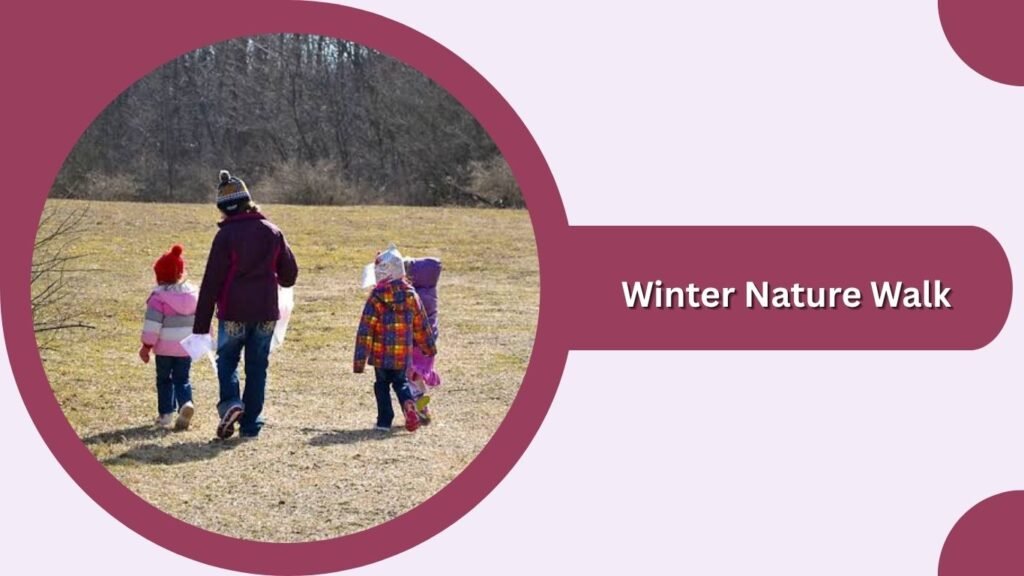
A winter nature walk is a peaceful and educational activity that allows kids to explore the outdoors while discovering seasonal changes in plants, animals, and landscapes. Children can observe bare trees, animal tracks, winter birds, and frost-covered leaves while enjoying fresh air and gentle physical exercise. This affordable winter activity encourages curiosity, environmental awareness, and family bonding. Whether exploring a local park, garden, or nature trail, winter walks offer opportunities for learning and adventure.
Materials Needed
- Warm Jackets: Insulated outerwear to protect children from cold weather.
- Winter Boots: Waterproof footwear with good traction for slippery surfaces.
- Gloves and Hats: Essential accessories for keeping hands and ears warm.
- Nature Journal: A small notebook for recording interesting discoveries.
- Magnifying Glass: Useful for observing leaves, bark, and natural textures.
- Binoculars: Child-friendly binoculars for watching birds and distant wildlife.
- Water Bottle: Drinking water to keep children hydrated during the walk.
- Small Backpack: Convenient for carrying supplies and extra clothing.
How to Enjoy a Winter Nature Walk
Choose a safe, beginner-friendly walking trail, neighborhood park, or natural area suitable for children’s ages and abilities. Before heading outdoors, explain the different things they might discover during winter.Encourage kids to observe tree branches, fallen leaves, animal footprints, and birds searching for food. Ask them to notice how the environment differs from warmer seasons.Children can record their discoveries in a nature journal or draw pictures of interesting plants and animals. Turn the walk into an adventure by challenging them to identify different tree shapes, natural textures, or signs of wildlife.Allow plenty of time for exploration and questions while maintaining a relaxed walking pace.
Learning and Development Benefits
Winter nature walks help children develop observation skills, curiosity, and environmental awareness. Exploring natural surroundings introduces basic concepts about seasonal changes, animal behavior, and plant life cycles.Walking outdoors also supports physical fitness, balance, and coordination. Children can strengthen their attention and problem-solving skills by identifying natural objects and interpreting animal tracks.Family nature walks encourage communication and shared learning while helping kids develop an appreciation for the environment.
8. Snow Painting

Snow painting is a colorful and creative winter activity for kids that transforms ordinary snow into a beautiful outdoor canvas. Children can use washable colors, spray bottles, and simple painting tools to create exciting patterns, pictures, and decorations on fresh snow. This hands-on activity encourages imagination, artistic expression, and sensory exploration while allowing kids to enjoy winter weather. Whether painting colorful shapes or creating a snowy masterpiece, children can have fun experimenting with different colors and designs.
Materials Needed
- Fresh Snow: A clean, smooth snow-covered area for painting.
- Washable Colors: Child-safe, water-based colors or diluted food coloring.
- Spray Bottles: Small plastic bottles for applying colored water.
- Paintbrushes: Large, soft brushes suitable for outdoor painting.
- Plastic Containers: Small bowls or cups for mixing colors.
- Warm Clothing: Waterproof jackets, snow pants, and insulated winter boots.
- Winter Gloves: Waterproof gloves to keep children’s hands warm and comfortable.
- Stencils: Simple shapes for creating stars, hearts, and snowflake patterns.
How to Enjoy Snow Painting
Start by selecting a flat outdoor area covered with fresh snow. Prepare several spray bottles filled with water and a small amount of washable coloring. Use different colors to make the activity more exciting.Encourage children to spray colorful designs onto the snow or use paintbrushes to create pictures. Younger kids can experiment with simple shapes, while older children may enjoy painting landscapes, animals, or winter-themed artwork.Introduce stencils to help children create recognizable patterns. They can also work together to design a large colorful snow mural.Allow kids to explore different color combinations and observe how the colors spread across the snow.
Learning and Development Benefits
Snow painting supports creativity, imagination, and artistic expression. Children learn about primary and secondary colors while experimenting with mixing different shades.Using spray bottles and paintbrushes helps develop hand-eye coordination and fine motor skills. Creating shapes and patterns also encourages spatial awareness and problem-solving.Group painting activities promote teamwork, communication, and cooperation as children share supplies and develop creative ideas together.
9. Winter Scavenger Hunt
A winter scavenger hunt is an exciting outdoor activity that encourages kids to explore their surroundings while searching for seasonal objects and natural treasures. Children can look for pinecones, animal tracks, evergreen leaves, and other winter discoveries while completing a fun checklist. This interactive activity combines adventure, observation, and problem-solving with gentle physical exercise. Whether organized in a backyard, local park, or nature trail, a winter scavenger hunt provides an enjoyable learning experience for children of different ages.
Materials Needed
- Scavenger Hunt Checklist: A printed or handwritten list of winter objects to find.
- Pencil or Marker: For checking off completed discoveries.
- Small Clipboard: Makes writing easier during outdoor exploration.
- Warm Clothing: Insulated jackets, gloves, hats, and winter boots.
- Magnifying Glass: Useful for examining natural objects closely.
- Binoculars: Child-friendly binoculars for observing winter birds.
- Small Backpack: Convenient for carrying supplies and collected items when permitted.
- Camera: Optional for photographing discoveries without disturbing nature.
How to Organize a Winter Scavenger Hunt
Begin by choosing a safe outdoor location such as a backyard, neighborhood park, or maintained nature trail. Create a checklist featuring seasonal objects that children might discover during winter.Include items such as pinecones, bare tree branches, evergreen leaves, animal footprints, bird feathers, and frost-covered plants. Adjust the difficulty based on children’s ages and the local environment.Give each child a checklist and explain the rules before starting. Encourage them to observe their surroundings carefully and mark each item they discover.For additional excitement, divide children into small teams or introduce simple challenges, such as identifying three different tree shapes or spotting two winter birds.
Learning and Development Benefits
Winter scavenger hunts help children improve observation, concentration, and critical-thinking skills. Searching for specific objects encourages attention to detail and introduces basic concepts about seasonal changes.The activity also supports physical development through walking, exploring, and navigating outdoor environments. Children practice decision-making as they determine where different natural objects might be found.Team-based scavenger hunts encourage communication, cooperation, and problem-solving while helping children develop an appreciation for nature.
10. Making Paper Snowflakes

Making paper snowflakes is a fun and creative winter activity for kids that brings the beauty of snowy weather indoors. Children can transform ordinary paper into beautiful snowflake decorations using simple folding and cutting techniques. This affordable activity encourages imagination, patience, and artistic expression while helping kids develop important fine motor skills. Whether decorating windows, creating winter garlands, or designing unique snowflake patterns, children can enjoy hours of creative entertainment during cold winter days.
Materials Needed
- White Paper: Lightweight printer paper or colorful craft paper for creating snowflakes.
- Safety Scissors: Child-friendly scissors suitable for cutting folded paper.
- Pencils: Useful for drawing snowflake patterns before cutting.
- Colored Paper: Adds variety and creativity to winter decorations.
- Glue Sticks: For attaching finished snowflakes to craft projects.
- String or Ribbon: Perfect for creating hanging snowflake decorations.
- Markers or Crayons: For adding colorful details and unique designs.
- Glitter or Stickers: Optional decorative materials for enhancing snowflakes.
How to Make Paper Snowflakes
Start by giving each child a square piece of paper. Help them fold the paper diagonally to form a triangle, then fold it again into a smaller triangle. For more detailed designs, additional folds can create interesting symmetrical patterns.Encourage children to draw simple shapes along the folded edges using pencils. Carefully cut out the shapes with safety scissors, making sure to leave enough connected paper to hold the snowflake together.Once the cutting is complete, gently unfold the paper to reveal the finished snowflake. Children can experiment with different shapes, sizes, and patterns to create unique decorations.Display the finished snowflakes on windows, walls, or hanging strings to create a festive winter atmosphere.
Learning and Development Benefits
Making paper snowflakes helps children develop fine motor skills, hand-eye coordination, and concentration. Folding and cutting paper requires careful movements that strengthen finger control and improve precision.This activity also introduces basic mathematical concepts such as symmetry, shapes, and patterns. Children discover how small cuts can create repeating designs when the paper is unfolded.Decorating snowflakes encourages imagination, creativity, and artistic expression. Working together also promotes communication and cooperation during group craft sessions.
11. Indoor Snowball Toss
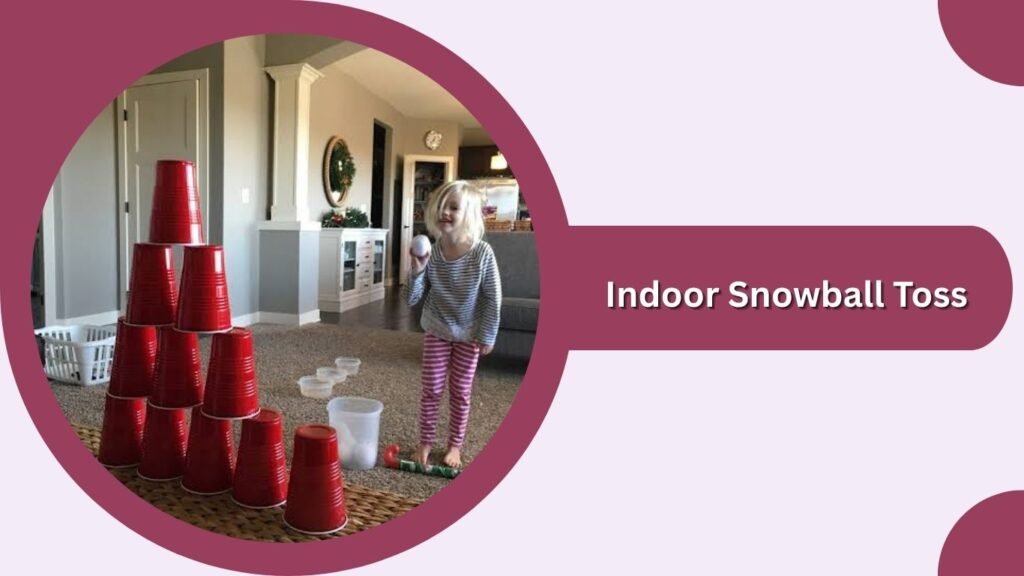
Indoor snowball toss is an exciting winter activity for kids that brings snowy outdoor fun inside the home. Instead of using real snow, children throw soft fabric balls, rolled-up socks, or handmade cotton snowballs toward designated targets. This simple game encourages physical movement, coordination, and friendly competition without requiring expensive equipment. Whether played during snowy afternoons or winter-themed parties, indoor snowball toss provides an entertaining way to keep children active and engaged.
Materials Needed
- Soft Snowballs: Rolled-up white socks, soft fabric balls, or lightweight plush snowballs.
- Plastic Buckets: Used as targets for tossing snowballs.
- Laundry Baskets: Larger targets suitable for younger children.
- Painter’s Tape: For marking throwing lines and playing boundaries.
- Cardboard Boxes: Affordable alternatives for creating different target areas.
- Colored Paper: Useful for decorating targets with winter-themed designs.
- Scoreboard: A notebook or whiteboard for recording points.
- Open Indoor Space: A clear playing area away from fragile objects.
How to Play Indoor Snowball Toss
Start by choosing a spacious indoor area and removing breakable objects or obstacles. Arrange several baskets or buckets at different distances from a marked throwing line.Give each child a set number of soft snowballs and explain the rules. Players take turns throwing their snowballs toward the targets, earning points whenever a snowball lands inside a basket.For younger children, place larger baskets closer to the throwing line. Older kids can enjoy additional challenges by aiming at smaller targets or throwing from greater distances.Introduce team competitions, timed rounds, or different scoring levels to make the activity more exciting. Encourage children to celebrate everyone’s efforts rather than focusing only on winning.
Learning and Development Benefits
Indoor snowball toss helps children improve hand-eye coordination, balance, and gross motor skills. Throwing soft objects toward targets encourages controlled arm movements and develops spatial awareness.The game also introduces basic counting and number recognition as children calculate their scores. Adjusting throwing distances encourages problem-solving and strategic thinking.Playing in groups teaches patience, turn-taking, cooperation, and good sportsmanship. Children learn to follow instructions while enjoying active indoor entertainment.
12. Hot Chocolate Making

Hot chocolate making is a cozy and enjoyable winter activity for kids that combines creativity, simple cooking skills, and delicious treats. Children can help prepare warm chocolate drinks using milk, cocoa powder, and their favorite toppings while spending quality time with family. This indoor winter activity encourages hands-on learning, imagination, and cooperation. Whether preparing hot chocolate after outdoor play or organizing a family chocolate-making party, kids can enjoy creating their own special winter drinks.
Materials Needed
- Milk: Dairy milk or a suitable plant-based alternative for the hot chocolate base.
- Cocoa Powder: Unsweetened cocoa powder for a rich chocolate flavor.
- Sugar: A small amount of sugar or another preferred sweetener.
- Chocolate Chips: Optional ingredients for creating a creamier chocolate drink.
- Marshmallows: Small marshmallows for decorating finished drinks.
- Whipped Cream: An optional topping for extra flavor.
- Mugs: Child-friendly, heat-safe cups for serving hot chocolate.
- Mixing Spoons: Useful for stirring ingredients and combining toppings.
How to Make Hot Chocolate
Start by gathering the ingredients and setting up a clean preparation area. Allow children to measure cocoa powder, sugar, and chocolate chips while an adult warms the milk on the stove or in a microwave-safe container.Once the milk is warm, carefully combine the cocoa powder and sugar with a small amount of milk to create a smooth mixture. Gradually add the remaining milk and stir until everything is well blended.Let the hot chocolate cool to a comfortable drinking temperature before serving it to children. Encourage kids to decorate their drinks with a few marshmallows, whipped cream, or chocolate shavings.For additional fun, organize a small hot chocolate station where children can choose their favorite toppings and create personalized drinks.
Learning and Development Benefits
Making hot chocolate introduces children to basic cooking skills, including measuring ingredients, mixing liquids, and following simple instructions. These activities help develop fine motor coordination and concentration.Measuring milk and cocoa powder also introduces early mathematical concepts such as quantities, fractions, and proportions. Children learn how different ingredients combine to create flavors and textures.Preparing drinks together encourages communication, teamwork, and independence. Decorating hot chocolate allows kids to express creativity while enjoying a rewarding hands-on activity.
13. Winter-Themed Arts and Crafts

Winter-themed arts and crafts provide a creative and entertaining indoor activity for kids during cold weather. Children can use colorful paper, cotton balls, paint, and recycled materials to make snowmen, winter landscapes, mittens, and seasonal decorations. This affordable activity encourages imagination, artistic expression, and hands-on learning while helping children develop important fine motor skills. Whether crafting independently or participating in family projects, kids can enjoy creating beautiful winter-inspired artwork.
Materials Needed
- Colored Paper: White, blue, silver, and other colors for winter-themed designs.
- Cotton Balls: Useful for creating fluffy snowmen and snowy landscapes.
- Safety Scissors: Child-friendly scissors for cutting paper shapes.
- Glue Sticks: For attaching paper, cotton, and lightweight decorative materials.
- Crayons and Markers: For drawing winter scenes and decorating craft projects.
- Washable Paint: Child-safe paint for creating snowflakes, trees, and winter artwork.
- Cardboard: Recycled cardboard for making sturdy decorations and craft bases.
- Stickers: Winter-themed stickers featuring snowflakes, animals, and seasonal shapes.
How to Enjoy Winter-Themed Arts and Crafts
Begin by preparing a clean craft table and arranging all the materials within easy reach. Introduce children to several winter-inspired projects, such as paper snowmen, cotton-ball snow landscapes, or colorful mitten decorations.For a simple snowman craft, help children cut three white paper circles and glue them onto colored cardboard. They can add a paper hat, scarf, buttons, and facial features using markers or colorful paper.Another creative option is making a winter landscape with blue construction paper, cotton-ball snow, and hand-drawn evergreen trees. Encourage children to experiment with different colors, textures, and materials.Display the finished artwork around the home to create a cheerful winter atmosphere and celebrate their creativity.
Learning and Development Benefits
Winter arts and crafts help children improve fine motor skills, hand-eye coordination, and concentration. Cutting, gluing, painting, and arranging materials strengthen finger control and encourage precise movements.Craft projects also support creativity, imagination, and problem-solving. Children learn to combine shapes, colors, and textures while exploring different artistic techniques.Following step-by-step instructions develops sequencing and organizational skills. Group crafting activities encourage communication, cooperation, and sharing.Completing a creative project can also build confidence and provide children with a sense of accomplishment.
14. Building a Snow Igloo
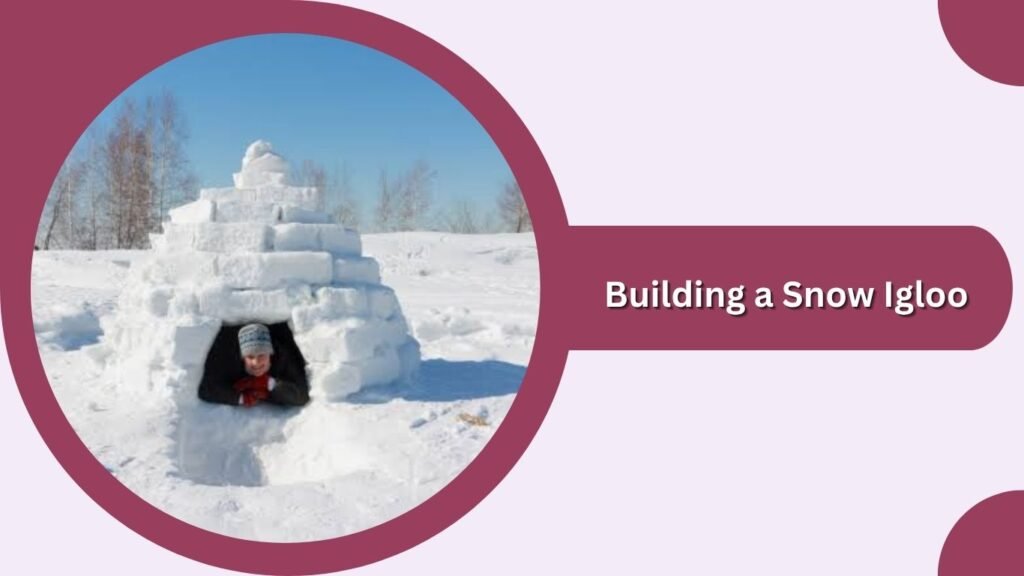
Building a snow igloo is an exciting winter activity for kids that combines creativity, teamwork, and outdoor exploration. Children can use soft snow and simple molds to construct miniature igloos while learning about traditional Arctic shelters. This hands-on winter project encourages imagination, problem-solving, and basic building skills. Whether creating a small snow igloo for toy animals or designing a miniature winter village, kids can enjoy an educational outdoor adventure.
Materials Needed
- Packable Snow: Fresh, slightly moist snow suitable for creating small blocks.
- Plastic Buckets: Small containers for shaping snow into building blocks.
- Snow Molds: Child-friendly molds for creating different snow shapes.
- Small Shovels: Lightweight plastic shovels for gathering snow.
- Winter Gloves: Waterproof gloves to keep children’s hands warm.
- Warm Clothing: Insulated jackets, snow pants, hats, and winter boots.
- Toy Figures: Small animal figurines or characters for decorating the miniature igloo.
- Decorations: Small flags and colorful outdoor accessories.
How to Build a Snow Igloo
Start by selecting a flat, open area covered with fresh snow. Explain to children how traditional igloos are constructed using carefully shaped snow blocks, then introduce a safer miniature building activity.Help kids fill small plastic containers with packable snow and gently press it into compact blocks. Arrange the blocks in a circular pattern to create a miniature igloo structure.Children can experiment with stacking small snow blocks and creating a low decorative dome. Encourage them to work slowly and observe how different block shapes affect the stability of their structure.Once completed, they can decorate the miniature igloo with toy animals, colorful flags, or surrounding snow sculptures.
Learning and Development Benefits
Building a miniature snow igloo introduces children to basic engineering concepts such as balance, shape, and structural stability. Arranging snow blocks encourages logical thinking, spatial awareness, and problem-solving.The activity also supports fine and gross motor development as children gather snow, shape blocks, and arrange materials.Working together promotes communication, cooperation, and patience. Children can learn about Arctic environments and how traditional snow shelters provide insulation in cold climates.
15. Snow Tubing

Snow tubing is one of the most exciting winter activities for kids, offering a thrilling way to slide down snowy hills while enjoying outdoor adventure. Unlike traditional sledding, snow tubing uses specially designed inflatable tubes that glide across packed snow. This activity requires little experience, making it appealing to many children and families. Whether visiting a managed snow tubing park or an approved recreation area, kids can enjoy winter excitement while developing confidence and coordination.
Materials Needed
- Snow Tube: A durable, purpose-built inflatable tube designed specifically for snow tubing.
- Safety Helmet: A properly fitted helmet suitable for the activity.
- Warm Jacket: An insulated winter coat for protection against cold temperatures.
- Snow Pants: Waterproof pants to keep children warm and dry.
- Winter Gloves: Insulated gloves for protecting hands from snow.
- Winter Boots: Waterproof boots with good traction for walking on snowy surfaces.
- Snow Tubing Area: A supervised tubing park with designated lanes and safe stopping zones.
- Adult Supervision: A responsible adult to monitor children and enforce safety rules.
How to Enjoy Snow Tubing
Begin by choosing a professionally managed snow tubing park that offers age-appropriate lanes and properly maintained equipment. Review the facility’s height, age, and safety requirements before allowing children to participate.Help kids sit securely inside the snow tube according to the operator’s instructions. Explain how to hold the designated handles and remain seated throughout the ride.Children should wait until the tubing lane is clear and staff members give permission to begin. Once released, the tube slides downhill along a prepared snowy surface.After reaching the bottom, children should exit the tube promptly and move to the designated walking area.
Learning and Development Benefits
Snow tubing encourages children to participate in outdoor physical activities while enjoying the winter environment. Walking between tubing areas provides exercise, while positioning themselves inside the tube develops body awareness.Following instructions and waiting for their turns help children practice patience, self-control, and responsible decision-making.Participating with family or friends also promotes social interaction and shared experiences. Successfully completing a tubing run can improve confidence and encourage children to explore other winter recreational activities.
16. Winter Bird Watching

Winter bird watching is a peaceful and educational activity that allows kids to explore nature while discovering different bird species during the colder months. Children can observe birds visiting backyard feeders, resting in trees, or searching for food in parks and gardens. This enjoyable winter activity encourages curiosity, patience, and environmental awareness. Whether watching colorful cardinals, chickadees, or woodpeckers, kids can develop an appreciation for wildlife while spending quality time outdoors with family.
Materials Needed
- Binoculars: Lightweight, child-friendly binoculars for observing birds from a distance.
- Bird Identification Guide: A picture book or illustrated guide featuring common winter birds.
- Bird Feeder: A simple feeder for attracting suitable backyard bird species.
- Birdseed: Sunflower seeds or other foods appropriate for local wild birds.
- Nature Journal: A notebook for recording bird sightings and observations.
- Colored Pencils: Useful for drawing birds and their distinctive markings.
- Warm Clothing: Insulated jackets, gloves, hats, and waterproof winter boots.
- Camera: An optional device for photographing birds without disturbing them.
How to Enjoy Winter Bird Watching
Start by choosing a quiet location such as a backyard, neighborhood park, or nature trail. Encourage children to observe birds from a comfortable distance using binoculars or their natural eyesight.If permitted and appropriate for the location, install a simple bird feeder where kids can safely watch visiting birds. Explain how different species have unique colors, body shapes, and feeding habits.Ask children to identify birds using an illustrated field guide and record their discoveries in a nature journal. They can draw pictures, count birds, or compare the species they observe.
Learning and Development Benefits
Winter bird watching helps children develop observation, concentration, and patience. Identifying birds by their colors, shapes, and behaviors strengthens attention to detail and classification skills.This activity also introduces basic scientific concepts related to migration, seasonal adaptation, and wildlife habitats. Children discover how birds survive cold temperatures and find food during winter.Recording sightings encourages writing, drawing, and early data collection skills. Family bird watching also promotes communication and a greater appreciation for nature.
17. Baking Winter Cookies

Baking winter cookies is a fun and delicious indoor activity that allows kids to explore creativity while learning basic cooking skills. Children can help mix ingredients, shape cookie dough, and decorate festive treats using colorful icing and sprinkles. This enjoyable winter activity brings families together and creates a warm atmosphere during chilly days. Whether making snowflake-shaped sugar cookies or decorating gingerbread treats, kids can enjoy a hands-on experience that combines learning, imagination, and delicious rewards.
Materials Needed
- Flour: All-purpose flour for preparing homemade cookie dough.
- Sugar: Granulated or brown sugar, depending on the recipe.
- Butter: Softened butter for creating a tender cookie texture.
- Eggs: Used in many traditional cookie recipes.
- Cookie Cutters: Snowflake, snowman, mitten, and star-shaped cutters.
- Mixing Bowls: Lightweight bowls for combining ingredients.
- Rolling Pin: A child-friendly rolling pin for flattening cookie dough.
- Decorating Supplies: Icing, colored sprinkles, and edible decorations.
- Baking Tray: A suitable tray lined with parchment paper for baking.
How to Bake Winter Cookies
Begin by selecting a simple, age-appropriate cookie recipe and arranging the ingredients on a clean kitchen counter. Encourage children to help measure flour, sugar, and other ingredients while an adult supervises.Mix the ingredients according to the recipe until a smooth dough forms. Allow children to use a rolling pin to flatten the dough and press winter-themed cookie cutters into it.Carefully transfer the shaped cookies onto a prepared baking tray. An adult should handle the oven and hot baking equipment.Once the cookies have baked and cooled completely, invite children to decorate them with icing and colorful sprinkles. They can create snowflake patterns, smiling snowmen, or imaginative winter characters.
Learning and Development Benefits
Baking winter cookies helps children develop essential life skills such as measuring, mixing, following instructions, and maintaining cleanliness.Measuring ingredients introduces mathematical concepts, including counting, fractions, and quantities. Observing how cookie dough changes during baking also provides an introduction to basic food science.Rolling dough and using cookie cutters improve hand-eye coordination and fine motor skills. Decorating cookies encourages artistic expression and imagination.Family baking sessions promote teamwork, patience, communication, and confidence as children participate in preparing homemade treats.
18. DIY Snow Globe Making
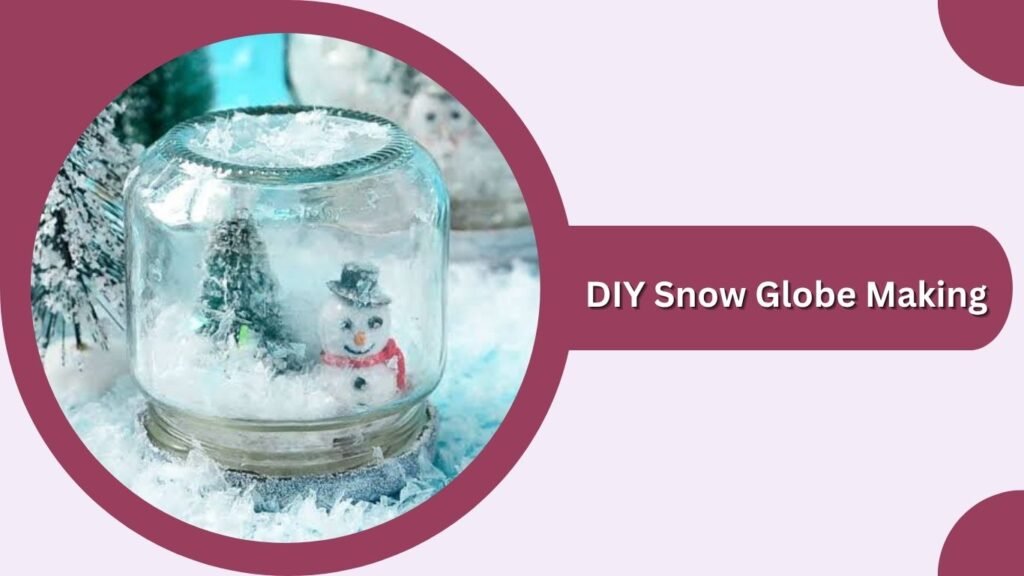
DIY snow globe making is a fun and creative winter activity for kids that transforms simple household materials into beautiful seasonal decorations. Children can design miniature winter scenes using small figurines, artificial snow, and clear plastic containers. This hands-on activity encourages imagination, artistic expression, and problem-solving while providing an enjoyable indoor experience. Whether creating a snowy village, decorating a winter landscape, or making personalized gifts, kids can enjoy crafting their own magical snow globes.
Materials Needed
- Clear Plastic Jars: Transparent, leak-resistant containers with secure lids.
- Miniature Figurines: Small snowmen, trees, penguins, or winter-themed decorations.
- Artificial Snow: Child-safe decorative snow or biodegradable glitter suitable for crafts.
- Distilled Water: For filling the snow globe and creating a clear winter scene.
- Glycerin: An optional ingredient that helps decorative particles fall more slowly.
- Waterproof Glue: Adult-applied adhesive suitable for securing miniature decorations.
- Decorative Ribbon: Colorful ribbon for decorating the outside of the container.
- Plastic Spoon: Useful for adding artificial snow and mixing materials.
How to Make a DIY Snow Globe
Start by choosing a clean, transparent plastic container with a secure lid. Encourage children to select miniature winter decorations and arrange them into a creative scene.An adult should attach the figurines to the inside of the lid using a suitable waterproof adhesive. Allow the glue to cure completely according to the manufacturer’s instructions before continuing.Fill the container with distilled water, leaving a little space at the top. Add a small amount of artificial snow or suitable glitter. A few drops of glycerin can help the decorative particles move more slowly through the water.Secure the lid carefully and check for leaks. Children can gently turn the container upside down to watch the artificial snow float around their miniature winter scene.
Learning and Development Benefits
Making DIY snow globes helps children develop creativity, concentration, and fine motor skills. Selecting miniature decorations and arranging them into a scene encourages imagination and spatial awareness.Measuring water and combining materials introduces basic scientific concepts related to liquids, movement, and gravity. Children can observe how decorative particles behave when the container is shaken or turned upside down.The activity also supports problem-solving as kids experiment with different decorations and designs. Completing a personalized snow globe builds confidence and provides a sense of accomplishment.
19. Snow Maze Adventure

A snow maze adventure is an exciting outdoor winter activity that encourages kids to explore, solve problems, and enjoy active play. Children can create winding pathways through shallow snow, follow different routes, and complete fun challenges while navigating their homemade maze. This imaginative activity combines physical exercise with creative thinking and teamwork. Whether designed in a backyard or a spacious snow-covered play area, a snow maze offers an entertaining way to enjoy winter weather with friends and family.
Materials Needed
- Fresh Snow: A suitable layer of soft snow for creating visible maze pathways.
- Snow Shovels: Lightweight, child-friendly shovels for shaping simple paths.
- Colored Flags: Small markers for identifying maze entrances and exits.
- Plastic Buckets: Useful for creating decorative snow markers along pathways.
- Winter Gloves: Waterproof gloves to keep children’s hands warm and dry.
- Warm Clothing: Insulated jackets, snow pants, hats, and winter boots.
- Cardboard Signs: Simple signs for directions, challenges, and checkpoints.
- Small Toys: Optional objects for creating a winter treasure hunt within the maze.
How to Create a Snow Maze
Begin by selecting a flat, open area with soft snow and no hidden obstacles. Plan a simple maze design with winding paths, turns, and a clearly marked entrance and exit.Use lightweight shovels to create shallow pathways or build low snow borders that children can easily see and step over. Avoid constructing tall snow walls, tunnels, or enclosed passages.Once the maze is ready, place colorful flags or cardboard signs at different checkpoints. Encourage children to follow the paths and find their way to the exit.For additional excitement, introduce simple challenges such as collecting clues, locating hidden toy animals, or solving winter-themed riddles.Younger children can enjoy shorter routes, while older kids may prefer slightly more complicated patterns.
Learning and Development Benefits
Snow maze adventures help children develop problem-solving, spatial awareness, and decision-making skills. Navigating pathways encourages them to recognize directions, remember routes, and make choices.Walking through snow also supports balance, coordination, and physical fitness. Creating the maze strengthens planning skills and introduces basic concepts of patterns and organization.Group activities encourage teamwork, communication, and cooperation as children design routes and solve challenges together.The imaginative nature of a snow maze also allows kids to invent stories and create their own winter adventures.
20. Winter Storytelling

Winter storytelling is a creative and educational indoor activity that allows kids to explore their imagination while enjoying cozy moments during cold weather. Children can invent magical winter adventures, share seasonal memories, or listen to exciting stories about snowy forests and winter animals. This simple activity requires minimal materials and encourages language development, creativity, and confidence. Whether organized as a family storytelling night or a group activity, winter storytelling provides meaningful entertainment for children of different ages.
Materials Needed
- Storybooks: Winter-themed books featuring snowy adventures, animals, and seasonal characters.
- Blank Notebooks: For writing original stories and recording creative ideas.
- Colored Pencils: Useful for drawing characters and illustrating winter scenes.
- Story Cards: Picture cards featuring winter objects, animals, and locations.
- Puppets: Simple hand puppets or stuffed animals for acting out stories.
- Cozy Blankets: Soft blankets for creating a comfortable storytelling area.
- Flashlights: Battery-powered lights for creating a magical storytelling atmosphere.
- Decorations: Paper snowflakes, cushions, and winter-themed accessories.
How to Enjoy Winter Storytelling
Start by creating a comfortable storytelling corner with blankets, pillows, and soft lighting. Invite children to choose a winter-themed storybook or develop their own imaginative adventure.Encourage kids to create characters such as friendly snowmen, adventurous penguins, or animals exploring a snowy forest. They can invent exciting events and describe how their characters solve different challenges.For younger children, use picture cards or stuffed animals to help them develop simple stories. Older kids can write their adventures in notebooks and illustrate important scenes.Make the activity more interactive by allowing each child to contribute a sentence or paragraph to a shared winter story.
Learning and Development Benefits
Winter storytelling helps children strengthen language, vocabulary, and communication skills. Creating characters and describing events encourages imagination, creative thinking, and self-expression.The activity also improves listening comprehension, memory, and sequencing skills as children follow stories from beginning to end.Group storytelling teaches cooperation, patience, and respect for different ideas. Children gain confidence as they share their thoughts and practice speaking in front of others.Writing and illustrating stories also supports early literacy development and artistic creativity.
21. Indoor Obstacle Course

An indoor obstacle course is an exciting winter activity for kids that transforms ordinary household spaces into fun physical challenges. Children can crawl through tunnels, jump between marked spots, balance along simple pathways, and navigate around soft obstacles without going outside. This energetic activity encourages movement, coordination, and problem-solving while providing an entertaining alternative to screen time. Whether created in a living room or playroom, an indoor obstacle course can keep kids active during cold winter days.
Materials Needed
- Soft Pillows: Useful for creating safe obstacles and crawling challenges.
- Foam Mats: Provide comfortable surfaces for crawling, stretching, and balancing activities.
- Painter’s Tape: For marking pathways, starting lines, and jumping spots.
- Plastic Cones: Lightweight markers for creating zigzag routes.
- Cardboard Boxes: Large, sturdy boxes for making simple crawling tunnels.
- Hula Hoops: Useful for jumping, stepping, and coordination challenges.
- Small Cushions: For creating low stepping or balancing activities.
- Timer: An optional tool for recording activity times and organizing friendly challenges.
How to Create an Indoor Obstacle Course
Begin by selecting a spacious indoor area and removing furniture or objects that could cause injuries. Arrange several simple activity stations using soft household materials.Create a crawling tunnel using a large cardboard box, mark a winding pathway with painter’s tape, and position hula hoops on the floor for stepping or jumping challenges.Encourage children to complete the course by crawling, walking, balancing, and moving around obstacles. Younger kids can follow a short route with simple movements, while older children may enjoy additional challenges.For extra excitement, introduce themed adventures such as crossing a frozen river, exploring a snowy mountain, or escaping an imaginary winter storm.
Learning and Development Benefits
Indoor obstacle courses help children develop gross motor skills, balance, coordination, and body awareness. Crawling, stepping, and navigating obstacles strengthen muscles while encouraging physical fitness.Following a sequence of activities improves concentration, memory, and problem-solving skills. Children learn to plan movements, recognize spatial relationships, and adjust their actions.Designing obstacle courses encourages creativity and independent thinking. Group participation also teaches patience, cooperation, and turn-taking.Successfully completing different challenges can build confidence and motivate children to remain physically active.
22. Making Ice Decorations
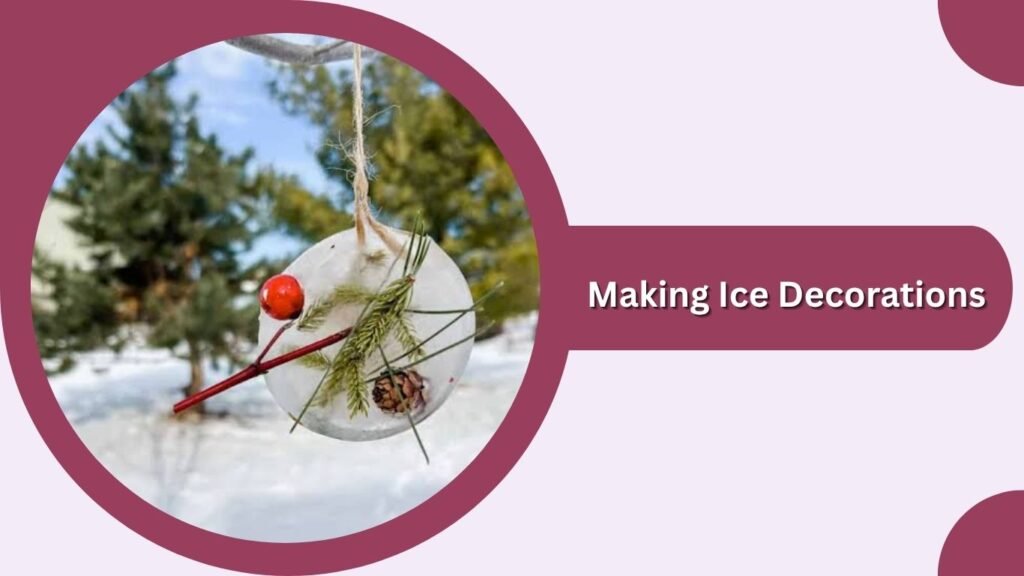
Making ice decorations is a fun and creative winter activity for kids that transforms ordinary water into beautiful frozen artwork. Children can use colorful containers, natural materials, and simple molds to create decorative ice ornaments for gardens, trees, and outdoor spaces. This hands-on activity encourages imagination, sensory exploration, and scientific curiosity. Whether creating colorful ice shapes or frozen nature ornaments, kids can enjoy discovering how water changes into ice while decorating their surroundings.
Materials Needed
- Water: Clean water for filling containers and creating frozen decorations.
- Plastic Molds: Silicone molds, shallow containers, or reusable plastic cups.
- Natural Decorations: Small leaves, flower petals, pine needles, and berries.
- Food Coloring: Optional child-safe coloring for creating vibrant ice decorations.
- String or Ribbon: Used to hang finished ice ornaments outdoors.
- Small Bowls: Helpful for mixing colors and arranging decorative materials.
- Freezer: Suitable for freezing decorations when outdoor temperatures are not cold enough.
- Winter Gloves: Protect children’s hands while handling frozen objects.
How to Make Ice Decorations
Start by gathering shallow containers or silicone molds in different shapes and sizes. Encourage children to place small leaves, flower petals, or other natural decorations inside each mold.Carefully pour water into the containers, leaving enough space for expansion during freezing. Add a small amount of food coloring if children want colorful ice ornaments.To create hanging decorations, position a loop of string so that part of it freezes securely inside the ice. Place the containers in a freezer or outdoors when temperatures remain below freezing.Once the water has frozen completely, gently remove the decorations from their molds. Children can hang their creations on sturdy outdoor branches or arrange them around a winter garden.
Learning and Development Benefits
Making ice decorations introduces children to basic scientific concepts, including freezing, melting, and changes in the state of matter. Watching liquid water transform into solid ice encourages curiosity and observation.Arranging decorative materials develops fine motor skills, hand-eye coordination, and creativity. Children also practice problem-solving as they experiment with different shapes, colors, and freezing methods.The activity encourages patience because children must wait for their creations to freeze. Comparing how decorations melt under different conditions can also introduce simple scientific experiments.
23. Snow Treasure Hunt

A snow treasure hunt is an exciting winter activity for kids that combines outdoor exploration, problem-solving, and imaginative play. Children can search for hidden objects beneath shallow snow, follow winter-themed clues, and discover small surprises while enjoying fresh air. This interactive activity encourages teamwork, observation, and physical movement. Whether organized in a backyard or a designated snowy play area, a snow treasure hunt provides an entertaining way to make winter days more adventurous and memorable.
Materials Needed
- Small Treasures: Colorful plastic toys, large decorative tokens, or weather-resistant surprises.
- Treasure Containers: Waterproof plastic boxes or reusable containers for protecting hidden items.
- Clue Cards: Laminated or waterproof cards containing simple hints and directions.
- Snow Shovels: Lightweight, child-friendly shovels for gently uncovering treasures.
- Colorful Flags: Useful for marking boundaries and identifying search areas.
- Treasure Map: A simple illustrated map showing possible hiding locations.
- Warm Clothing: Insulated jackets, snow pants, waterproof gloves, and winter boots.
- Small Baskets: Containers for carrying discovered treasures.
How to Organize a Snow Treasure Hunt
Begin by choosing a safe, flat outdoor area covered with soft snow. Establish clear boundaries and select several locations where treasures can be hidden.Place colorful toys or small waterproof containers beneath a shallow layer of snow. Avoid burying objects deeply, especially when younger children are participating.Create simple clue cards that direct kids toward different hiding spots. For younger children, use pictures or colorful markers to make the search easier. Older children can follow written riddles or a basic treasure map.
Learning and Development Benefits
Snow treasure hunts help children develop observation, critical-thinking, and problem-solving skills. Following clues encourages logical reasoning, memory, and the ability to recognize patterns.Walking through snow, bending, and gently digging support physical coordination and motor development. Reading clue cards can also improve literacy and comprehension. Team-based treasure hunts promote cooperation, communication, and shared decision-making. Children learn patience, persistence, and the importance of respecting rules.Completing the hunt provides a sense of accomplishment while encouraging imaginative outdoor play.
24. Winter Camping Indoors

Winter camping indoors is a fun and imaginative activity that allows kids to experience the excitement of camping without facing freezing temperatures. Children can build cozy tents, arrange sleeping bags, and enjoy storytelling or indoor camping games. This creative winter activity transforms an ordinary living room into an adventurous campsite while encouraging teamwork, independence, and imaginative play. Whether organized during a snowy weekend or a family game night, indoor camping creates wonderful memories for children of different ages.
Materials Needed
- Indoor Tent: A lightweight play tent or simple blanket fort for creating a camping shelter.
- Blankets: Soft blankets for warmth and comfortable seating.
- Sleeping Bags: Child-friendly sleeping bags or cozy bedding.
- Pillows: Comfortable cushions for relaxing inside the tent.
- Flashlights: Battery-powered flashlights for nighttime camping activities.
- Stuffed Animals: Favorite toys for creating a playful camping atmosphere.
- Camping Snacks: Simple snacks such as crackers, fruit, and sandwiches.
- Decorations: Paper stars, artificial campfire decorations, and battery-operated lanterns.
How to Enjoy Winter Camping Indoors
Start by choosing a spacious living room or playroom where children can safely set up their indoor campsite. Help kids assemble a lightweight tent or create a simple blanket shelter using sturdy furniture and soft materials.Arrange sleeping bags, pillows, and blankets inside the tent to make the space comfortable. Add battery-powered lanterns and paper stars to create a cozy camping atmosphere.Encourage children to participate in activities such as storytelling, reading adventure books, playing camping games, or organizing a pretend wildlife exploration.For extra excitement, create an artificial campfire using colored paper and battery-operated lights. Families can enjoy indoor picnic snacks, sing camping songs, or tell imaginative winter adventure stories.
Learning and Development Benefits
Winter camping indoors encourages creativity, imagination, and independent thinking. Designing a campsite helps children develop planning, organization, and problem-solving skills.Setting up tents and arranging camping supplies supports coordination and spatial awareness. Participating in pretend camping adventures also strengthens storytelling and communication abilities.Group activities encourage teamwork, sharing, and cooperation. Children learn to follow instructions, take responsibility for simple tasks, and work together to create an enjoyable experience.Indoor camping can also help children become familiar with basic camping concepts before participating in outdoor adventures.
25. Winter Science Experiments

Winter science experiments are exciting educational activities that allow kids to explore seasonal changes through hands-on discovery. Children can investigate freezing water, melting ice, creating frost-like patterns, and observing how different materials react to cold temperatures. These simple experiments combine entertainment with scientific learning while encouraging curiosity and problem-solving. Whether conducted indoors or in a snowy backyard, winter science activities provide an enjoyable way to introduce children to basic scientific concepts during the colder months.
Materials Needed
- Ice Cubes: For exploring melting, temperature, and changes in matter.
- Water: Clean water for freezing and melting experiments.
- Plastic Containers: Small bowls, cups, and trays for holding experiment materials.
- Food Coloring: Child-safe colors for observing changes in water and ice.
- Salt: Useful for exploring how salt affects ice melting.
- Thermometer: A child-friendly thermometer for observing temperature differences.
- Magnifying Glass: For examining ice crystals and frozen patterns.
- Paper and Pencils: For recording observations and experiment results.
- Towels: Helpful for cleaning water spills and keeping the workspace dry.
How to Enjoy Winter Science Experiments
Start by choosing a simple winter experiment suitable for children’s ages. One easy activity involves placing equal-sized ice cubes in separate containers and comparing how quickly they melt in different locations.Children can place one ice cube in a cool area and another in a warmer indoor location. Encourage them to observe the changes and record which ice cube melts first.Another interesting experiment involves sprinkling a small amount of salt onto ice cubes. Kids can watch how salt changes the melting process and compare the results with untreated ice.For a colorful activity, place a few drops of food coloring onto ice and observe how the liquid spreads through melting channels.
Learning and Development Benefits
Winter science experiments introduce children to important scientific concepts such as freezing, melting, temperature, and the states of matter. Observing physical changes encourages curiosity and critical thinking.Making predictions and comparing experiment results helps kids develop problem-solving and reasoning skills. Measuring water, observing temperatures, and recording findings introduce early mathematical and scientific methods.Hands-on experiments also strengthen concentration, patience, and observation abilities. Children learn that scientific discovery involves asking questions, testing ideas, and examining evidence.Working with friends or family encourages communication, cooperation, and shared learning.
26. Decorating Gingerbread Houses

Decorating gingerbread houses is a fun and creative winter activity for kids that combines baking, imagination, and hands-on artistic expression. Children can transform simple gingerbread structures into colorful winter cottages using icing, candies, and edible decorations. This enjoyable indoor activity encourages creativity, patience, and teamwork while bringing families together during cold winter days. Whether using a ready-made gingerbread house kit or homemade gingerbread pieces, kids can enjoy designing their own festive masterpieces.
Materials Needed
- Gingerbread House Kit: A ready-made kit or homemade gingerbread panels for building the house.
- Royal Icing: Thick icing for joining gingerbread pieces and attaching decorations.
- Colorful Candies: Small sweets for decorating roofs, windows, and doors.
- Sprinkles: Edible decorations for adding colorful patterns.
- Mini Marshmallows: Useful for creating snowy rooftops and winter landscapes.
- Pretzel Sticks: Perfect for making fences, doors, and decorative structures.
- Piping Bags: Child-friendly bags for applying icing.
- Decorating Tray: A sturdy tray or cardboard base for supporting the gingerbread house.
How to Decorate Gingerbread Houses
Start by preparing a clean table and arranging gingerbread pieces, icing, and edible decorations. If using a homemade house, an adult should prepare and cool the gingerbread panels before children begin decorating.Help kids assemble the gingerbread structure using thick royal icing. Allow enough time for the icing to set so the house remains stable during decoration.Encourage children to decorate the roof with colorful candies, create windows using icing, and add miniature fences with pretzel sticks. They can also use marshmallows to imitate snow around the house.For additional fun, organize a friendly decorating challenge where children design different winter cottages or create a miniature gingerbread village.
Learning and Development Benefits
Decorating gingerbread houses helps children develop fine motor skills, hand-eye coordination, and concentration. Applying icing and arranging small decorations encourages careful hand movements and precision.This activity also supports creativity, imagination, and problem-solving. Children experiment with different colors, patterns, and decorative arrangements while learning about basic shapes and structures.Working together encourages teamwork, communication, and patience. Completing a decorated gingerbread house can build confidence and provide a rewarding sense of accomplishment.
27. Snowshoeing

Snowshoeing is an adventurous winter activity for kids that allows them to explore snowy landscapes while enjoying fresh air and physical exercise. Using specially designed snowshoes, children can walk across snow-covered trails, parks, and open spaces without sinking as deeply into the snow. This outdoor activity encourages exploration, balance, and appreciation for nature. Whether following a short family-friendly trail or discovering winter wildlife, snowshoeing provides an exciting way for children to experience snowy environments.
Materials Needed
- Kids’ Snowshoes: Lightweight, properly sized snowshoes designed for children’s weight and abilities.
- Winter Boots: Waterproof, insulated boots that fit securely into snowshoe bindings.
- Warm Jackets: Insulated outerwear to protect children from cold temperatures.
- Snow Pants: Waterproof pants for maintaining warmth and comfort.
- Winter Gloves: Insulated gloves or mittens for protecting hands.
- Winter Hats: Warm hats that cover the head and ears.
- Water Bottles: Drinking water to maintain hydration during outdoor activities.
- Small Backpack: Useful for carrying snacks, extra clothing, and essential supplies.
How to Enjoy Snowshoeing
Begin by selecting a safe, beginner-friendly snowshoeing trail with gentle terrain and clearly marked pathways. Help children put on properly fitted snowshoes and check that the bindings are secure.Encourage kids to practice walking slowly across a flat, snow-covered area before starting a longer trail. Explain that they may need to keep their feet slightly farther apart than usual to prevent the snowshoes from overlapping.Once children become comfortable, guide them along a short route where they can observe snowy trees, animal footprints, and winter landscapes.Introduce simple challenges such as identifying different tree species or spotting signs of wildlife. Allow children to set a comfortable walking pace and take breaks whenever necessary.
Learning and Development Benefits
Snowshoeing helps children improve balance, coordination, and physical endurance. Walking through snow strengthens leg muscles and encourages healthy outdoor movement.The activity also develops spatial awareness as children learn to navigate uneven surfaces and adjust their walking techniques.Exploring winter trails introduces basic environmental concepts, including seasonal changes, wildlife habitats, and snow conditions. Children can improve observation and problem-solving skills while discovering their surroundings.Family snowshoeing adventures promote teamwork, communication, and confidence. Completing a short trail can provide children with a sense of accomplishment and encourage continued interest in outdoor recreation.
28. Winter-Themed Puzzle Games

Winter-themed puzzle games are fun and educational indoor activities that keep kids entertained during cold winter days. Children can solve snowflake puzzles, complete winter word searches, and assemble colorful pictures featuring snowy landscapes and winter animals. This engaging activity encourages problem-solving, concentration, and logical thinking while providing screen-free entertainment. Whether playing independently or with family members, winter puzzle games offer an enjoyable way to develop important cognitive skills.
Materials Needed
- Winter Jigsaw Puzzles: Age-appropriate puzzles featuring snowmen, snowflakes, and winter landscapes.
- Word Search Worksheets: Printable winter-themed word puzzles for practicing vocabulary.
- Matching Cards: Picture cards featuring winter clothing, animals, and seasonal objects.
- Maze Worksheets: Simple winter mazes for improving concentration and problem-solving.
- Colored Pencils: Useful for completing puzzles and marking answers.
- Puzzle Boards: Flat surfaces for organizing and assembling puzzle pieces.
- Timer: An optional tool for creating friendly puzzle challenges.
- Storage Containers: Small boxes for keeping puzzle pieces organized.
How to Play Winter-Themed Puzzle Games
Start by selecting puzzles that match children’s ages and abilities. Younger kids may enjoy large-piece jigsaw puzzles featuring colorful snowmen or winter animals, while older children can explore challenging word searches, picture puzzles, and mazes.Set up a comfortable indoor activity area with enough space for arranging puzzle pieces. Encourage children to examine colors, shapes, and patterns before beginning.For additional excitement, organize a winter puzzle challenge where kids complete different activities at separate stations. They can solve a snowflake maze, match winter objects, or assemble a snowy landscape picture.Allow children to work independently or cooperate in small groups to complete more challenging puzzles.
Learning and Development Benefits
Winter-themed puzzle games help children improve concentration, memory, and critical-thinking skills. Matching shapes and recognizing patterns strengthen visual perception and spatial reasoning.Jigsaw puzzles also develop fine motor skills and hand-eye coordination as children carefully position pieces. Word searches introduce new vocabulary and improve spelling recognition.Completing puzzles encourages patience, persistence, and problem-solving. Group activities promote teamwork, communication, and cooperation.Children gain confidence as they successfully complete challenges and gradually progress to more difficult puzzles.
29. Making Homemade Play Snow
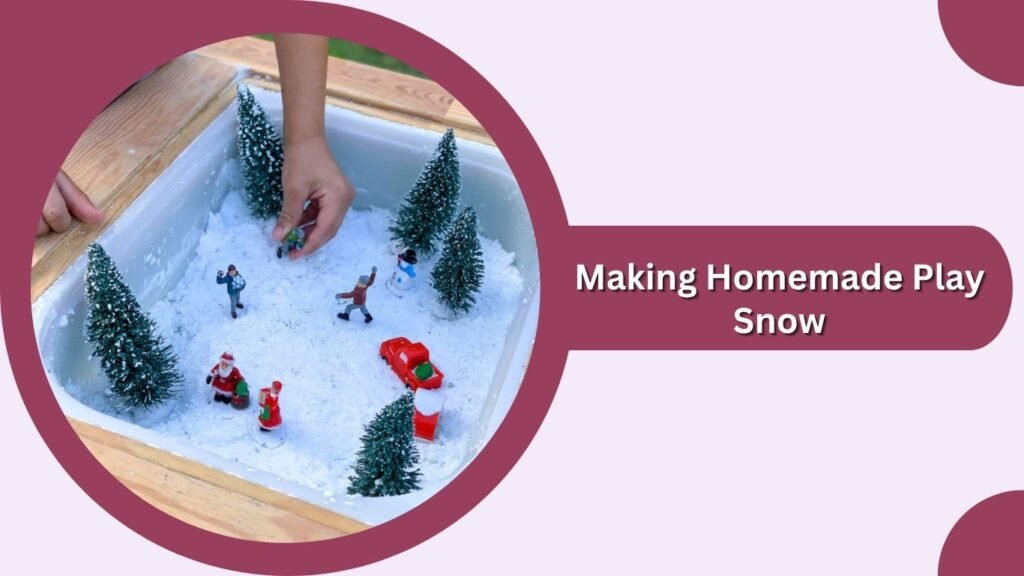
Making homemade play snow is a creative indoor winter activity that allows kids to experience snow-like textures without going outside. Using simple household ingredients, children can create soft, fluffy sensory material for building miniature snowmen, shaping snowballs, and designing pretend winter landscapes. This affordable activity encourages imagination, hands-on exploration, and fine motor development. Whether living in a snowy region or a warmer climate, homemade play snow provides an entertaining way to bring winter fun indoors.
Materials Needed
- Baking Soda: A common household ingredient for creating a soft, snow-like texture.
- Water: Used in small amounts to help the mixture hold its shape.
- Mixing Bowl: A large plastic bowl for combining the ingredients.
- Measuring Cups: Useful for measuring baking soda and water.
- Plastic Spoon: For stirring and combining the mixture.
- Sensory Tray: A shallow container for holding the homemade snow.
- Snow Molds: Small plastic molds for creating winter shapes.
- Toy Animals: Age-appropriate winter animal figures for imaginative play.
- Towels: For cleaning the activity area after play.
How to Make Homemade Play Snow
Start by preparing a clean activity table and placing a large mixing bowl in the center. Add approximately two cups of baking soda to the bowl.Slowly mix in a few tablespoons of water, adding small amounts until the mixture becomes slightly damp and crumbly. The finished texture should resemble soft snow that can be pressed into simple shapes.Transfer the homemade snow into a shallow sensory tray. Encourage children to use their hands, plastic spoons, or small molds to create miniature snowballs, snowmen, and winter landscapes.For additional excitement, add toy penguins, polar bears, or other winter-themed figures to create an imaginative Arctic play scene.
Learning and Development Benefits
Making homemade play snow supports sensory development by allowing children to explore different textures through touch and movement. Squeezing, shaping, and scooping the mixture strengthens fine motor skills and hand-eye coordination.Measuring ingredients introduces early mathematical concepts, including quantities and proportions. Observing how water changes the texture encourages curiosity and basic scientific thinking.Creating miniature snow structures promotes imagination, creativity, and problem-solving. Group sensory play also encourages sharing, communication, and cooperation.The activity provides opportunities for independent exploration while helping children develop concentration and confidence.
30. Winter Movie Night

Winter movie night is a cozy and entertaining indoor activity that brings kids and families together during cold winter evenings. Children can enjoy favorite animated movies, winter adventures, or seasonal family films while relaxing with blankets and homemade snacks. This simple activity creates a warm atmosphere and encourages family bonding without requiring expensive equipment. Whether organizing a weekend movie marathon or a special winter-themed evening, kids can enjoy memorable moments filled with laughter and imagination.
Materials Needed
- Family-Friendly Movies: Age-appropriate animated films, winter adventures, or seasonal stories.
- Television or Projector: A suitable screen for enjoying movies comfortably.
- Cozy Blankets: Soft blankets for creating a warm seating arrangement.
- Comfortable Pillows: Cushions for relaxing during the movie.
- Popcorn: A classic movie snack for children old enough to eat it safely.
- Hot Chocolate: A warm winter drink served at a safe temperature.
- Snack Bowls: Reusable containers for serving favorite treats.
- Decorations: Paper snowflakes, battery-operated lanterns, and winter-themed accessories.
How to Organize a Winter Movie Night
Start by selecting a family-friendly movie that matches children’s ages and interests. Consider animated winter adventures, stories about friendship, or seasonal films featuring snowy landscapes.Create a comfortable viewing area using blankets, pillows, and soft lighting. Arrange seating so everyone can see the screen without sitting too close.Prepare simple snacks and warm drinks before starting the movie. Older children can help arrange snack bowls, choose decorations, and organize the viewing area.For additional fun, invite kids to create homemade movie tickets or design a winter-themed snack menu. Allow family members to take turns selecting movies during different gatherings.After the movie, encourage children to share their favorite characters, memorable scenes, or lessons from the story.
Learning and Development Benefits
Winter movie nights encourage family bonding, communication, and shared experiences. Watching stories together provides opportunities for children to discuss emotions, relationships, and different situations.Age-appropriate movies can support listening comprehension, vocabulary development, and storytelling skills. Discussing characters and events encourages critical thinking and imagination.Organizing the movie night also teaches basic planning and responsibility. Children can practice making choices, preparing simple snacks, and helping arrange a comfortable environment.Family discussions after the movie strengthen communication skills and encourage children to express their thoughts and opinions.
FAQs
1. What Are the Best Winter Activities for Kids?
The best winter activities for kids include building snowmen, sledding, ice skating, snow painting, and winter scavenger hunts. Indoor activities such as making paper snowflakes, baking cookies, and winter crafts are also great options for keeping children entertained.
2. What Are Some Fun Indoor Winter Activities for Kids?
Fun indoor winter activities include making homemade play snow, building blanket forts, decorating gingerbread houses, solving winter puzzles, and organizing family movie nights. These activities encourage creativity, learning, and family bonding during cold weather.
3. What Outdoor Winter Activities Are Suitable for Young Kids?
Building snowmen, making snow angels, winter nature walks, and simple snow treasure hunts are enjoyable outdoor activities for young children. Choose age-appropriate activities, provide warm waterproof clothing, and ensure adult supervision.
4. How Can I Keep Kids Active During Winter?
You can keep kids active during winter through sledding, snowshoeing, ice skating, and supervised outdoor snow games. On extremely cold days, indoor obstacle courses, dancing, and active winter-themed games provide opportunities for physical movement.
5. What Are Some Budget-Friendly Winter Activities for Kids?
Budget-friendly winter activities include making paper snowflakes, building snowmen, creating snow angels, winter bird watching, and organizing indoor scavenger hunts. Most require simple household supplies or materials found outdoors, making them affordable ways to keep kids engaged and entertained.
