

Crafting is a wonderful way to keep toddlers entertained while encouraging creativity, imagination, and early learning. From colorful finger painting to adorable paper animal crafts, simple hands-on activities help little ones develop fine motor skills, hand-eye coordination, and sensory awareness. The best part is that most projects require only a few affordable materials already available at home. In this guide, explore 10 easy crafts for toddlers that are fun, educational, budget-friendly, and perfect for enjoying creative moments together.
1. Finger Painting Art

Finger painting is one of the easiest and most enjoyable crafts for toddlers. It allows little ones to explore colors, textures, and creativity using their hands. This fun activity encourages sensory exploration while helping toddlers develop fine motor skills and hand-eye coordination. With a few simple materials, parents can create an exciting art experience at home.
Materials Needed
- Washable, non-toxic finger paints
- Large sheets of white paper
- Plastic tray or washable table cover
- Old clothes or painting apron
- Wet wipes or a damp towel
- Small containers for different paint colors
How to Make Finger Painting Art
Start by covering the workspace with a washable tablecloth. Place a large sheet of paper in front of your toddler and add small amounts of colorful finger paint. Encourage your child to dip their fingers into the paint and create different patterns, shapes, and colorful designs.
Let toddlers experiment with mixing colors and making handprints. Allow the artwork to dry completely before displaying it.
Learning Benefits
Finger painting helps toddlers recognize colors, improve finger movements, and develop creativity. It also strengthens sensory awareness through different textures and encourages self-expression without complicated instructions.
Safety Tips
Always choose age-appropriate, non-toxic paints and supervise toddlers throughout the activity. Avoid small accessories that could cause choking. Ensure children do not put paint in their mouths, and wash their hands thoroughly afterward.
2. Paper Plate Animal Crafts
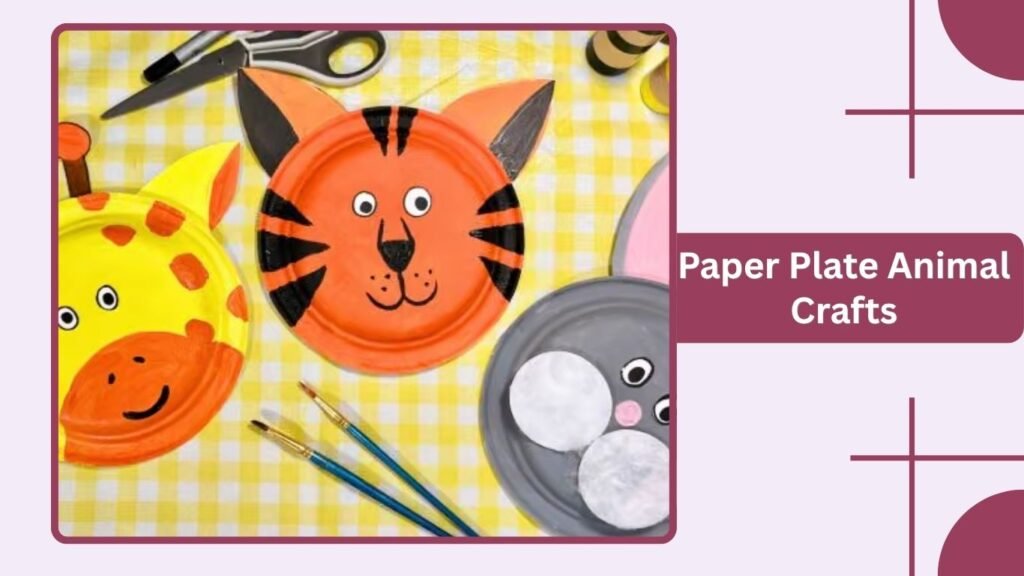
Paper plate animal crafts are a fun and affordable activity that allows toddlers to create their favorite animals using everyday materials. From cheerful lions to adorable bears, this simple craft encourages imagination, creativity, and hands-on learning. Toddlers can explore different colors, shapes, and animal features while improving their coordination and artistic skills.
Materials Needed
- White paper plates
- Washable, non-toxic paints
- Colored construction paper
- Large washable markers
- Child-safe glue sticks
- Safety scissors for adult use
- Large paper animal features
How to Make Paper Plate Animal Crafts
Start by choosing an animal your toddler loves, such as a lion, bear, or bunny. Paint or color the paper plate to match the animal. For example, use yellow paint for a lion or brown for a bear.
An adult can cut out large paper ears, noses, and other features. Help your toddler attach these pieces using a glue stick. Draw the eyes and mouth with washable markers to complete the animal’s face.
Learning Benefits
This activity introduces toddlers to animal recognition, colors, and basic shapes. It also encourages creative thinking and improves hand-eye coordination. Talking about each animal’s sounds and characteristics can support early language development.
Safety Tips
Always supervise toddlers while crafting. Adults should handle scissors and prepare large paper pieces. Avoid small decorations, loose googly eyes, and other choking hazards. Use only age-appropriate, non-toxic materials.
3. Handprint Flower Craft

Handprint flower crafts are a wonderful way for toddlers to create colorful artwork while exploring their creativity. Using their painted hands, children can make beautiful flower shapes on paper. This easy craft is perfect for spring activities, homemade greeting cards, or special family keepsakes. It also provides an enjoyable sensory experience.
Materials Needed
- Large sheets of white paper
- Washable, non-toxic finger paints
- Green washable markers
- Paintbrushes
- Shallow paint tray
- Protective table covering
- Damp towel for cleaning
How to Make Handprint Flowers
Begin by spreading washable paint across your toddler’s palm and fingers. Gently guide their hand onto a sheet of paper to create a colorful flower shape. Lift the hand carefully to reveal the print.
Use a green marker or paintbrush to draw a stem and leaves beneath the handprint. Repeat the process with different colors to create a beautiful flower garden. Let the artwork dry before displaying it.
Learning Benefits
Handprint flower crafts help toddlers develop sensory awareness, color recognition, and creative expression. Pressing their hands onto paper also supports body awareness and coordination. Children can learn basic flower parts through simple conversations during the activity.
Safety Tips
Choose toddler-safe, non-toxic, washable paints. Keep paint away from children’s mouths and eyes. Supervise the entire activity, and wash hands thoroughly afterward to prevent accidental paint ingestion.
4. Cotton Ball Cloud Craft

Cotton ball cloud crafts are a simple sensory activity that introduces toddlers to weather and different textures. Children can create fluffy white clouds using soft cotton balls and colorful construction paper. This easy indoor craft encourages imagination while providing an opportunity to discuss clouds, rain, and changing weather conditions.
Materials Needed
- Large sheets of blue construction paper
- Soft cotton balls
- Child-safe glue sticks
- White washable crayons
- Large paper raindrop cutouts
- Washable markers
- Protective table covering
How to Make Cotton Ball Clouds
Place a sheet of blue construction paper on a flat surface. Draw a large cloud outline near the top of the page. Show your toddler how to spread glue inside the cloud shape and press cotton balls onto the paper.
Continue adding cotton until the cloud looks fluffy and full. For a rainy-day scene, attach large paper raindrops beneath the cloud. Allow the glue to dry before hanging the finished artwork.
Learning Benefits
This activity helps toddlers explore soft textures while developing fine motor coordination. It also introduces basic weather concepts and encourages curiosity about the natural world. Pressing cotton onto paper strengthens hand movements and supports early creative development.
Safety Tips
Cotton balls can pose a choking risk if toddlers put them in their mouths. Maintain close supervision, use large materials, and avoid this craft with children who frequently mouth objects. Clean up loose cotton immediately.
5. Tissue Paper Butterfly Craft

Tissue paper butterfly crafts provide toddlers with an exciting opportunity to explore colors, shapes, and simple art techniques. Using colorful tissue paper, children can create beautiful butterfly wings with unique patterns. This cheerful activity works well for springtime crafting, nature lessons, and creative play at home.
Materials Needed
- Large butterfly-shaped paper cutouts
- Colorful tissue paper sheets
- Child-safe glue sticks
- Washable crayons
- White construction paper
- Large paper antennae
- Protective work surface
How to Make Tissue Paper Butterflies
Begin by preparing a large butterfly shape from construction paper. Tear colorful tissue paper into manageable pieces, or let your toddler help tear larger sheets.
Encourage your child to spread glue across the butterfly’s wings and press different tissue paper colors onto the surface. Create matching patterns on both wings or allow completely random designs.
Draw the butterfly’s body and antennae to finish the artwork. Let it dry before displaying it.
Learning Benefits
Tissue paper crafts encourage color recognition, creativity, and fine motor development. Tearing and pressing paper can improve finger coordination. Children can also learn about butterflies, wing patterns, and the importance of insects in nature.
Safety Tips
Always supervise toddlers when handling tissue paper and glue. Use large paper pieces instead of tiny decorations. Choose non-toxic supplies, and ensure children do not put paper or glue in their mouths.
6. Sponge Painting Shapes

Sponge painting shapes is an easy and colorful craft that introduces toddlers to basic geometric patterns. Using soft sponges dipped in washable paint, children can stamp circles, squares, and triangles onto paper. This hands-on activity combines creativity with early shape recognition, making it both entertaining and educational.
Materials Needed
- Large soft sponges
- Washable, non-toxic paints
- Large white paper sheets
- Shallow paint trays
- Protective table covering
- Old clothes or painting apron
- Damp towel for cleaning
How to Make Sponge Painting Shapes
An adult should cut large sponges into simple shapes, including circles, squares, triangles, and rectangles. Pour small amounts of different paint colors into shallow trays.
Show your toddler how to dip a sponge lightly into paint and press it onto paper. Encourage them to experiment with colorful patterns and overlapping shapes.
Name each shape as they stamp it. Allow the completed painting to dry before displaying it.
Learning Benefits
Sponge painting introduces toddlers to basic shapes, colors, and simple patterns. Gripping and pressing sponges strengthens hand muscles while improving coordination. The activity also encourages imagination, sensory exploration, and early problem-solving through creative experimentation.
Safety Tips
Use large sponge pieces that cannot easily fit inside a toddler’s mouth. Adults should cut the shapes beforehand. Choose non-toxic paints, supervise closely, and clean the workspace after finishing.
7. Paper Cup Animal Craft

Paper cup animal crafts are a creative and budget-friendly activity that transforms ordinary paper cups into adorable animals. Toddlers can make colorful cats, dogs, rabbits, and other favorite creatures using simple craft materials. This hands-on activity encourages imagination while introducing children to animal features, colors, and shapes.
Materials Needed
- Large, sturdy paper cups
- Washable, non-toxic paints
- Colored construction paper
- Child-safe glue sticks
- Washable markers
- Large paper ear cutouts
- Protective table covering
How to Make Paper Cup Animals
Start by choosing an animal your toddler wants to create. Paint the outside of a paper cup using an appropriate color. For example, choose brown for a bear or orange for a cat.
Allow the paint to dry before decorating. An adult can prepare large paper ears and other animal features. Help your toddler attach them to the cup using a glue stick.
Draw the animal’s eyes, nose, and mouth with washable markers to complete the design.
Learning Benefits
Paper cup animal crafts support creativity, hand-eye coordination, and basic animal recognition. Toddlers can practice identifying colors, facial features, and animal sounds while decorating their creations.
Safety Tips
Always supervise toddlers during crafting. Avoid small decorations, loose googly eyes, and sharp tools. Use sturdy paper cups and age-appropriate supplies to create a safer crafting experience.
8. Pom-Pom Caterpillar Craft

Pom-pom caterpillar crafts introduce toddlers to colorful insects through a playful art activity. Children can create bright caterpillar designs using soft pom-poms and simple paper materials. This activity encourages creativity, color recognition, and early nature learning while providing an opportunity to explore different textures.
Materials Needed
- Large toddler-safe pom-poms
- Thick construction paper
- Child-safe glue
- Washable markers
- Large paper circle cutouts
- Protective table covering
- Crayons for decorating
How to Make a Pom-Pom Caterpillar
Begin by drawing a curved caterpillar outline on construction paper. Arrange colorful pom-poms along the outline to represent the caterpillar’s body.
Help your toddler apply glue and attach the pom-poms one at a time. Use washable markers to draw a smiling face and simple antennae on a large paper head.
Encourage your child to experiment with different colors and patterns. Leave the finished caterpillar flat until the glue dries completely.
Learning Benefits
This craft supports color recognition, creativity, and hand-eye coordination. Toddlers can practice identifying patterns and learn about caterpillars and butterflies through simple conversations.
Safety Tips
Small or detachable pom-poms can be choking hazards. This activity is unsuitable for toddlers who mouth objects. Use securely attached, oversized materials only with close supervision, or substitute large paper circles for a safer option.
9. Toilet Paper Roll Stamping

Toilet paper roll stamping is an easy and inexpensive craft that turns everyday cardboard tubes into creative painting tools. Toddlers can make colorful circles, flowers, and simple patterns by dipping cardboard rolls into washable paint. This activity encourages artistic exploration while teaching children about shapes and colors.
Materials Needed
- Clean cardboard toilet paper rolls
- Washable, non-toxic paints
- Large white paper sheets
- Shallow paint trays
- Protective table covering
- Old clothes or painting apron
- Damp cloth for cleaning
How to Make Toilet Paper Roll Stamps
Start by placing small amounts of colorful paint into shallow trays. Show your toddler how to dip one end of a cardboard tube into the paint.
Gently press the painted end onto a large sheet of paper to create circular stamps. Repeat the process using different colors to form interesting patterns.
Adults can reshape the tube ends into simple heart or oval shapes for additional designs. Allow the finished painting to dry before displaying it.
Learning Benefits
This activity improves hand-eye coordination, fine motor control, and shape recognition. Toddlers can explore color combinations while developing creativity and basic pattern-making skills.
Safety Tips
Use clean, sturdy cardboard tubes without staples or sharp edges. Ensure toddlers cannot tear off and swallow cardboard pieces. Always supervise painting and choose washable, non-toxic materials.
10. Colorful Paper Collage Craft

Colorful paper collage crafts are an enjoyable way for toddlers to explore creativity using different colors and paper textures. Children can arrange and attach pieces of construction paper to create unique artwork. This simple activity encourages independent artistic expression while supporting important early developmental skills.
Materials Needed
- Large construction paper sheets
- Colorful paper pieces
- Child-safe glue sticks
- Washable crayons
- Large paper shape cutouts
- Protective table covering
- Thick white paper for the background
How to Make a Colorful Paper Collage
Begin by preparing large pieces of colorful construction paper. Adults can cut out circles, squares, triangles, and other simple shapes beforehand.
Give your toddler a large sheet of paper and encourage them to arrange different shapes across the surface. Show them how to apply glue and press each piece firmly into place.
Let children experiment with overlapping colors and creating their own designs. Once finished, allow the collage to dry completely.
Learning Benefits
Paper collage crafts help toddlers recognize shapes, colors, and patterns. Picking up and arranging paper strengthens fine motor skills and supports hand-eye coordination. The activity also encourages creative thinking and independent decision-making.
Safety Tips
Use large paper pieces to reduce choking risks. Adults should handle scissors and prepare the materials before starting. Choose non-toxic glue, supervise closely, and prevent toddlers from putting craft supplies in their mouths.
FAQs
1. What are the easiest crafts for toddlers?
Finger painting, sponge stamping, handprint flowers, and paper collages are among the easiest crafts for toddlers. These activities require only a few affordable materials and simple instructions. They also encourage creativity, sensory exploration, and fine motor development through supervised play.
2. What age can toddlers start doing crafts?
Many toddlers can begin simple, supervised crafting activities around 12–18 months, depending on their development. Activities such as finger painting and large-paper collage work well with appropriate materials. Choose projects based on individual abilities and avoid supplies that create choking hazards.
3. How long should a toddler craft activity last?
Most toddler craft activities can last approximately 10–20 minutes, depending on the child’s age, interest, and attention span. Younger toddlers may enjoy shorter sessions. Keeping activities flexible, playful, and pressure-free helps children stay engaged without becoming frustrated or overwhelmed.
4. What materials are safe for toddler crafts?
Washable, non-toxic paints, large sheets of paper, thick crayons, and age-appropriate glue are useful materials for toddler crafts. Avoid small beads, loose decorations, sharp tools, and easily swallowed objects. Always check product age recommendations and supervise children throughout the activity.
5. How do crafts help toddler development?
Crafts support toddler development by improving fine motor skills, hand-eye coordination, creativity, and sensory awareness. Activities involving colors, shapes, and textures also encourage early learning. Crafting together provides opportunities for communication, problem-solving, and building confidence through hands-on exploration.
