

Choosing the perfect gift can be challenging, especially when shopping for people of different ages. A present that excites a toddler may not interest a teenager, while adults and seniors often appreciate gifts that match their lifestyles and personal interests. Understanding how to choose gifts by age helps you find meaningful, practical, and enjoyable presents for everyone. From educational toys for children to personalized gifts for adults, this guide explains how to select age-appropriate gifts that make birthdays, holidays, and special occasions more memorable.
Why Is Age Important When Choosing a Gift?
Age plays an important role in determining what makes a gift enjoyable, useful, and appropriate. People’s interests, abilities, responsibilities, and lifestyles change as they grow older. A thoughtful gift should reflect these differences while considering individual preferences. Understanding age-related needs can also help you avoid unsuitable products and select presents that offer lasting value.
Understanding Different Age Groups
Children generally enjoy gifts that encourage imagination, learning, and physical activity. Teenagers often prefer presents connected to their hobbies, friendships, and personal identities. Adults may appreciate practical products, memorable experiences, or items that make daily life easier.
Balancing Age and Personal Interests
Age should guide your selection rather than completely determine it. Two people of the same age may enjoy very different activities, so considering their hobbies, personalities, and preferences helps you choose a more meaningful present.
How to Choose Gifts for Babies and Toddlers (0–3 Years)
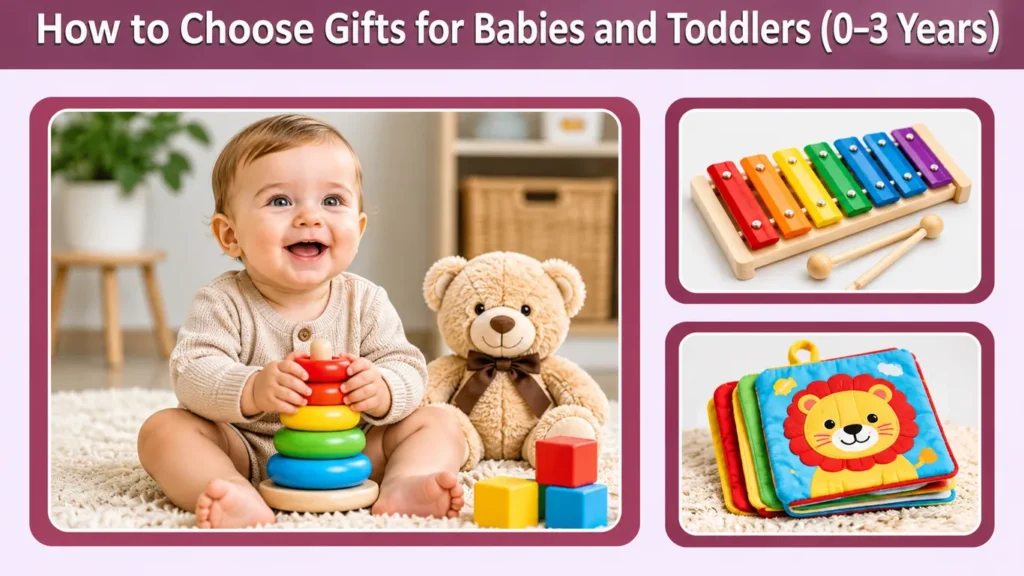
Babies and toddlers develop rapidly during their first three years, making safety and developmental suitability essential when selecting gifts. At this age, children explore the world through movement, sounds, colors, and touch. The best presents encourage sensory exploration and early learning while avoiding small detachable pieces, sharp edges, and other potential hazards.
Best Gift Ideas for Babies and Toddlers
- Soft Fabric Books: Encourage early reading habits through colorful pictures and different textures.
- Stacking Cups: Help toddlers practice coordination, problem-solving, and motor skills.
- Large Building Blocks: Support creativity and hand-eye coordination during playtime.
- Musical Toys: Introduce children to sounds, rhythm, and basic musical exploration.
- Plush Animals: Provide comforting companions when appropriately designed for the child’s age.
Always check manufacturer age recommendations and product safety information. Avoid toys with accessible button batteries, strong loose magnets, or small parts that could cause choking.
How to Choose Gifts for Preschoolers (4–5 Years)
Preschoolers are naturally curious and enjoy experimenting with creative activities, imaginative games, and simple challenges. Gifts for this age group should support growing independence while encouraging learning through play. Colorful art materials, beginner puzzles, and pretend-play accessories are excellent choices because they combine entertainment with opportunities to develop communication, coordination, and problem-solving skills.
Creative and Educational Gift Ideas
- Art Supplies: Washable crayons, coloring books, and child-safe paints encourage creativity.
- Pretend-Play Sets: Toy kitchens, doctor kits, and play shops inspire imaginative storytelling.
- Beginner Puzzles: Age-appropriate puzzles develop concentration and logical thinking.
- Picture Books: Illustrated stories introduce vocabulary and encourage reading.
- Outdoor Play Equipment: Age-appropriate balls and balance activities support active play.
Choose durable products with easy-to-follow instructions. Gifts that children can enjoy independently or with family members often provide additional entertainment and learning opportunities.
How to Choose Gifts for School-Age Kids (6–12 Years)
School-age children begin developing more specific interests, including sports, science, reading, crafts, technology, and collecting. Their increasing independence allows them to explore more challenging activities and creative projects. Choosing gifts that match their abilities can help build confidence and encourage new skills while ensuring the experience remains enjoyable rather than overly complicated.
Gifts That Encourage Learning and Creativity
Educational presents can be especially rewarding for school-age children because they encourage exploration beyond classroom activities. Science kits, construction sets, art projects, and beginner musical instruments provide opportunities to discover personal talents.
For younger children, choose straightforward activities with clear instructions. Older children may enjoy advanced construction projects, coding games, or detailed craft kits that require more patience and planning.
Gifts for Active and Social Kids
Sports equipment, board games, bicycles, and outdoor adventure accessories can encourage physical activity and social interaction. Consider the child’s favorite activities and available space before selecting larger products.
Appropriate protective equipment should accompany activities that require it. A well-matched gift can inspire children to develop hobbies that remain enjoyable for years.
How to Choose Gifts for Teenagers (13–17 Years)
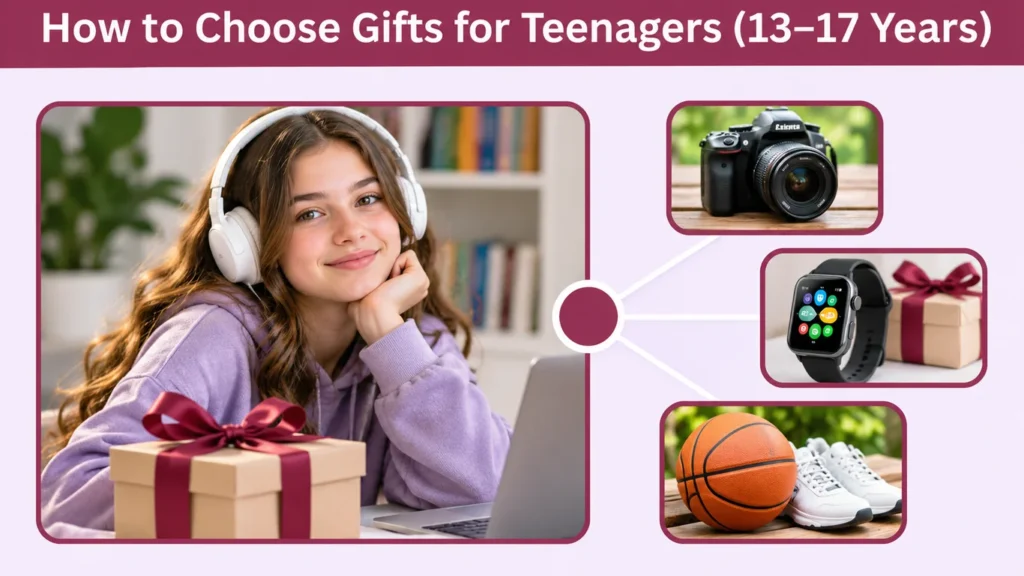
Teenagers often develop strong preferences for fashion, entertainment, technology, sports, and creative hobbies. They usually appreciate gifts that reflect their personalities and provide greater independence. Instead of relying entirely on age-based trends, consider their current interests, favorite activities, and personal style. Thoughtful choices can make teenagers feel understood without appearing overly childish or unnecessarily expensive.
Popular Gift Ideas for Teenagers
- Wireless Headphones: Useful for listening to music, studying, and entertainment.
- Fashion Accessories: Backpacks, watches, and jewelry can complement personal style.
- Creative Hobby Kits: Photography, painting, or crafting supplies encourage self-expression.
- Sports Accessories: Equipment related to favorite sports supports active lifestyles.
- Experience Gifts: Concert tickets, workshops, or suitable adventure activities create memories.
When uncertain about preferences, ask about their wish list or choose a gift card for a store they genuinely enjoy. This approach provides flexibility without sacrificing thoughtfulness.
How to Choose Gifts for Young Adults (18–30 Years)
Young adults often experience major life transitions, including higher education, starting careers, moving into new homes, and developing independent lifestyles. Gifts that combine usefulness with personal enjoyment can be particularly meaningful during this period. Consider their daily routines, financial responsibilities, hobbies, and future goals when choosing something that supports their changing needs.
Practical Gifts for Everyday Life
Useful presents might include quality backpacks, desk accessories, kitchen appliances, or home organization products. Students and young professionals may appreciate items that improve productivity or simplify their routines.
However, practical does not need to mean boring. Selecting attractive designs, favorite colors, or personalized details can make everyday products feel special.
Experience-Based Gifts for Young Adults
Cooking classes, weekend activities, travel experiences, and hobby workshops offer opportunities to explore new interests. These presents can be especially appealing to people who already own most of the physical products they need.
Choose experiences that fit the recipient’s schedule, location, and comfort level. Flexible booking arrangements make these gifts easier to enjoy.
How to Choose Gifts for Adults (31–60 Years)
Adults between 31 and 60 often balance professional responsibilities, household commitments, relationships, and personal hobbies. Their preferred gifts may range from practical home accessories to relaxing experiences and personalized keepsakes. Rather than assuming everyone in this age group wants similar presents, focus on individual lifestyles and select something that adds convenience, enjoyment, or sentimental value.
Thoughtful Gift Ideas for Adults
- Personalized Gifts: Custom photo albums, engraved accessories, or meaningful keepsakes.
- Home Accessories: Decorative items, useful kitchen products, or comfortable furnishings.
- Wellness Gifts: Relaxation kits, spa experiences, or comfortable self-care accessories.
- Hobby Equipment: Gardening supplies, art materials, or cooking tools.
- Subscription Gifts: Books, entertainment services, or hobby-related subscriptions.
Consider whether the person prefers practical items, luxury treats, or experiences. A gift connected to a long-standing interest usually feels more personal than a generic product.
How to Choose Gifts for Seniors (60+ Years)
Choosing gifts for older adults requires attention to individual interests, comfort, accessibility, and personal preferences. Many seniors enjoy activities that support social connections, creativity, relaxation, and meaningful family experiences. However, age alone does not determine someone’s abilities or tastes. The best gifts respect independence while celebrating the recipient’s personality and favorite pastimes.
Meaningful Gifts for Older Adults
Personalized family photo books, hobby supplies, comfortable blankets, and favorite books can make thoughtful presents. Digital photo frames may also help family members share memorable moments, especially when the device is easy to operate.
For active seniors, gardening accessories, travel experiences, and tickets to cultural events may be excellent choices. Consider accessibility and personal preferences without making unnecessary assumptions about physical limitations.
Gifts That Encourage Family Connections
Shared experiences often hold special meaning because they create opportunities to spend time together. Family meals, planned outings, or personalized memory collections can strengthen relationships and celebrate important occasions.
Choose activities that match the recipient’s interests and schedule. Thoughtful planning can make an inexpensive experience just as memorable as a costly physical gift.
Common Mistakes to Avoid When Choosing Age-Based Gifts
Even well-intentioned gifts can disappoint when they do not match the recipient’s preferences, abilities, or lifestyle. Age recommendations are useful starting points, but they cannot replace personal knowledge and careful consideration. Avoiding common purchasing mistakes helps ensure your present feels thoughtful, appropriate, and enjoyable instead of becoming an unused item.
Focusing Only on Age
People within the same age group have different interests and personalities. Avoid selecting presents based exclusively on stereotypes or popular age-related trends.
Ignoring Safety and Usability
Children’s gifts should meet appropriate safety requirements, while presents for other recipients should be comfortable and convenient to use. Check instructions, product suitability, and any relevant accessibility considerations.
Choosing Price Over Meaning
An expensive present is not automatically the best choice. A smaller gift that reflects someone’s favorite hobby, important memory, or personal achievement may leave a stronger impression.
How to Choose the Perfect Gift on Any Budget
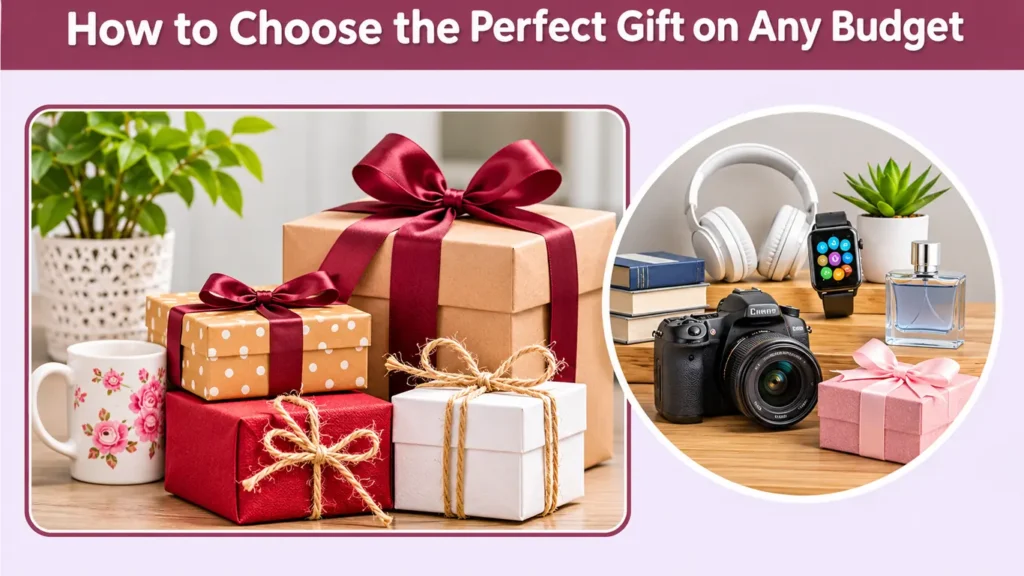
Finding a meaningful gift does not require spending a large amount of money. The key is understanding what the recipient values and selecting an option that suits your budget. Whether you are purchasing a simple birthday present or planning a special surprise, thoughtful research and personalization can make your choice more rewarding.
Set a Realistic Spending Limit
Determine your budget before browsing gifts to avoid unnecessary purchases. Compare quality, usefulness, and suitability rather than focusing entirely on brand names or high prices.
Add a Personal Touch
A handwritten message, thoughtful wrapping, or customized detail can make a simple present more meaningful. Personal touches demonstrate that you considered the recipient beyond simply choosing an item.
FAQs
1. How do I choose the right gift for someone’s age?
Start by considering the recipient’s age, interests, hobbies, and lifestyle. For children, prioritize safety and developmental suitability. For teenagers and adults, focus on personal preferences, usefulness, and meaningful experiences. Age should guide your decision without limiting your creativity.
2. What are the best gifts for children of different ages?
Babies benefit from safe sensory toys, preschoolers enjoy creative playsets, and school-age children often appreciate educational kits, games, and sports equipment. Always consider developmental abilities, individual interests, and recommended safety guidelines before purchasing.
3. Are personalized gifts suitable for every age group?
Personalized gifts can suit nearly every age group when designed appropriately. Young children may enjoy customized storybooks, teenagers might appreciate personalized accessories, and adults or seniors may treasure photo albums, engraved keepsakes, or meaningful family gifts.
4. How can I choose a gift when I don’t know someone’s interests?
Ask family members or close friends about the recipient’s preferences. Consider versatile gifts such as books, suitable gift cards, or flexible experiences. Avoid highly personal products unless you understand their tastes, needs, and lifestyle.
5. Is an expensive gift better than an affordable gift?
An expensive gift is not necessarily more meaningful than an affordable one. Thoughtfulness, usefulness, and personal relevance often matter more than price. A carefully selected book, handmade keepsake, or shared experience can create lasting memories without exceeding your budget.
