
Sensory activities for toddlers are a fun and creative way to encourage hands-on learning, curiosity, and early childhood development. From colorful finger painting and water play to homemade playdough and nature exploration, these activities help improve fine motor skills, coordination, and sensory awareness. These 17 best sensory activities for toddlers are easy to organize, require simple materials, and provide exciting learning experiences at home.
1. Sensory Bin with Colored Rice

A sensory bin with colored rice is one of the most engaging sensory activities for toddlers because it encourages hands-on exploration, creativity, and early learning. This colorful activity allows children to scoop, pour, touch, and explore different textures using simple materials. The gentle sound and movement of rice provide an interesting sensory experience while supporting fine motor development and hand-eye coordination. Sensory bins can also introduce basic concepts such as colors, quantities, and sorting. Although rice bins are best suited to older toddlers who no longer put objects in their mouths, they offer an enjoyable way to encourage independent discovery and imaginative play.
Materials Needed
- Colored Rice: Use dry rice colored with food-safe coloring and dried completely before play.
- Shallow Plastic Bin: Choose a wide, sturdy container with smooth edges.
- Measuring Cups: Provide lightweight cups for scooping and pouring rice.
- Large Plastic Spoons: Use toddler-friendly spoons to encourage hand movements.
- Small Bowls: Include colorful bowls for transferring and sorting rice.
- Play Mat: Place a washable mat underneath the bin to make cleanup easier.
How to Create a Colored Rice Sensory Bin
Start by preparing colored rice using a small amount of food coloring and allowing it to dry completely. Pour the rice into a shallow plastic container and arrange measuring cups, spoons, and small bowls around the edges. Place the sensory bin on a washable mat in a comfortable play area. Demonstrate how to scoop rice into a cup, pour it into another container, and explore its texture with your hands. Encourage your toddler to experiment with different movements and observe how the rice flows. You can introduce simple color-recognition games or pretend cooking activities to make the experience more interactive and entertaining.
Learning & Development Benefits
A colored rice sensory bin supports fine motor development by encouraging toddlers to scoop, grasp, pour, and transfer materials between containers. These movements strengthen hand muscles and improve hand-eye coordination. Touching and moving the rice provides tactile stimulation and helps children explore different sensory experiences. The activity also encourages concentration, curiosity, and imaginative play. Sorting colors, filling cups, and comparing quantities introduce early mathematical concepts such as full, empty, more, and less. Repeating simple actions helps toddlers develop confidence, patience, and problem-solving skills through hands-on exploration.
2. Water Play with Cups and Scoops

Water play with cups and scoops is one of the easiest sensory activities for toddlers because it encourages hands-on exploration, curiosity, and creative learning. This simple activity allows children to pour, scoop, splash, and transfer water between different containers while experiencing the sensation of water on their hands. It helps toddlers develop fine motor skills, hand-eye coordination, and an understanding of basic concepts such as full, empty, and overflowing. Water play is especially suitable for warm days, although it can also be enjoyed indoors. With minimal equipment and careful supervision, this activity provides an exciting sensory experience for young children.
Materials Needed
- Shallow Water Tray: Use a wide, stable container with smooth edges.
- Plastic Cups: Provide lightweight cups in different sizes for pouring and filling.
- Toddler-Friendly Scoops: Choose large, smooth-edged scoops that are easy to hold.
- Measuring Cups: Include colorful measuring cups for exploring different water quantities.
- Plastic Bowls: Add small, lightweight bowls for transferring water.
- Waterproof Play Mat: Place a nonslip mat underneath the activity area to reduce slipping hazards.
How to Play Water Activities with Cups and Scoops
Begin by placing a shallow tray on a stable, low surface and adding a small amount of clean, lukewarm water. Arrange plastic cups, scoops, and bowls around the tray. Demonstrate how to scoop water into a cup and gently pour it into another container. Encourage your toddler to experiment with different pouring movements and observe how the water flows. Introduce simple activities such as filling a cup halfway, transferring water between bowls, or comparing large and small containers. You can also add a few large, toddler-safe floating toys to make the experience more exciting. Allow your child to explore at their own pace.
Learning & Development Benefits
Water play supports fine motor development by encouraging toddlers to grasp, scoop, lift, and pour objects. These movements strengthen hand muscles and improve hand-eye coordination. Feeling water on their hands provides tactile stimulation and encourages sensory exploration. Transferring water between containers helps children understand early mathematical concepts such as volume, quantity, full, and empty. The activity also develops concentration, problem-solving abilities, and curiosity as toddlers observe how water moves. Repeated pouring and scooping encourage independence and confidence through playful experimentation.
3. Homemade Playdough Exploration

Homemade playdough exploration is one of the most creative sensory activities for toddlers because it combines hands-on learning with imaginative play. Soft, squishy playdough allows children to squeeze, roll, flatten, pinch, and shape different objects while exploring an interesting texture. This activity helps strengthen small hand muscles and encourages fine motor coordination. Making playdough at home also allows parents to control the ingredients and create different colors. Toddlers can explore shapes, pretend to prepare food, or make simple patterns using safe play tools. This enjoyable sensory activity encourages creativity, concentration, and independent discovery.
Materials Needed
- All-Purpose Flour: Use regular flour as the main ingredient for homemade playdough.
- Table Salt: Add salt to help create the desired texture and consistency.
- Water: Use clean water to combine the ingredients into a soft dough.
- Vegetable Oil: Add a small amount to make the playdough smooth and flexible.
- Food Coloring: Use food-safe coloring to create attractive playdough colors.
- Plastic Rolling Pin: Provide a lightweight, toddler-friendly rolling pin for flattening dough.
How to Make Homemade Playdough for Toddlers
Begin by mixing two cups of all-purpose flour with half a cup of table salt in a large bowl. Add two tablespoons of vegetable oil and approximately three-quarters of a cup of water, adjusting gradually until a soft, workable dough forms. Divide the mixture into smaller portions and knead in a few drops of food coloring to create different colors. Place the playdough on a clean play mat and demonstrate how to roll, squeeze, flatten, and shape it. Encourage your toddler to explore the texture using their hands. Introduce simple activities such as making colorful balls, flattening circles, or creating pretend cookies.
Learning & Development Benefits
Homemade playdough exploration supports fine motor development by strengthening the muscles used for grasping, pinching, squeezing, and rolling. These movements help toddlers develop hand coordination and control needed for everyday tasks. Exploring the soft texture provides tactile stimulation and encourages sensory awareness. Creating shapes and patterns supports imagination, creativity, and early problem-solving skills. The activity also introduces concepts such as size, shape, color, and texture. Repeated movements can improve concentration and encourage children to experiment independently. Playing alongside parents or caregivers provides opportunities for communication and vocabulary development.
4. Finger Painting Fun

Finger painting is one of the most enjoyable sensory activities for toddlers because it encourages creativity, imagination, and hands-on exploration. This colorful activity allows children to touch, spread, mix, and explore paint using their fingers and hands. The smooth, slippery texture provides an exciting sensory experience while supporting fine motor development and hand-eye coordination. Finger painting also introduces toddlers to different colors, patterns, and shapes through playful experimentation. It requires minimal equipment and can be enjoyed indoors or outdoors. With washable, age-appropriate paints, toddlers can create beautiful artwork while developing confidence and exploring their artistic abilities.
Materials Needed
- Washable Finger Paints: Choose non-toxic, age-appropriate paints specifically designed for young children.
- Large Paper Sheets: Use thick paper or washable painting mats for creating artwork.
- Plastic Paint Tray: Provide a shallow tray for holding different paint colors.
- Waterproof Play Mat: Protect tables and floors from paint spills.
- Old Clothes or Apron: Dress your toddler in comfortable clothing suitable for messy activities.
- Wet Washcloths: Keep soft cloths nearby for cleaning hands and surfaces.
How to Play Finger Painting Fun
Start by covering a low table or floor area with a waterproof play mat. Place a large sheet of paper in front of your toddler and pour small amounts of washable finger paint onto a shallow tray. Demonstrate how to dip a finger into the paint and make simple dots, lines, or handprints on the paper. Encourage your child to explore different colors and experiment with mixing them. You can introduce simple activities such as creating colorful fingerprints, making handprint flowers, or drawing basic shapes. Allow your toddler to explore freely without expecting a perfect picture. Focus on the sensory experience and creative process rather than the finished artwork.
Learning & Development Benefits
Finger painting supports fine motor development by encouraging toddlers to move their fingers, hands, and wrists in different ways. Spreading and mixing paint helps improve hand-eye coordination and finger control. The smooth texture provides tactile stimulation and allows children to explore different sensory experiences. Experimenting with colors encourages creativity, curiosity, and early problem-solving abilities. The activity also introduces basic concepts such as color recognition, shapes, and patterns. Creating artwork independently helps build confidence and encourages emotional expression. Parents can further support language development by describing colors, movements, and textures during the activity.
5. Rainbow Spaghetti Sensory Play

Rainbow spaghetti sensory play is a colorful and engaging activity that encourages toddlers to explore different textures through hands-on learning. This activity uses cooked, cooled spaghetti colored with food-safe dyes to create a soft, slippery, and flexible sensory material. Toddlers can touch, squeeze, lift, pull, and move the colorful strands while developing fine motor skills and hand-eye coordination. The bright colors make the experience visually exciting and encourage curiosity and exploration. Rainbow spaghetti sensory play is particularly suitable for toddlers who enjoy messy activities. It also introduces early learning concepts such as colors, textures, and sorting through imaginative play.
Materials Needed
- Cooked Spaghetti: Use plain spaghetti cooked until soft and cooled completely.
- Food Coloring: Choose food-safe coloring to create different rainbow colors.
- Large Mixing Bowls: Use separate bowls for coloring individual spaghetti portions.
- Shallow Sensory Tray: Provide a wide, sturdy container for sensory exploration.
- Plastic Tongs: Choose large, toddler-friendly tongs for lifting and transferring spaghetti.
- Waterproof Play Mat: Protect the surrounding floor or table from spills and stains.
How to Create Rainbow Spaghetti Sensory Play
Begin by cooking plain spaghetti according to the package instructions until it becomes soft. Drain the spaghetti and allow it to cool completely. Divide it into several bowls and add a few drops of food coloring to each portion. Gently mix until the strands become evenly colored, then place them in a shallow sensory tray. Arrange the different colors separately or combine them to create a rainbow effect. Demonstrate how to lift, squeeze, and move the spaghetti using fingers or large plastic tongs. Encourage your toddler to explore the different textures and colors. You can also provide small bowls for transferring spaghetti between containers.
Learning & Development Benefits
Rainbow spaghetti sensory play supports fine motor development by encouraging toddlers to grasp, pull, squeeze, and transfer soft strands. These movements help strengthen finger muscles and improve hand-eye coordination. Exploring the slippery texture provides tactile stimulation and encourages sensory awareness. Sorting spaghetti by color introduces early classification and color recognition skills. The activity also promotes creativity and imagination as children experiment with different ways to manipulate the material. Repeated movements help develop concentration, patience, and problem-solving abilities. Describing textures and colors during play can further support vocabulary development and communication skills.
6. Bubble Foam Sensory Play
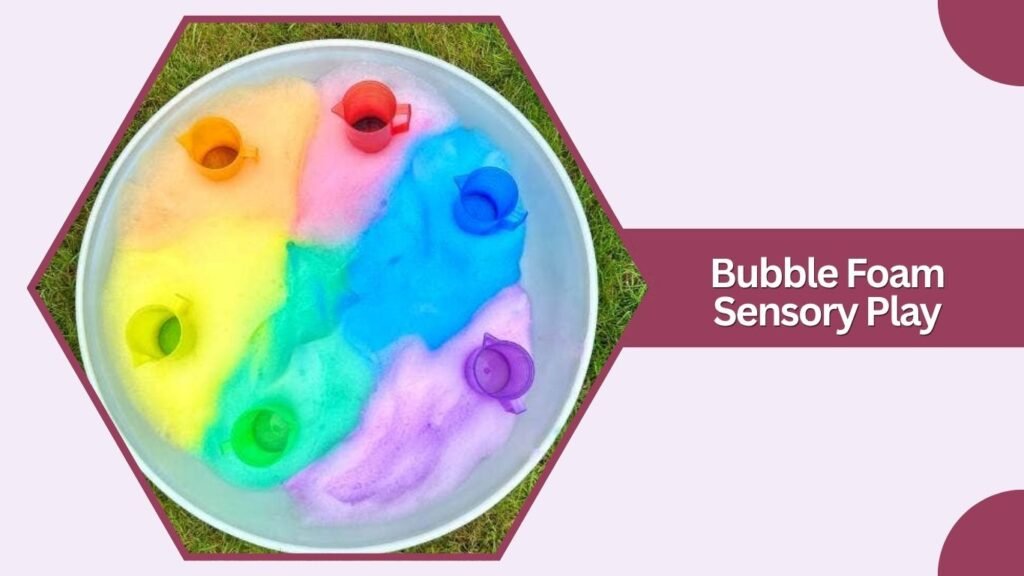
Bubble foam sensory play is one of the most exciting sensory activities for toddlers because it encourages hands-on exploration, creativity, and playful learning. This activity uses soft, fluffy foam that children can touch, squeeze, scoop, and spread using their hands or simple play tools. The light, airy texture provides an interesting sensory experience while helping toddlers develop fine motor skills and hand-eye coordination. Bubble foam play is particularly suitable for indoor sensory activities and warm outdoor play sessions. It also encourages curiosity, imagination, and concentration as children explore the changing shapes and textures of the foam.
Materials Needed
- Toddler-Safe Foaming Soap: Choose a mild, fragrance-free foaming cleanser suitable for your child’s age and skin.
- Clean Water: Use a small amount of water if needed to create a soft foam.
- Shallow Sensory Tray: Provide a wide, sturdy container with smooth edges.
- Plastic Cups: Include lightweight cups for scooping and transferring foam.
- Large Plastic Spoons: Use toddler-friendly spoons for mixing and exploring.
- Waterproof Play Mat: Protect the surrounding floor or table from spills.
How to Create Bubble Foam Sensory Play
Start by placing a small amount of mild, toddler-safe foaming soap into a shallow sensory tray. Add a little clean water if necessary and gently mix to produce a soft, fluffy foam. Avoid using concentrated dish detergent or harsh cleaning products. Place the tray on a waterproof play mat and arrange plastic cups and large spoons nearby. Demonstrate how to touch, scoop, and spread the foam using your hands. Encourage your toddler to explore the texture and observe how the bubbles change when touched. You can introduce simple activities such as transferring foam between cups, making foam patterns, or pretending to wash large plastic toys.
Learning & Development Benefits
Bubble foam sensory play supports fine motor development by encouraging toddlers to squeeze, scoop, spread, and transfer soft materials. These movements strengthen small hand muscles and improve hand-eye coordination. The fluffy texture provides tactile stimulation and allows children to experience different sensations. Watching bubbles appear and disappear encourages curiosity, observation, and early scientific thinking. The activity also promotes creativity and imaginative play as toddlers experiment with foam shapes and patterns. Following simple instructions can improve concentration and listening skills, while independent exploration helps children develop confidence and problem-solving abilities.
7. Nature Sensory Walk

A nature sensory walk is one of the best outdoor sensory activities for toddlers because it encourages exploration, movement, and curiosity about the natural environment. This simple activity allows children to experience different sights, sounds, smells, and textures while walking through a backyard, garden, or nearby park. Toddlers can observe colorful flowers, listen to birds, touch safe leaves, and feel gentle breezes. Nature walks support sensory awareness, gross motor development, and early learning through real-world experiences. They also provide opportunities for physical activity, language development, and meaningful interaction with parents or caregivers.
Materials Needed
- Comfortable Walking Shoes: Choose supportive, nonslip footwear suitable for outdoor exploration.
- Small Collection Basket: Use a lightweight basket for collecting safe natural objects.
- Nature Picture Cards: Include pictures of common flowers, trees, birds, and leaves.
- Magnifying Glass: Choose a large, shatter-resistant magnifier designed for young children.
- Water Bottle: Carry drinking water to keep your toddler hydrated.
- Sun Protection: Bring a suitable hat and age-appropriate sunscreen for sunny weather.
How to Organize a Nature Sensory Walk
Begin by choosing a safe outdoor location such as a backyard, quiet garden, or well-maintained park. Walk slowly with your toddler and encourage them to observe the surrounding environment. Point out colorful flowers, interesting leaves, and different tree shapes. Invite your child to listen for birds, rustling leaves, or other gentle natural sounds. Allow them to touch safe, non-irritating plants and explore textures such as smooth stones or rough tree bark under close supervision. Introduce simple questions about colors, sounds, and textures to encourage curiosity. Keep the walk short and flexible, allowing your toddler to stop and explore interesting discoveries.
Learning & Development Benefits
Nature sensory walks support sensory development by exposing toddlers to a variety of natural sights, sounds, smells, and textures. Walking on different safe surfaces helps improve balance, coordination, and body awareness. Observing plants, animals, and changing surroundings encourages curiosity and early scientific thinking. Describing natural objects supports vocabulary development, communication, and listening skills. The activity also promotes concentration and observation as toddlers notice small details in their environment. Exploring outdoors with a parent or caregiver encourages confidence, independence, and positive emotional connections while making physical activity enjoyable.
8. Ice Cube Sensory Exploration

Ice cube sensory exploration is a refreshing and engaging sensory activity for toddlers that introduces different temperatures, textures, and physical changes through hands-on play. Children can observe ice cubes melting, feel cool surfaces, and watch water form as the ice changes shape. This activity encourages curiosity, observation, and early scientific thinking while supporting fine motor development. Ice exploration is particularly enjoyable during warm weather and can be organized with simple household materials. Using large ice blocks, colorful containers, and lukewarm water creates an interactive experience that helps toddlers explore temperature differences safely.
Materials Needed
- Large Ice Blocks: Freeze clean water in large silicone molds to create pieces that are too large to swallow.
- Shallow Plastic Tray: Use a sturdy container to hold the ice and melting water.
- Plastic Cups: Provide lightweight cups for pouring small amounts of water.
- Large Plastic Spoons: Use smooth, toddler-friendly spoons for moving ice.
- Lukewarm Water: Prepare a small amount for observing how ice melts.
- Waterproof Play Mat: Protect the floor from water spills and slippery surfaces.
How to Play Ice Cube Sensory Exploration
Start by freezing clean water in large, toddler-safe molds until solid. Remove the ice blocks and place them inside a shallow plastic tray on a waterproof play mat. Allow the ice to soften slightly so there are no sharp edges. Demonstrate how to touch the ice briefly and observe its cold, smooth surface. Provide a large plastic spoon for gently moving the ice around the tray. Next, pour a small amount of lukewarm water over one ice block and encourage your toddler to observe how it melts. Compare the size of the ice before and after adding water. Use simple words such as cold, wet, smooth, and melting to introduce new vocabulary.
Learning & Development Benefits
Ice sensory exploration helps toddlers understand different temperatures, textures, and changes in materials through direct observation. Touching cool surfaces and watching ice melt encourages sensory awareness and curiosity. Using spoons and cups supports fine motor development, grasping skills, and hand-eye coordination. Observing the transformation from solid ice to liquid water introduces simple scientific concepts in an age-appropriate way. The activity also encourages concentration, problem-solving, and early language development as children describe what they see and feel. Exploring these changes through play helps toddlers build confidence and develop an interest in everyday discoveries.
9. Sensory Bottles with Glitter
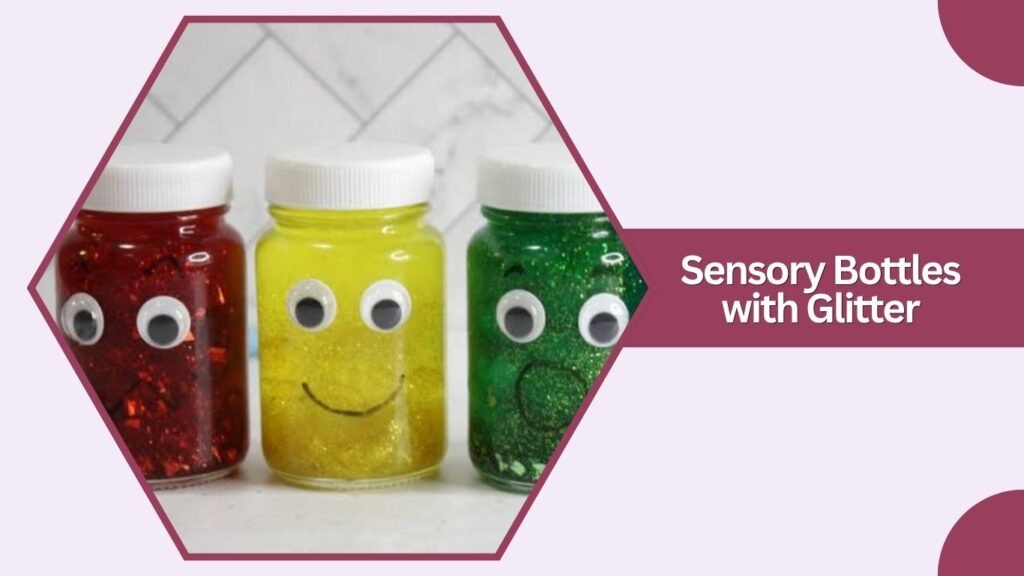
Sensory bottles with glitter are among the most fascinating sensory activities for toddlers because they encourage visual exploration, concentration, and calm observation. These colorful bottles contain water, glitter, and decorative materials that move slowly when shaken or tilted. Toddlers enjoy watching the sparkling particles float and settle, creating an engaging sensory experience. Sensory bottles are particularly suitable for quiet playtime, indoor learning, and calming activities. They also help children develop visual tracking, hand-eye coordination, and curiosity. With a securely sealed, shatter-resistant bottle, this activity provides an enjoyable way to explore movement, colors, and patterns.
Materials Needed
- Clear Plastic Bottle: Choose a sturdy, shatter-resistant bottle with a secure screw-on lid.
- Fine Glitter: Use a small amount of glitter to create a sparkling visual effect.
- Clean Water: Fill the bottle with water to allow the glitter to move freely.
- Clear Glycerin: Add a little glycerin to slow the movement of glitter particles.
- Food Coloring: Use a few drops of food-safe coloring for an attractive appearance.
- Strong Waterproof Adhesive: Use an appropriate adhesive to permanently secure the bottle cap.
How to Make Sensory Bottles with Glitter
Start by selecting a clean, sturdy plastic bottle with a tightly fitting lid. Fill approximately three-quarters of the bottle with water, then add a small amount of fine glitter and a few drops of food coloring. Mix in a little clear glycerin to help the glitter move more slowly. Leave some space at the top before closing the bottle. Apply a suitable waterproof adhesive to the cap threads and secure the lid permanently according to the adhesive manufacturer’s instructions. Allow it to cure completely before giving the bottle to your toddler. Demonstrate how to gently shake, roll, and tilt the bottle. Encourage your child to observe the glitter floating and slowly settling.
Learning & Development Benefits
Sensory bottles with glitter support visual development by encouraging toddlers to follow moving particles and observe changing patterns. Shaking, tilting, and rolling the bottle help improve hand-eye coordination and strengthen small hand muscles. Watching the glitter settle encourages attention, patience, and concentration. The activity also introduces early scientific concepts such as movement, floating, and sinking. Observing different colors can support color recognition and visual discrimination. Sensory bottles may also provide a calming visual focus during quiet playtime, although their effects vary between children.
10. Texture Touch and Feel Board

A texture touch and feel board is one of the best sensory activities for toddlers because it encourages tactile exploration, curiosity, and early learning through different surfaces. This activity involves attaching various textured materials to a sturdy board, allowing toddlers to touch, rub, and compare how each material feels. Soft fabric, smooth felt, textured foam, and other child-safe surfaces create an interesting sensory experience. Touch and feel boards help toddlers develop sensory awareness, fine motor coordination, and descriptive vocabulary. They are especially suitable for indoor play and can be customized to match a child’s age, interests, and developmental abilities.
Materials Needed
- Sturdy Base Board: Use a smooth, lightweight board with rounded edges.
- Soft Felt Fabric: Include colorful felt pieces for a soft, smooth texture.
- Fleece Material: Add a section of soft fleece for gentle tactile exploration.
- Textured Foam Sheets: Choose large, non-shedding foam pieces with different surface patterns.
- Cotton Fabric: Use securely attached fabric patches to introduce additional textures.
- Non-Toxic Adhesive: Select a child-safe adhesive suitable for permanently attaching the materials.
How to Create a Texture Touch and Feel Board
Begin by selecting a sturdy board with smooth, rounded edges and enough space for several textured materials. Cut large pieces of felt, fleece, cotton fabric, and textured foam into simple shapes. Arrange the materials across the board, leaving small gaps between each section. Secure every piece firmly using an appropriate non-toxic adhesive, and allow it to cure completely before play. Place the finished board on a stable surface within your toddler’s reach. Demonstrate how to gently touch and rub the different materials using their fingers. Encourage your child to compare textures by describing them as soft, smooth, fluffy, or bumpy. Allow plenty of time for independent exploration.
Learning & Development Benefits
A texture touch and feel board supports sensory development by introducing toddlers to a variety of tactile experiences. Exploring different surfaces encourages children to recognize and compare textures through touch. Moving their fingers across the materials strengthens fine motor coordination and improves hand control. The activity also supports language development as toddlers learn descriptive words such as rough, smooth, soft, and bumpy. Comparing textures encourages observation, curiosity, and early problem-solving skills. Repeated sensory exploration helps children develop confidence and become more comfortable interacting with different materials in their everyday environment.
11. Sand and Water Sensory Play
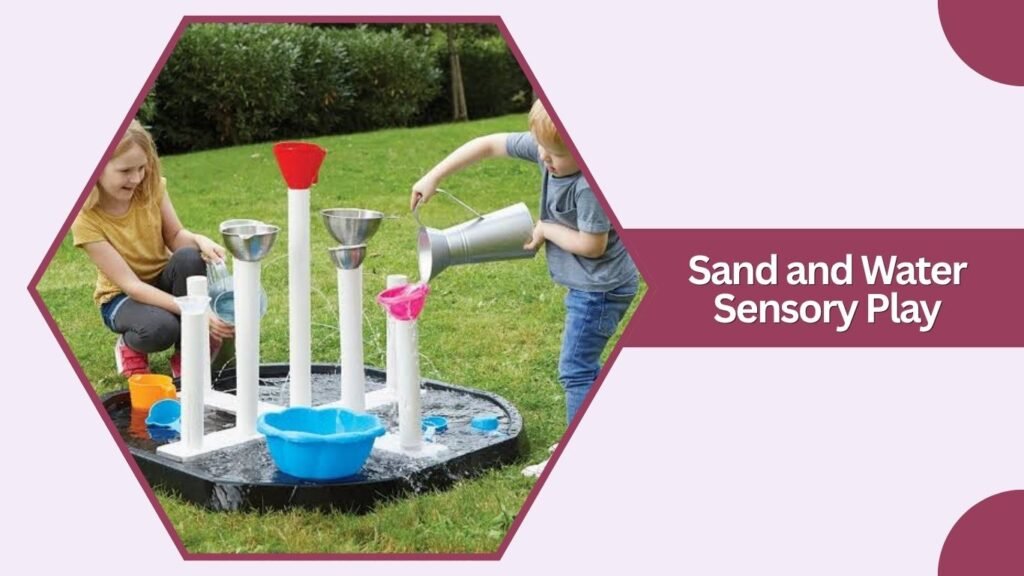
Sand and water sensory play is one of the most enjoyable sensory activities for toddlers because it combines different textures, temperatures, and movements in a single activity. This hands-on experience allows children to scoop, pour, mix, and explore how dry sand changes when water is added. The combination of grainy sand and flowing water provides interesting tactile stimulation while encouraging creativity and curiosity. Sand and water play is particularly suitable for outdoor spaces, including backyards and patios. It also supports fine motor development, hand-eye coordination, and early problem-solving skills through simple, playful exploration.
Materials Needed
- Child-Safe Play Sand: Use clean, commercially prepared play sand suitable for children’s activities.
- Shallow Sensory Tray: Choose a sturdy container with separate sections for sand and water.
- Clean Water: Provide a small amount of lukewarm water for mixing and pouring.
- Plastic Scoops: Use large, lightweight scoops for transferring sand.
- Measuring Cups: Include colorful cups for exploring quantities and textures.
- Small Plastic Buckets: Choose toddler-friendly containers for filling and emptying.
How to Create Sand and Water Sensory Play
Start by placing a shallow sensory tray on a stable surface in a safe outdoor area. Fill one section with clean play sand and another with a small amount of water. Arrange plastic scoops, measuring cups, and buckets around the tray. Demonstrate how to scoop dry sand into a cup and gently pour water over it. Encourage your toddler to observe how the sand changes texture when it becomes wet. Introduce simple activities such as filling containers, making small sand shapes, or transferring wet sand between cups. Allow your child to explore the materials at their own pace while describing the different textures and movements.
Learning & Development Benefits
Sand and water sensory play supports fine motor development by encouraging toddlers to scoop, pour, squeeze, and transfer materials. These movements strengthen hand muscles and improve hand-eye coordination. Exploring dry and wet sand introduces different tactile sensations and helps children understand how materials change when mixed. The activity also develops early mathematical concepts such as volume, quantity, full, and empty. Experimenting with sand and water encourages curiosity, creativity, and problem-solving abilities. Pretend building and pouring activities promote imaginative play, while sharing materials with caregivers supports communication and social interaction.
12. Pom-Pom Sorting Sensory Activity

Pom-pom sorting is a colorful sensory activity that encourages toddlers to explore soft textures while developing fine motor skills and early learning abilities. This activity involves sorting large, fluffy pom-poms into different containers based on color, size, or simple patterns. The soft texture provides an interesting tactile experience, while picking up and transferring the objects supports hand-eye coordination. Pom-pom sorting is particularly suitable for older toddlers who can follow simple instructions and enjoy matching colors. With proper materials and close supervision, the activity encourages concentration, problem-solving, and independent exploration through playful learning.
Materials Needed
- Large Pom-Poms: Use oversized, securely made pom-poms that cannot fit into a child’s mouth.
- Colorful Plastic Bowls: Provide several sturdy bowls for sorting different colors.
- Large Plastic Tongs: Choose toddler-friendly tongs for transferring pom-poms.
- Shallow Sensory Tray: Use a wide container to keep materials organized.
- Color Matching Cards: Include simple cards showing basic colors.
- Nonslip Play Mat: Provide a stable surface for comfortable play.
How to Play Pom-Pom Sorting Sensory Activity
Begin by placing several large, colorful pom-poms in a shallow sensory tray. Arrange matching plastic bowls around the tray and demonstrate how to place each pom-pom into the bowl with the corresponding color. Encourage your toddler to pick up the pom-poms using their hands before introducing large plastic tongs. For beginners, start with two colors to keep the activity simple. As your toddler becomes more confident, add additional colors or introduce basic size comparisons. You can also encourage your child to transfer pom-poms between bowls or create simple color patterns. Keep the activity relaxed and focus on exploration rather than sorting everything correctly.
Learning & Development Benefits
Pom-pom sorting supports fine motor development by encouraging toddlers to grasp, lift, release, and transfer soft objects. These movements strengthen finger muscles and improve hand-eye coordination. Touching fluffy materials provides tactile stimulation and encourages sensory exploration. Sorting objects by color introduces early classification, matching, and problem-solving skills. Using tongs can further develop hand control and bilateral coordination. The activity also promotes concentration, patience, and independent decision-making. Naming colors and describing textures during play supports vocabulary development and communication skills.
13. Frozen Toy Rescue

Frozen toy rescue is an exciting sensory activity for toddlers that combines temperature exploration, problem-solving, and imaginative play. In this activity, large, child-safe toys are partially or completely frozen inside blocks of ice, and children use lukewarm water to help release them. Toddlers enjoy watching the ice melt while discovering how water changes its shape and texture. This activity encourages curiosity, patience, and hands-on experimentation. It is especially enjoyable during warm weather and provides opportunities to develop fine motor coordination, observation skills, and early scientific understanding through a playful rescue adventure.
Materials Needed
- Large Plastic Toys: Choose solid, waterproof, age-appropriate toys without small detachable parts.
- Large Freezer-Safe Container: Use a suitable container for freezing water around the toys.
- Clean Water: Prepare water for freezing the toys inside ice blocks.
- Lukewarm Water: Provide a small amount of comfortably warm water to help melt the ice.
- Plastic Cups: Use lightweight cups for gently pouring water over the ice.
- Shallow Sensory Tray: Place the frozen block in a sturdy tray to collect melting water.
How to Play Frozen Toy Rescue
Start by placing one or two large, waterproof plastic toys inside a freezer-safe container. Add enough clean water to surround the toys and freeze the container until the water becomes solid. Remove the frozen block and place it inside a shallow sensory tray, allowing any sharp edges to soften before play. Demonstrate how to pour a small amount of lukewarm water over the ice and watch it gradually melt. Encourage your toddler to observe how the toys become more visible as the ice changes. Allow your child to continue pouring water until the toys can be removed easily. Describe the experience using simple words such as frozen, cold, melting, and free.
Learning & Development Benefits
Frozen toy rescue supports sensory development by introducing toddlers to cold surfaces, melting ice, and flowing water. Pouring water from cups encourages fine motor coordination, grasping skills, and hand-eye control. Watching ice change into water introduces early scientific concepts related to temperature and physical changes. The activity also develops patience and problem-solving as children explore different ways to release the frozen toys. Pretend rescue scenarios encourage imaginative play and creativity. Describing the melting process supports vocabulary development, observation, and communication skills while keeping children engaged in hands-on learning.
14. Sensory Painting in a Sealed Bag
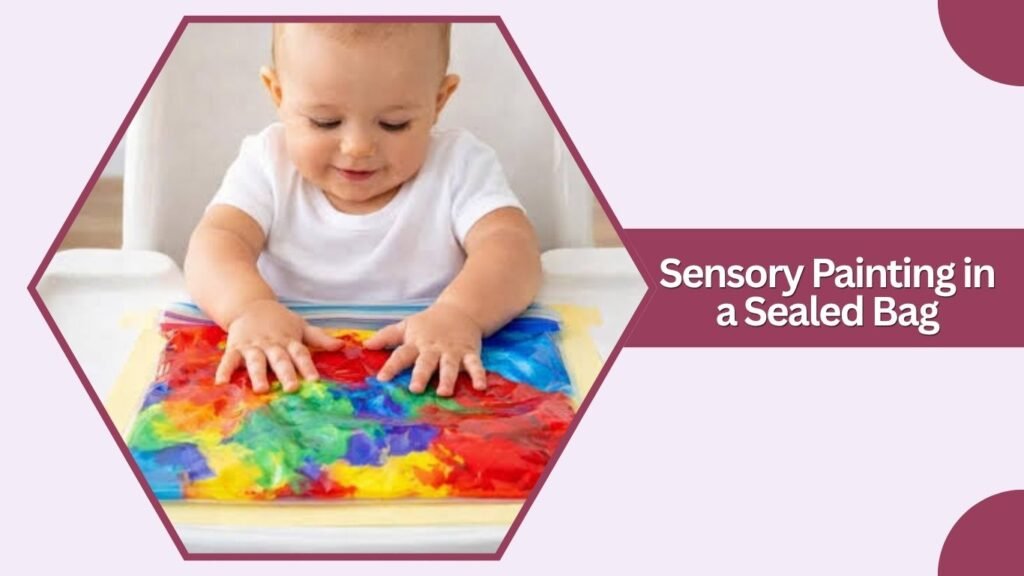
Sensory painting in a sealed bag is one of the easiest and least messy sensory activities for toddlers because it allows children to explore colors, textures, and movement without touching wet paint directly. This activity involves placing colorful paint inside a securely sealed plastic bag, allowing toddlers to press, squish, and spread the colors using their fingers. It is particularly suitable for indoor play and children who prefer less messy sensory experiences. The activity supports fine motor development, hand-eye coordination, and visual exploration while encouraging creativity and curiosity through simple, hands-on learning.
Materials Needed
- Washable Paint: Use non-toxic, age-appropriate finger paints in different colors.
- Heavy-Duty Plastic Bag: Choose a sturdy, transparent, sealable bag without holes.
- Painter’s Tape: Use strong tape to reinforce the bag’s opening and secure its edges.
- White Paper: Place a sheet behind the bag to make the colors more visible.
- Flat Play Surface: Choose a stable table or smooth floor for comfortable exploration.
- Waterproof Play Mat: Protect the surrounding area from accidental spills.
How to Create Sensory Painting in a Sealed Bag
Start by selecting a clean, heavy-duty plastic bag and adding small amounts of two or three washable paint colors. Avoid overfilling the bag so the paint has enough space to move. Carefully remove excess air before sealing the opening securely. Reinforce the closure with strong tape, then tape all four edges of the bag flat against a table or another stable surface. Place white paper underneath to make the colors stand out. Demonstrate how to gently press, slide, and move fingers across the bag to spread the paint. Encourage your toddler to observe how different colors mix and form interesting patterns.
Learning & Development Benefits
Sensory painting in a sealed bag supports fine motor development by encouraging toddlers to press, slide, and move their fingers in different directions. These movements strengthen small hand muscles and improve finger control. Watching colors spread and blend encourages visual tracking, curiosity, and early color recognition. The activity also introduces basic cause-and-effect concepts as children observe how their movements change the paint patterns. Creating shapes and lines supports imagination, creativity, and concentration. Because the paint remains enclosed, this activity may also help toddlers who are hesitant about touching messy materials explore sensory experiences more comfortably.
15. Nature-Inspired Sensory Bin
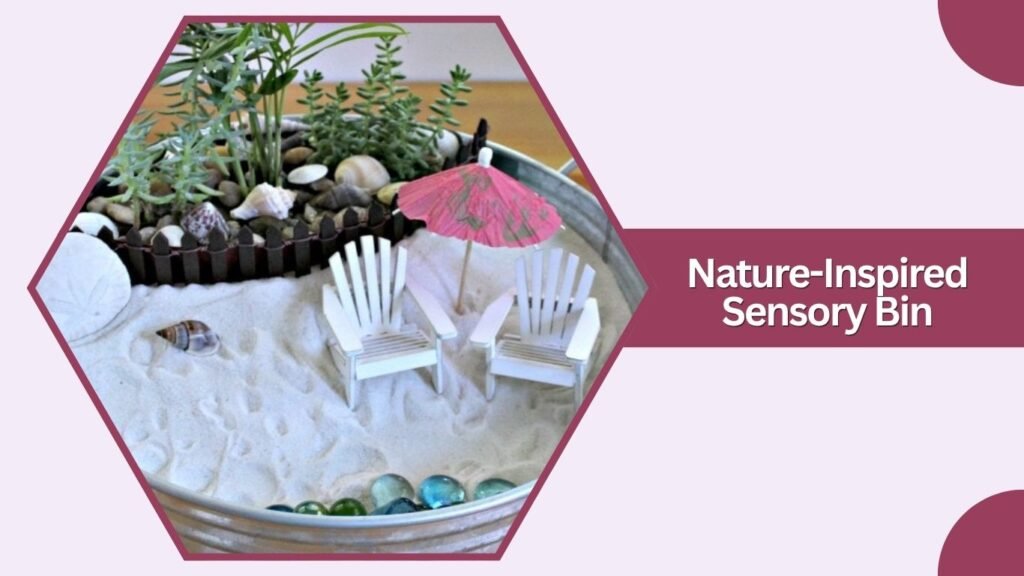
A nature-inspired sensory bin is a wonderful sensory activity for toddlers because it introduces natural textures, colors, and materials through hands-on exploration. This activity uses carefully selected nature-themed objects, such as large leaves, smooth wooden pieces, and soft fabric flowers, to create an engaging sensory environment. Toddlers can touch, sort, lift, and compare different materials while learning about the natural world. Nature-inspired sensory bins encourage curiosity, creativity, and imaginative play while supporting fine motor coordination. They are particularly suitable for indoor learning activities and can be adapted to different seasons using safe, age-appropriate materials.
Materials Needed
- Shallow Sensory Bin: Choose a sturdy plastic container with smooth edges.
- Large Fabric Leaves: Use washable, securely made leaves with different colors and textures.
- Smooth Wooden Pieces: Select oversized wooden sensory blocks without sharp edges or splinters.
- Fabric Flowers: Include large, child-safe artificial flowers without detachable parts.
- Plastic Scoops: Provide lightweight scoops for moving and exploring materials.
- Small Baskets: Use toddler-friendly containers for collecting and sorting objects.
How to Create a Nature-Inspired Sensory Bin
Begin by placing a shallow sensory bin on a comfortable, stable play surface. Arrange large fabric leaves, smooth wooden blocks, and fabric flowers throughout the container. Choose materials with different textures and colors to create an interesting nature-themed environment. Add a few plastic scoops and small baskets to encourage sorting and collecting. Demonstrate how to touch the different objects and describe their textures using words such as smooth, soft, rough, and bumpy. Encourage your toddler to explore the materials freely and create simple pretend nature scenes. You can also introduce color-matching activities or ask your child to collect all the leaves into one basket.
Learning & Development Benefits
A nature-inspired sensory bin supports tactile development by exposing toddlers to different textures and surfaces. Touching, lifting, and transferring objects strengthens hand muscles and improves fine motor coordination. Comparing natural-looking materials encourages observation, curiosity, and early classification skills. Sorting objects by color, shape, or texture introduces basic mathematical concepts and problem-solving abilities. Pretend gardening and nature exploration promote imagination and creativity. Describing leaves, flowers, and other materials also supports language development and vocabulary growth. This activity encourages independent exploration while helping toddlers become familiar with nature through playful learning.
16. Sponge Squeezing Water Play
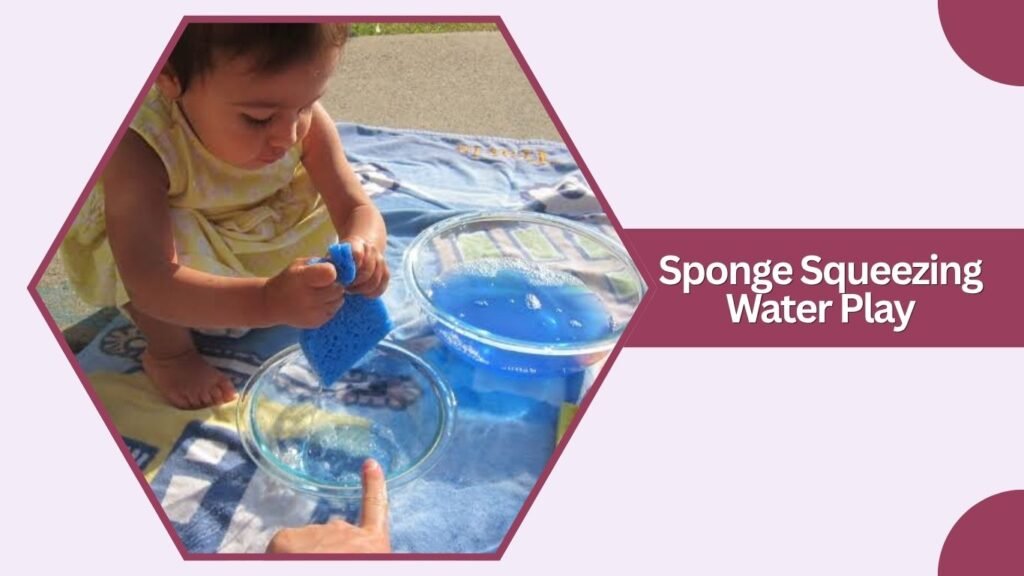
Sponge squeezing water play is one of the simplest sensory activities for toddlers because it combines tactile exploration with practical fine motor exercises. This activity encourages children to dip soft sponges into water, squeeze them, and transfer water between containers. The changing texture of wet and dry sponges provides an interesting sensory experience while helping toddlers strengthen their hands and fingers. Sponge squeezing is particularly suitable for indoor or outdoor play and requires minimal preparation. It also introduces early learning concepts such as absorption, volume, and cause and effect through playful experimentation.
Materials Needed
- Large Soft Sponges: Choose clean, durable sponges without detachable abrasive layers.
- Shallow Water Tray: Use a wide, stable container for holding a small amount of water.
- Plastic Bowls: Provide two lightweight bowls for transferring water.
- Measuring Cups: Include toddler-friendly cups for pouring and comparing quantities.
- Waterproof Play Mat: Protect floors and reduce slipping hazards.
- Clean Lukewarm Water: Use comfortably warm water for safe sensory exploration.
How to Play Sponge Squeezing Water Activities
Start by placing two plastic bowls inside a shallow sensory tray. Fill one bowl with a small amount of clean, lukewarm water and leave the other empty. Give your toddler a large, soft sponge and demonstrate how to dip it into the water. Gently lift the wet sponge and squeeze it over the empty bowl to release the absorbed water. Encourage your child to repeat the process and observe how the water moves between containers. You can introduce simple challenges, such as transferring enough water to fill a small cup or comparing a wet sponge with a dry one. Allow your toddler to experiment with squeezing, pressing, and dipping at their own pace.
Learning & Development Benefits
Sponge squeezing water play supports fine motor development by strengthening finger, hand, and wrist muscles. Grasping and squeezing sponges improves hand control and coordination, which are important for everyday activities. Exploring wet and dry textures provides tactile stimulation and encourages sensory awareness. Watching water absorb into a sponge and release when squeezed introduces early scientific concepts such as absorption and cause and effect. Transferring water between bowls also introduces basic mathematical ideas, including full, empty, more, and less. The repetitive movements encourage concentration, independence, and problem-solving skills.
17. Scented Herb Sensory Exploration
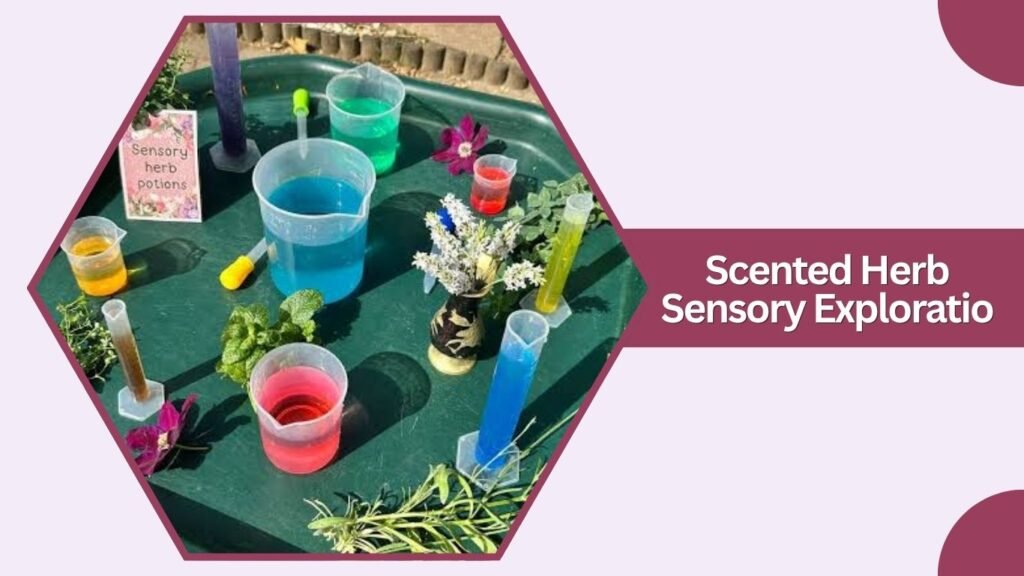
Scented herb sensory exploration is a creative sensory activity for toddlers that introduces natural fragrances, colors, and textures through hands-on learning. This activity allows children to smell and touch familiar culinary herbs such as basil, mint, and rosemary while exploring their different characteristics. The gentle fragrances provide an interesting sensory experience that encourages curiosity and observation. Herb exploration is particularly suitable for indoor gardening activities, backyard play, and nature-inspired learning. It also helps toddlers develop sensory awareness, descriptive vocabulary, and fine motor coordination while introducing them to plants commonly found in gardens and kitchens.
Materials Needed
- Fresh Basil Leaves: Use clean, fresh basil leaves with a recognizable herbal fragrance.
- Fresh Mint Leaves: Include washed mint leaves for a refreshing sensory experience.
- Fresh Rosemary: Use a securely contained sprig for adult-guided smelling rather than direct handling of sharp stems.
- Small Plastic Bowls: Provide separate containers for organizing different herbs.
- Large Mesh Herb Pouches: Use securely closed, child-safe pouches to contain loose leaves.
- Sensory Tray: Choose a shallow, sturdy tray to keep the activity organized.
How to Create Scented Herb Sensory Exploration
Begin by selecting two or three familiar, non-toxic culinary herbs and washing them thoroughly. Place each herb inside a separate, securely closed mesh pouch or suitable sensory container. Arrange the containers on a shallow tray and introduce them to your toddler one at a time. Demonstrate how to smell the herbs gently and describe their fragrances using simple words such as fresh, sweet, strong, or mild. Encourage your child to compare the scents and observe the different shades of green. You can also show whole basil and mint leaves while explaining how they grow. Allow your toddler to choose which scent they prefer and repeat the exploration at their own pace.
Learning & Development Benefits
Scented herb sensory exploration supports olfactory development by introducing toddlers to different natural fragrances. Comparing scents encourages observation, curiosity, and sensory discrimination. Looking at leaves and exploring safe textures helps develop visual and tactile awareness. The activity also supports language development as children learn words associated with smells, colors, and plants. Identifying differences between herbs encourages early classification and memory skills. When combined with simple gardening discussions, herb exploration introduces children to nature and plant growth. Sharing observations with caregivers encourages communication, confidence, and active participation in sensory learning.
FAQs
1. What Are the Best Sensory Activities for Toddlers?
The best sensory activities for toddlers include water play, homemade playdough, finger painting, texture boards, and nature sensory walks. These activities encourage hands-on exploration, creativity, and early learning while helping children develop fine motor skills, coordination, and sensory awareness.
2. What Sensory Activities Are Suitable for 1-Year-Olds?
Suitable sensory activities for 1-year-olds include supervised water play, touching different fabrics, exploring large textured toys, and finger painting with age-appropriate materials. Choose activities without small loose objects or choking hazards and always provide close adult supervision.
3. How Do Sensory Activities Help Toddler Development?
Sensory activities help toddlers develop fine motor skills, hand-eye coordination, concentration, and problem-solving abilities. Exploring different textures, sounds, colors, and temperatures also supports sensory processing, language development, curiosity, and creativity through hands-on learning.
4. How Often Should Toddlers Do Sensory Activities?
Toddlers can enjoy sensory activities daily as part of their regular playtime. Short sessions of approximately 10–20 minutes may work well, depending on the child’s age, attention span, and interests. Activities should remain flexible, enjoyable, and appropriate for individual developmental abilities.
5. What Are Some Easy Sensory Activities for Toddlers at Home?
Easy sensory activities for toddlers at home include sponge squeezing, water pouring, homemade playdough, sealed-bag painting, and exploring different fabric textures. These activities require minimal preparation and everyday household materials while providing opportunities for creative, hands-on learning under adult supervision.
