

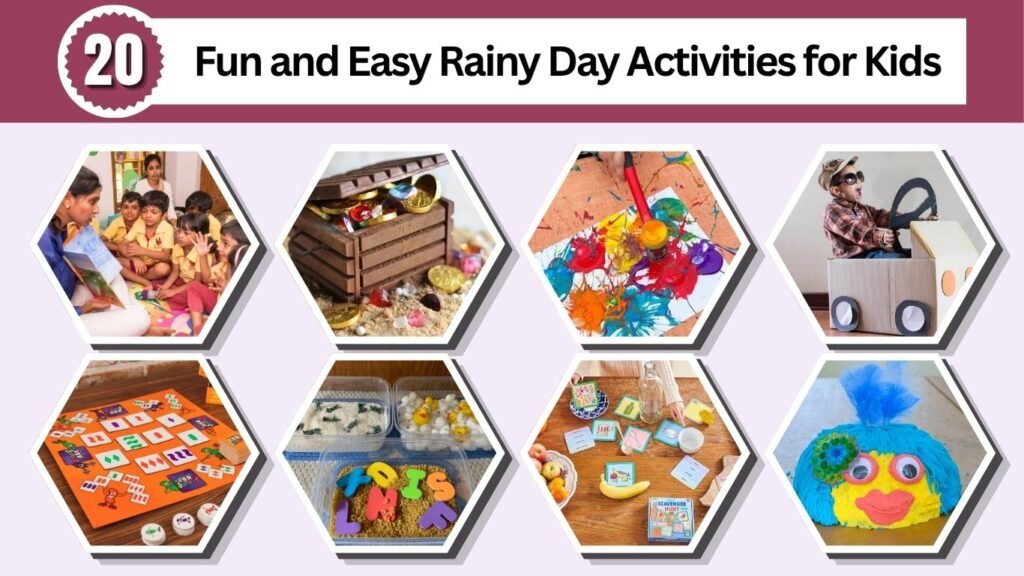
Looking for fun rainy day activities for kids that require little preparation? These 20 creative indoor activities are easy to set up using simple, affordable materials you probably already have at home. From blanket forts and treasure hunts to arts and crafts, indoor games, and science experiments, discover exciting ways to keep children entertained, active, and learning without expensive supplies or complicated setups.
1. Indoor Treasure Hunt
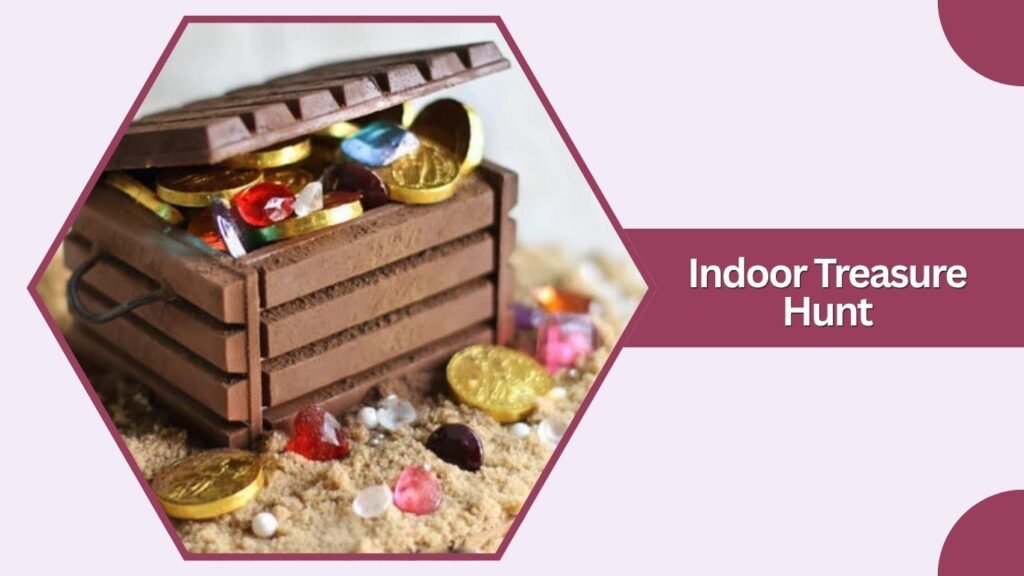
An indoor treasure hunt is an exciting rainy day activity for kids that combines adventure, creativity, and problem-solving. This interactive game transforms ordinary rooms into mysterious locations filled with hidden clues and surprises. Children can explore different areas of the house, solve simple puzzles, and discover hidden treasures while staying active indoors. Whether played individually or with siblings and friends, an indoor treasure hunt encourages curiosity, teamwork, and imaginative thinking while providing hours of entertainment.
Materials Needed
- Small toys, stickers, chocolates, or other age-appropriate treasures
- Paper and colorful markers for creating clues
- Envelopes or small containers for hiding messages
- A basket or decorative box for the final treasure
- Household objects and furniture for creative hiding spots
How to Organize an Indoor Treasure Hunt
Start by selecting several safe locations around your home where children can search for hidden clues. Write simple riddles, picture-based hints, or short instructions that guide participants from one location to another. For younger children, use colorful drawings or familiar objects instead of written clues. Hide each message carefully and place a special reward at the final destination. Explain the rules before starting and encourage children to work together as they follow clues and complete their exciting indoor adventure.
Creative Treasure Hunt Ideas
Make the treasure hunt more entertaining by introducing exciting themes such as pirates, jungle explorers, detectives, or magical kingdoms. Children can dress up as their favorite characters while searching for hidden objects throughout the house. Consider adding simple challenges between clues, such as solving a puzzle, identifying colors, or performing a funny dance. For older children, introduce more difficult riddles or coded messages to increase the excitement. Changing themes and hiding locations keeps the activity fresh and enjoyable on different rainy days.
2. DIY Arts and Crafts
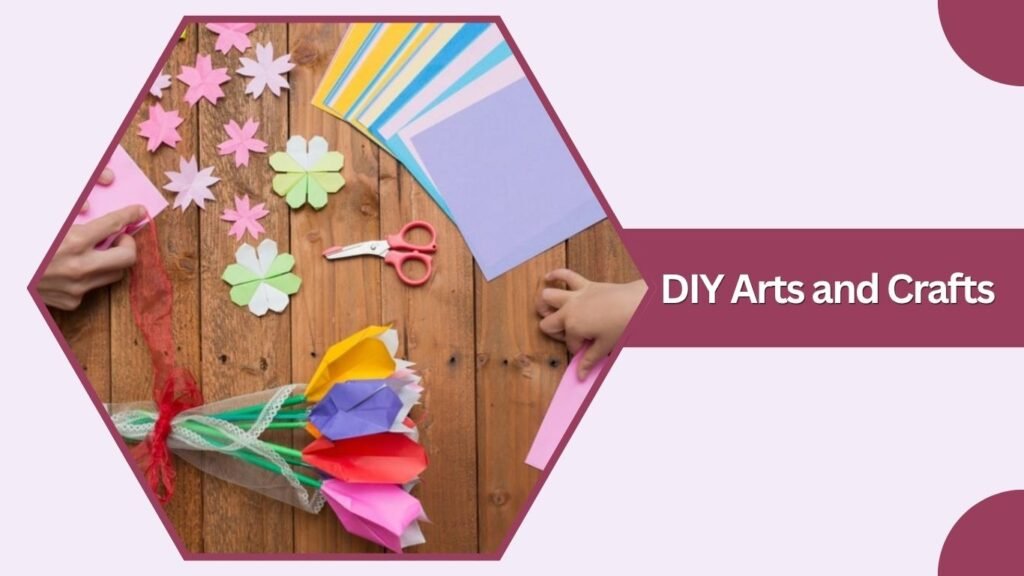
DIY arts and crafts are creative rainy day activities for kids that encourage imagination, artistic expression, and hands-on learning. This activity allows children to transform simple household materials into colorful artwork, decorative objects, and personalized creations. Whether making paper animals, greeting cards, or recycled crafts, kids can explore different colors, shapes, and textures while developing important creative skills. Arts and crafts provide an enjoyable indoor experience that keeps children entertained while encouraging independent thinking and imaginative play.
Materials Needed
- Colored paper, construction paper, and cardboard
- Washable paints, crayons, markers, and colored pencils
- Child-safe scissors and non-toxic glue
- Stickers, ribbons, and decorative craft supplies
- Recycled materials such as paper rolls, egg cartons, and cardboard boxes
How to Organize DIY Arts and Crafts
Start by preparing a comfortable crafting area with a clean table and enough space for children to work. Cover the surface with reusable mats or old newspapers to make cleaning easier. Gather age-appropriate materials and allow children to choose a project that interests them. Younger kids can create simple paper collages or colorful drawings, while older children may enjoy making paper flowers, handmade cards, or decorative picture frames. Provide basic instructions when necessary, but encourage children to experiment with their own designs and creative ideas.
Creative Arts and Crafts Ideas
Make craft time more exciting by introducing different themes inspired by animals, nature, seasons, or favorite stories. Children can create paper butterflies, cardboard castles, colorful masks, or homemade decorations using recycled materials. Consider organizing a family art challenge where everyone creates something from the same collection of supplies. Kids may also enjoy decorating handmade bookmarks or designing personalized greeting cards for family members. Displaying completed projects around the house helps celebrate their creativity and encourages continued interest in artistic activities.
3. Indoor Obstacle Course
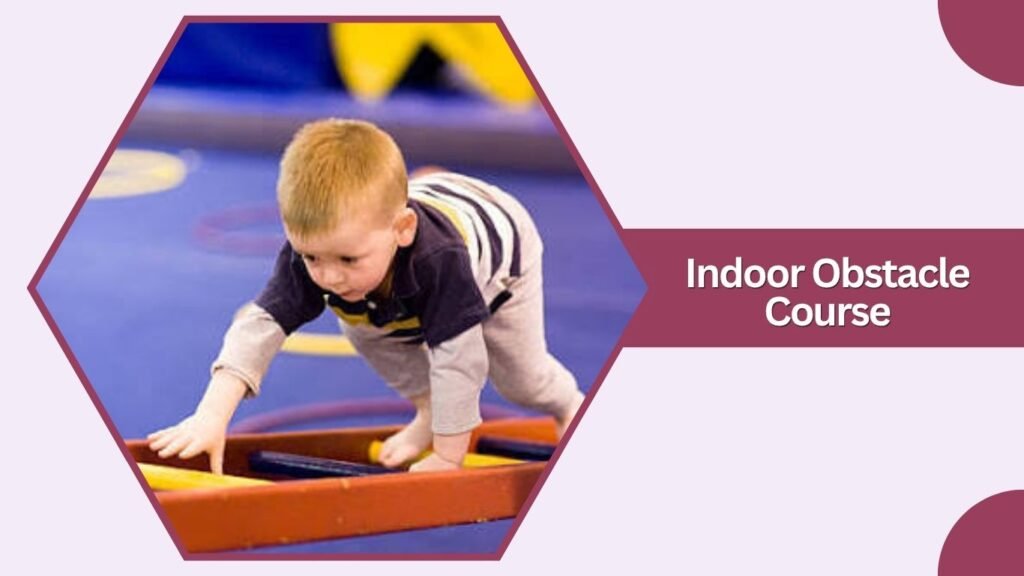
An indoor obstacle course is an exciting rainy day activity for kids that combines physical movement, problem-solving, and imaginative play. Using everyday household items, children can create a fun adventure filled with crawling, balancing, jumping, and navigating different challenges. This activity transforms a living room or playroom into an energetic indoor playground while helping kids stay active when outdoor play is limited. With simple equipment and creative arrangements, an indoor obstacle course provides entertaining challenges suitable for different ages and abilities.
Materials Needed
- Soft pillows, cushions, and foam mats
- Chairs, cardboard boxes, and lightweight household objects
- Painter’s tape for marking pathways
- Hula hoops or soft play tunnels
- Small baskets, stuffed animals, and lightweight balls
How to Set Up an Indoor Obstacle Course
Choose a spacious indoor area and remove fragile objects, sharp items, and unnecessary furniture before setting up the course. Arrange cushions for children to step across, create a crawling tunnel using a suitable play tunnel, and mark balancing paths on the floor with painter’s tape. Add simple stations where kids can toss soft balls into baskets or collect stuffed animals. Explain each challenge clearly and demonstrate how to complete the course safely. Adjust the difficulty based on the children’s ages and available space to ensure everyone can participate comfortably.
Creative Obstacle Course Ideas
Turn the obstacle course into an imaginative adventure by introducing exciting themes such as jungle exploration, superhero training, or a secret rescue mission. Children can pretend to cross rivers using cushions, crawl through mysterious tunnels, or deliver a stuffed animal to a designated rescue station. Introduce different movement challenges, such as walking backward along a marked path or balancing on one foot. For older children, create timed challenges that emphasize improving personal performance rather than competing against others. Rearranging obstacles between rounds keeps the activity interesting and encourages creativity.
4. Build a Blanket Fort
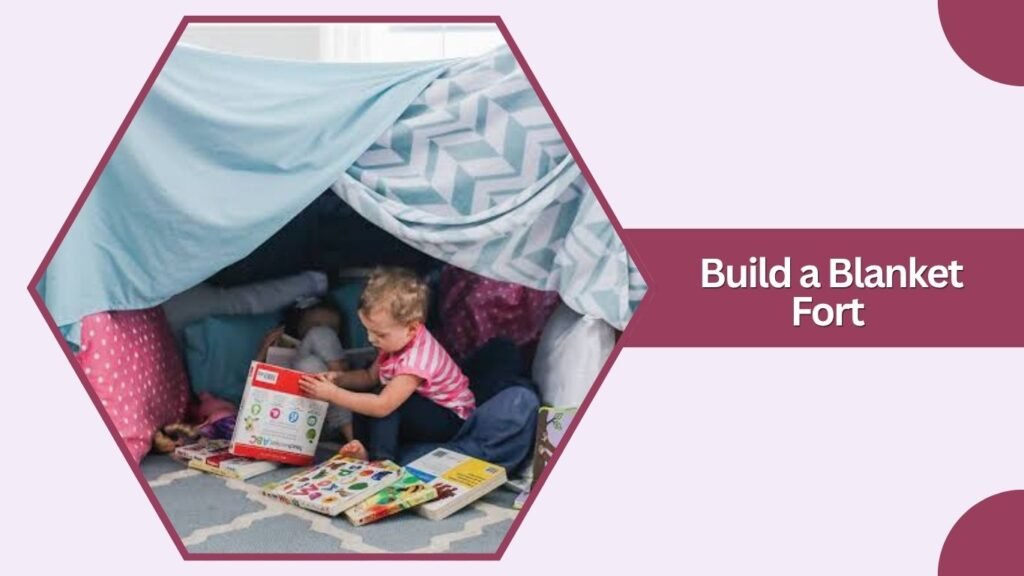
Building a blanket fort is a fun and imaginative rainy day activity for kids that transforms an ordinary living room into a cozy hideaway. Using blankets, pillows, and household furniture, children can create their own secret clubhouse, magical castle, or indoor camping shelter. This hands-on activity encourages creativity, teamwork, and problem-solving while providing a comfortable space for storytelling, reading, and pretend play. A blanket fort offers endless entertainment without requiring expensive materials or complicated preparations.
Materials Needed
- Soft blankets, bedsheets, and lightweight throws
- Cushions, pillows, and comfortable floor mats
- Sturdy chairs or low furniture for supporting the fort
- Clothespins or soft clips for securing blankets
- Battery-operated LED lights and favorite stuffed animals
How to Build a Blanket Fort
Begin by choosing a spacious area in the living room or bedroom where children can build their fort safely. Arrange sturdy chairs or suitable furniture to create a simple framework, then drape blankets or bedsheets over the supports to form walls and a roof. Secure lightweight fabrics using clips when necessary, ensuring everything remains stable. Place cushions and pillows inside to create comfortable seating. Add battery-operated lights for a cozy atmosphere, and encourage children to decorate their new hideaway with favorite toys, books, and soft accessories.
Creative Blanket Fort Ideas
Make the activity more exciting by introducing imaginative themes such as a royal castle, secret superhero headquarters, jungle hideout, or magical reading cave. Children can create signs for their forts, design imaginary entrances, and decorate the interior with colorful cushions. Consider organizing a storytelling session inside the fort or turning it into a pretend camping adventure with stuffed animals. Older children may enjoy designing interconnected rooms using multiple blankets and furniture pieces. Allowing kids to experiment with different structures encourages creativity and makes every blanket fort unique.
5. Homemade Playdough Fun
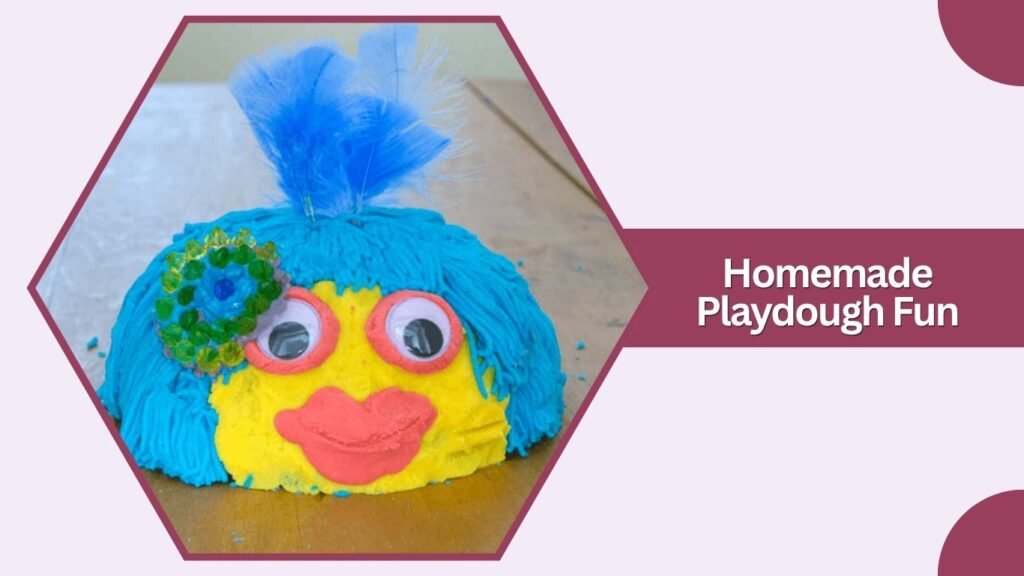
Homemade playdough fun is an engaging rainy day activity for kids that combines creativity, sensory exploration, and hands-on learning. Children can mix simple ingredients, experiment with colors, and shape soft dough into imaginative creations. From colorful animals and miniature food to letters and numbers, playdough offers countless opportunities for creative expression. This affordable indoor activity keeps children entertained while supporting fine motor development, coordination, and imaginative thinking through enjoyable, hands-on play.
Materials Needed
- Two cups of all-purpose flour
- Half a cup of fine salt
- Two tablespoons of vegetable oil
- Approximately three-quarters of a cup of warm water, added gradually
- Food coloring and child-safe dough cutters, rolling pins, or molds
How to Make Homemade Playdough
Start by combining the flour and salt in a large mixing bowl. Add the vegetable oil and gradually pour in the warm water while stirring until a soft dough begins to form. Knead the mixture until it becomes smooth and flexible, adding small amounts of flour or water if necessary. Divide the dough into several portions and mix in a few drops of food coloring to create different shades. Place the finished playdough on a clean table and provide child-safe tools for rolling, cutting, and shaping creative designs.
Creative Playdough Activity Ideas
Encourage children to create colorful animals, flowers, miniature houses, or pretend bakery treats using their homemade playdough. Younger kids can practice rolling balls, flattening shapes, and creating simple patterns, while older children may enjoy forming letters, numbers, or detailed sculptures. Introduce themed challenges such as designing a pretend pizza shop, building an imaginary garden, or creating favorite storybook characters. Children can also use safe household objects to make interesting textures and impressions. Allowing them to explore freely helps develop confidence and encourages imaginative play.
6. Indoor Camping Adventure
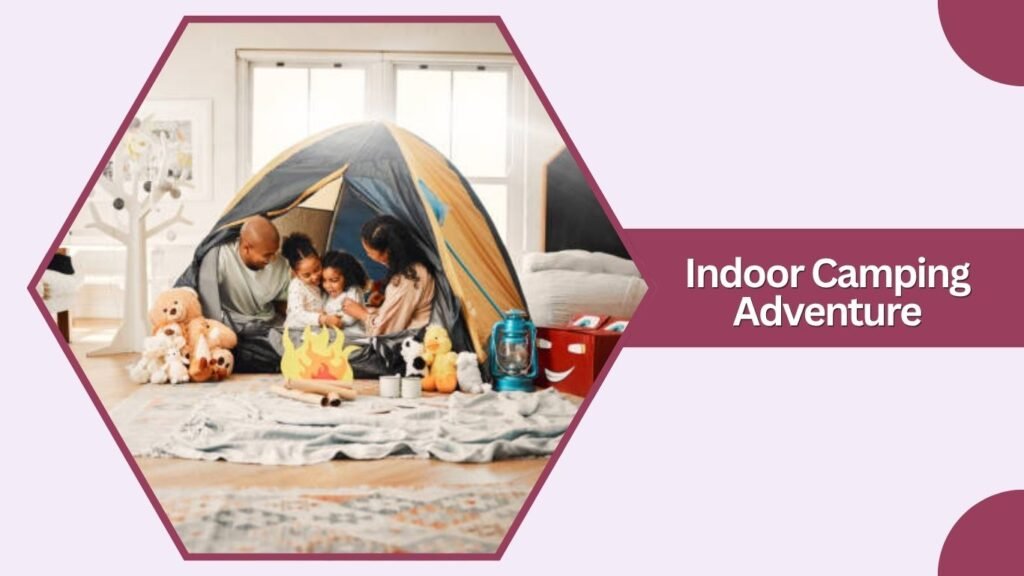
An indoor camping adventure is an exciting rainy day activity for kids that brings the fun of outdoor camping into the comfort of home. Children can set up a pretend campsite, explore imaginary wilderness, and enjoy camping-inspired games without worrying about bad weather. This creative activity encourages imagination, teamwork, and storytelling while providing a memorable family experience. Whether organized in a living room or bedroom, indoor camping offers endless opportunities for adventure, relaxation, and imaginative play.
Materials Needed
- Small indoor play tent or lightweight blankets
- Soft sleeping bags, pillows, and floor cushions
- Battery-operated lanterns or LED camping lights
- Stuffed animals and camping-themed toys
- Picture books, pretend camping supplies, and snacks
How to Organize an Indoor Camping Adventure
Start by selecting a spacious area where children can safely create their indoor campsite. Set up a small play tent or arrange lightweight blankets over stable furniture to create a camping shelter. Place sleeping bags, pillows, and cushions inside to make the space comfortable. Add battery-operated lanterns to recreate a cozy campsite atmosphere. Encourage children to organize their pretend camping equipment and decorate the surrounding area with stuffed animals. Once everything is ready, introduce simple camping activities such as storytelling, imaginary hiking, and identifying different woodland animals.
Creative Indoor Camping Ideas
Transform the living room into an imaginary forest by placing stuffed animals around the campsite and playing gentle nature sounds. Children can pretend to explore mountain trails, discover hidden wildlife, or complete a camping treasure hunt. Organize a storytelling session where everyone shares an imaginative adventure around a pretend campfire made from colored paper and battery-operated lights. Consider preparing camping-inspired snacks or creating paper binoculars for an indoor wildlife expedition. Adding different themes and challenges makes the camping experience more exciting and encourages children to explore their creativity.
7. DIY Puppet Show
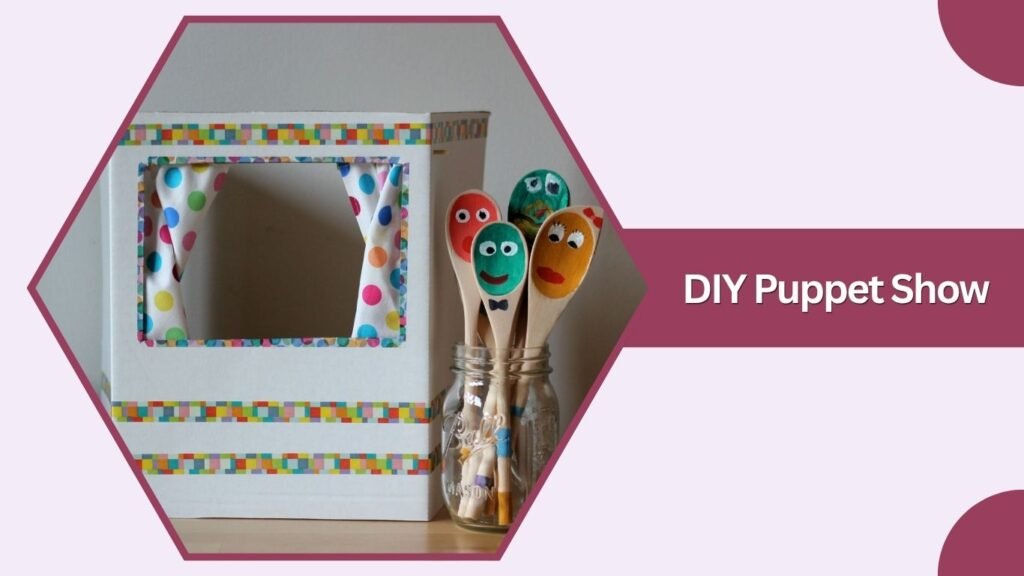
A DIY puppet show is a creative rainy day activity for kids that combines storytelling, artistic expression, and imaginative play. Children can design their own puppets, create colorful characters, and perform entertaining stories for family members or friends. Using simple household materials, they can transform an ordinary room into a miniature theater filled with exciting adventures. This activity encourages communication, confidence, and teamwork while helping children explore emotions, develop characters, and express their ideas through fun performances.
Materials Needed
- Paper bags, clean socks, or cardboard for making puppets
- Colored paper, washable markers, and crayons
- Non-toxic glue, child-safe scissors, and decorative stickers
- Cardboard boxes or lightweight fabric for creating a puppet theater
- Craft sticks, yarn, and age-appropriate decorative materials
How to Organize a DIY Puppet Show
Begin by helping children create simple puppets using paper bags, socks, or cardboard cutouts. Encourage them to draw faces, add colorful clothing, and decorate their characters with safe craft materials. Next, build a small puppet theater using a cardboard box or a lightweight fabric backdrop. Allow children to choose a story or invent their own adventure featuring the characters they created. Practice different voices and movements before presenting the performance. Invite family members to watch and encourage children to take turns controlling puppets, narrating scenes, and participating in the show.
Creative Puppet Show Ideas
Make the puppet show more entertaining by introducing themes such as fairy tales, jungle adventures, underwater exploration, or superhero missions. Children can create animal puppets and perform stories about friendship, teamwork, or solving imaginary problems. Consider organizing a funny talent show where each puppet demonstrates a special ability. Older children may enjoy writing short scripts and designing decorative stage backgrounds. Younger children can participate by creating simple character voices or repeating familiar phrases. Adding homemade tickets and colorful theater signs makes the performance feel like a special family event.
8. Baking Cookies Together

Baking cookies together is a fun and delicious rainy day activity for kids that combines creativity, practical learning, and family bonding. Children can participate in measuring ingredients, mixing dough, shaping cookies, and decorating their homemade treats. This hands-on kitchen activity introduces basic cooking skills while encouraging teamwork, patience, and creativity. Whether preparing chocolate chip cookies, sugar cookies, or colorful decorated treats, baking provides an enjoyable indoor experience that creates wonderful memories and tasty rewards.
Materials Needed
- All-purpose flour, sugar, butter, and eggs
- Baking powder or baking soda, depending on the recipe
- Chocolate chips, sprinkles, or other cookie decorations
- Mixing bowls, measuring cups, and wooden spoons
- Baking trays, parchment paper, and child-safe cookie cutters
How to Organize a Cookie Baking Activity
Start by choosing a simple cookie recipe suitable for your children’s ages and cooking abilities. Gather all ingredients and arrange them on a clean kitchen counter. Allow children to help measure flour, sugar, and other ingredients while explaining each step. Younger kids can mix ingredients and shape dough with assistance, while older children may enjoy following recipe instructions and using cookie cutters. Place shaped cookies on a prepared baking tray and have an adult handle the oven. Once the cookies have cooled, invite children to decorate them with colorful sprinkles or icing.
Creative Cookie Baking Ideas
Make cookie baking more exciting by introducing fun shapes, colorful decorations, and imaginative themes. Children can create animal-shaped cookies, rainbow-inspired treats, or cookies decorated like their favorite cartoon characters. Organize a friendly decorating challenge where everyone designs a unique cookie. Consider making alphabet cookies to practice letter recognition or number-shaped cookies for simple counting activities. Older children can experiment with different toppings and flavor combinations. Creating personalized cookie gift boxes for family members can make the activity even more meaningful and enjoyable.
9. Indoor Bowling Game
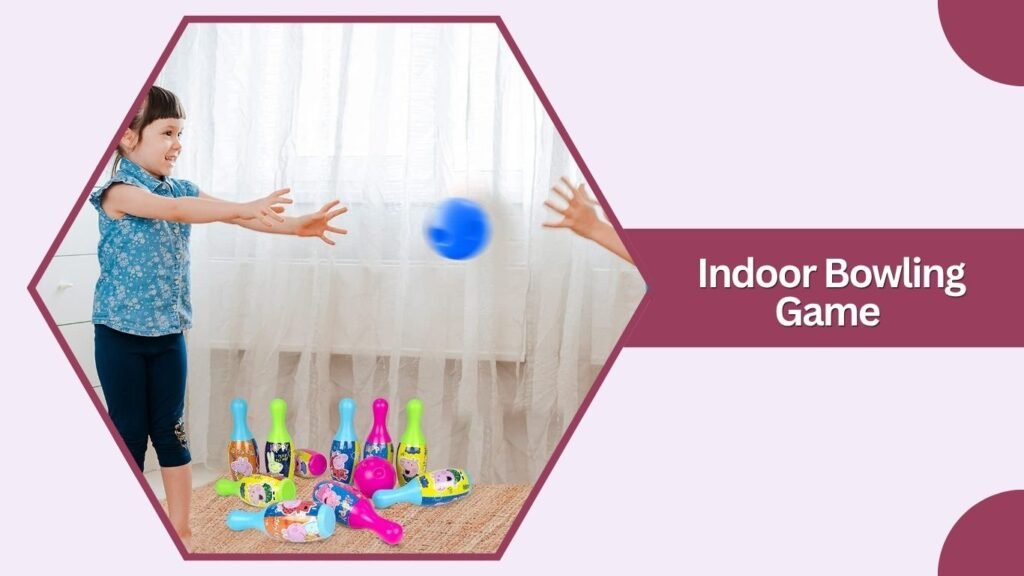
An indoor bowling game is an entertaining rainy day activity for kids that combines physical movement, coordination, and friendly competition. Using lightweight household objects, children can create a miniature bowling alley in a living room, hallway, or playroom. This simple activity encourages active play while developing aiming skills, concentration, and basic counting abilities. Whether played individually or in small teams, indoor bowling provides an exciting way for children to stay active and enjoy quality family time when outdoor activities are limited.
Materials Needed
- Six to ten empty plastic bottles or lightweight toy bowling pins
- Soft foam balls or lightweight rubber balls
- Painter’s tape for marking the bowling lane
- Paper and pencils for recording scores
- Stickers or colored paper for decorating bowling pins
How to Set Up an Indoor Bowling Game
Begin by selecting a spacious indoor area with a smooth, level floor and removing fragile objects from the playing space. Arrange six to ten lightweight bottles in a triangular formation to create bowling pins. Mark a starting line using painter’s tape and position children at a suitable distance based on their ages. Give each participant a soft ball and explain how to roll it toward the pins. Allow children to take turns and count how many pins they knock down. Reset the pins after each round and adjust the distance to keep the game challenging and enjoyable.
Creative Indoor Bowling Ideas
Make indoor bowling more exciting by introducing colorful themes, creative challenges, and different game variations. Decorate bottles with animal faces, numbers, or favorite cartoon characters to create personalized bowling pins. Children can practice knocking down specific numbered pins or complete simple counting challenges after each turn. Consider organizing a family bowling tournament with small rewards for participation and teamwork. For younger children, place the pins closer together and use a larger soft ball. Older kids may enjoy rolling from greater distances or attempting different bowling techniques to improve their accuracy.
10. Science Experiments for Kids

Science experiments for kids are exciting rainy day activities that combine hands-on learning, curiosity, and creative exploration. Using simple household materials, children can discover fascinating scientific concepts through colorful reactions, floating objects, and interactive demonstrations. These activities transform ordinary indoor spaces into miniature science laboratories where kids can ask questions, make predictions, and observe results. Whether exploring basic chemistry, physics, or nature-inspired experiments, indoor science activities provide an educational and entertaining experience for children of different ages.
Materials Needed
- Baking soda, vinegar, and food coloring
- Clear plastic cups, bowls, and measuring spoons
- Water, vegetable oil, and dish soap
- Balloons, paper towels, and lightweight household objects
- Protective table coverings and washable activity trays
How to Organize Science Experiments for Kids
Start by choosing a simple, age-appropriate experiment that uses safe household materials. Prepare a clean workspace and arrange the supplies on a protective tray or covered table. For a colorful bubbling experiment, place a small amount of baking soda in a cup and add a few drops of food coloring. Slowly pour vinegar into the mixture and encourage children to observe the bubbling reaction. Explain that combining these ingredients produces carbon dioxide gas, which creates the bubbles. Invite children to predict what might happen before repeating the experiment with different quantities.
Creative Science Experiment Ideas
Make science time more exciting by introducing several easy experiments that demonstrate different scientific principles. Children can create a floating egg experiment using saltwater, explore color mixing with water and food coloring, or investigate which household objects sink or float. A walking-water experiment using colored water and paper towels can demonstrate capillary action. Older children may enjoy recording observations, comparing results, and discussing why different reactions occur. Introduce simple challenges that encourage kids to ask questions and develop explanations based on what they observe..
11. DIY Paper Airplane Challenge
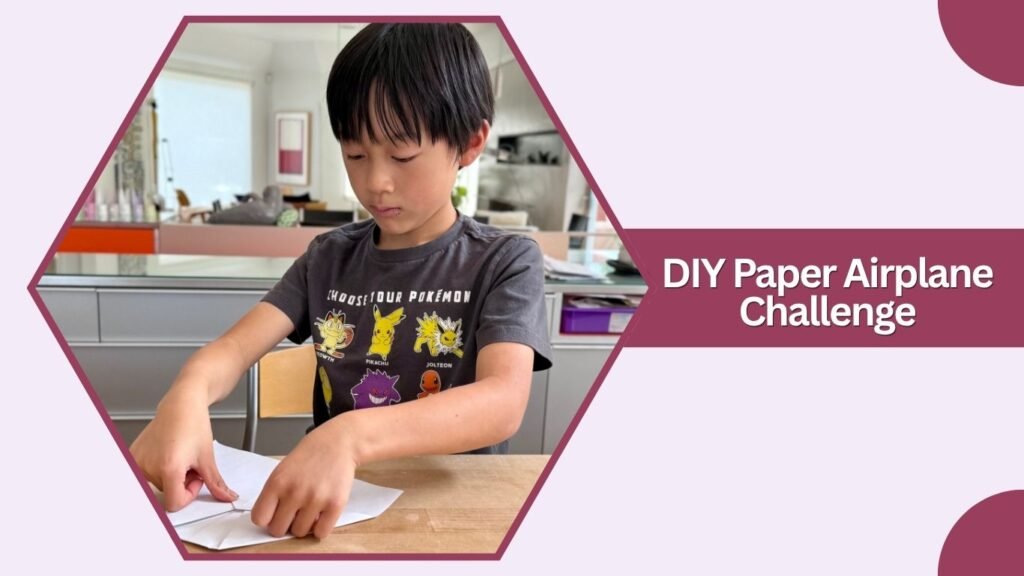
A DIY paper airplane challenge is a fun and inexpensive rainy day activity for kids that combines creativity, engineering, and friendly competition. Children can design, fold, and test different paper airplanes while exploring how shape and folding techniques affect flight. This hands-on activity requires only a few simple supplies and can be organized in a living room or spacious hallway. Whether competing for distance, accuracy, or creative design, paper airplane challenges encourage experimentation, problem-solving, and active indoor entertainment.
Materials Needed
- Lightweight printer paper or colorful construction paper
- Washable markers, crayons, and decorative stickers
- Measuring tape or ruler for recording flight distances
- Painter’s tape for marking starting lines and targets
- Paper and pencils for tracking results and scores
How to Organize a DIY Paper Airplane Challenge
Begin by giving each child several sheets of paper and demonstrating how to fold a basic paper airplane. Encourage children to experiment with different wing shapes, nose designs, and folding patterns. Once the airplanes are ready, select a spacious indoor area away from fragile objects and obstacles. Mark a starting line using painter’s tape and explain the rules of the challenge. Allow children to launch their airplanes one at a time and measure how far each airplane travels. Record the results and invite participants to improve their designs before the next round.
Creative Paper Airplane Challenge Ideas
Make the activity more entertaining by introducing different flight challenges and creative competitions. Children can participate in a longest-distance contest, an accuracy challenge involving large floor targets, or a design competition featuring colorful airplane decorations. Consider creating a paper airplane airport with designated landing zones and imaginary destinations. Older children may enjoy experimenting with wing adjustments to observe how changes affect flight performance. Encourage participants to test one modification at a time and compare results. These creative variations make the activity exciting while introducing basic engineering and experimentation concepts.
12. Indoor Dance Party
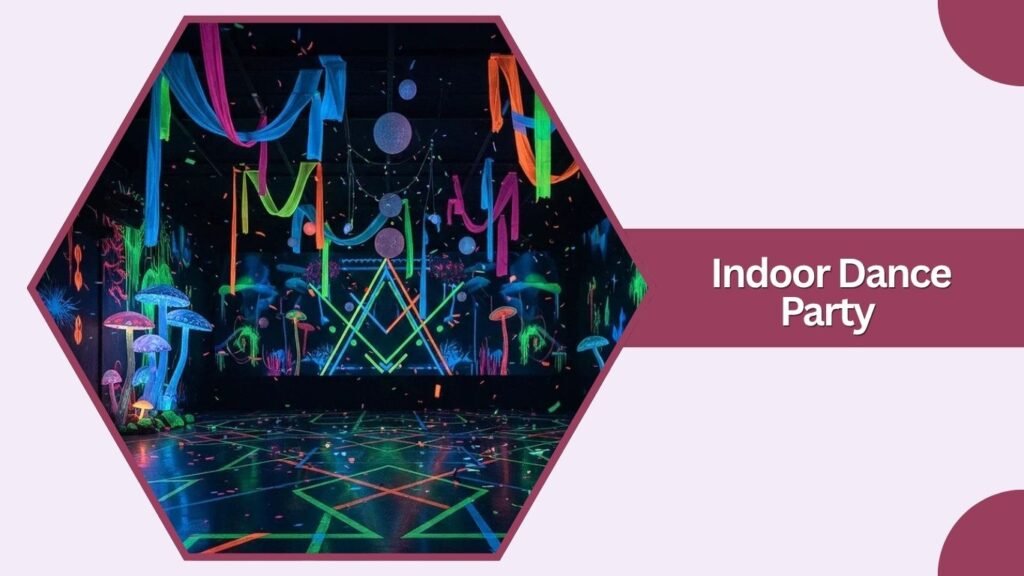
An indoor dance party is an energetic rainy day activity for kids that combines music, movement, and creative expression. Children can dance to their favorite songs, learn simple routines, and participate in entertaining musical games without leaving home. This activity transforms an ordinary living room or playroom into an exciting dance floor where kids can express themselves freely. Whether organized individually or with siblings and friends, an indoor dance party encourages physical activity, confidence, and family bonding while keeping everyone entertained.
Materials Needed
- Music player, Bluetooth speaker, or suitable audio device
- A playlist of kid-friendly songs
- Colorful scarves, ribbons, or lightweight dance accessories
- Battery-operated LED lights for creating a party atmosphere
- Comfortable clothing and non-slip footwear
How to Organize an Indoor Dance Party
Start by choosing a spacious indoor area and removing furniture or objects that could interfere with movement. Prepare a playlist featuring energetic, age-appropriate songs that children enjoy. Set up a simple dance floor using the available space and add colorful decorations or battery-operated lights to create a festive atmosphere. Encourage children to warm up with gentle movements before starting the music. Allow everyone to dance freely, demonstrate favorite moves, or follow simple routines. Introduce short breaks between songs so children can rest and stay hydrated throughout the activity.
Creative Indoor Dance Party Ideas
Make the dance party more exciting by introducing different musical themes, challenges, and interactive games. Organize a freeze dance competition where children stop moving whenever the music pauses. Create a follow-the-leader activity in which participants copy different dance movements. Kids can also invent their own routines, perform imaginary concerts, or participate in a friendly dance showcase. Consider introducing themed dance sessions inspired by animals, superheroes, or favorite movie characters. Changing musical styles and activities helps maintain excitement while encouraging children to explore different forms of movement.
13. Board Games and Puzzles
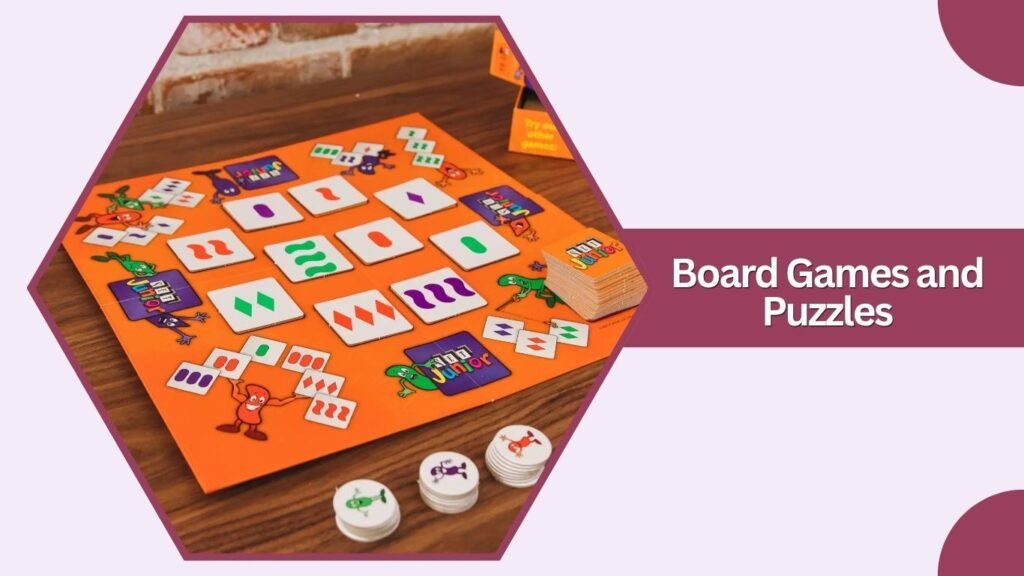
Board games and puzzles are engaging rainy day activities for kids that combine entertainment, learning, and family interaction. These classic indoor activities encourage children to think strategically, solve problems, and practice patience while enjoying friendly competition. From colorful matching games to challenging jigsaw puzzles, there are plenty of options suitable for different ages and interests. Whether played with siblings, parents, or friends, board games and puzzles provide a relaxing way to spend rainy afternoons while developing important thinking and communication skills.
Materials Needed
- Age-appropriate board games and card games
- Jigsaw puzzles with suitable difficulty levels
- Memory matching cards or picture-based games
- A comfortable table or clear floor space
- Small containers for organizing puzzle pieces and game accessories
How to Organize Board Games and Puzzles
Begin by selecting games and puzzles that match the children’s ages, interests, and abilities. Arrange a comfortable playing area with enough space for everyone to participate. Explain the rules clearly and demonstrate a practice round when introducing a new game. Younger children may enjoy simple matching games, picture puzzles, or color recognition activities, while older kids can explore strategy-based board games and more challenging jigsaw puzzles. Encourage everyone to take turns, communicate respectfully, and enjoy the experience rather than focusing only on winning.
Creative Board Game and Puzzle Ideas
Make game time more exciting by organizing a family board game tournament featuring several short games. Children can earn points for participation, teamwork, or completing different challenges. Consider introducing cooperative games where players work together toward a shared goal. For puzzle activities, create a timed challenge or divide a large jigsaw puzzle into smaller sections for teamwork. Kids may also enjoy designing their own board game using cardboard, markers, and handmade playing pieces. Rotating games throughout the afternoon keeps the experience interesting and introduces different learning opportunities.
14. Create a DIY Sensory Bin
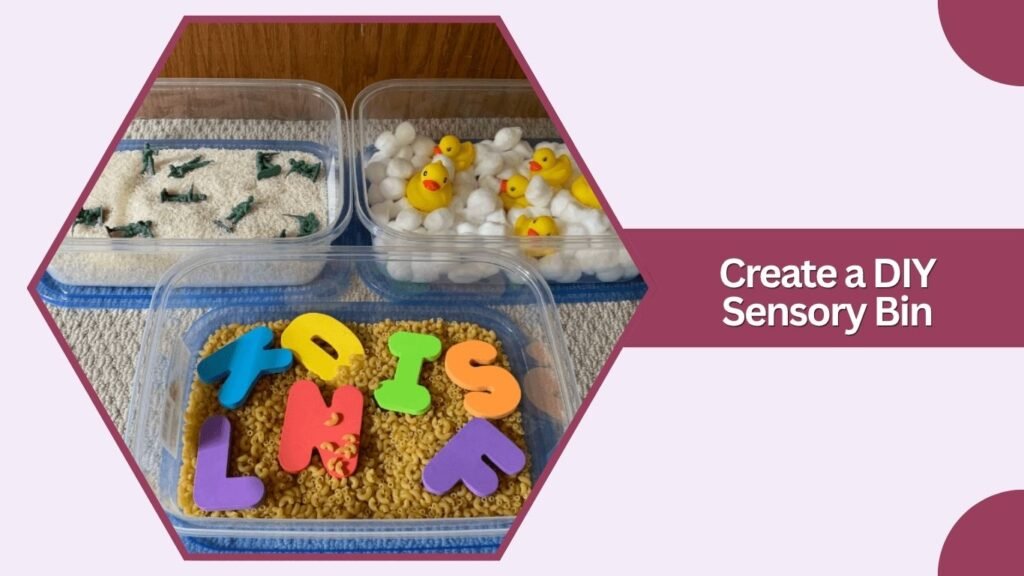
Creating a DIY sensory bin is an engaging rainy day activity for kids that combines hands-on exploration, imaginative play, and early learning. Children can explore different textures, colors, and shapes while discovering hidden objects and experimenting with simple materials. This activity transforms an ordinary container into an interactive play station filled with exciting sensory experiences. Whether designed around animals, nature, or colorful objects, sensory bins encourage curiosity, concentration, and creativity while providing entertaining indoor play opportunities.
Materials Needed
- Large shallow plastic container or sensory play tray
- Dry rice, large fabric pieces, or other age-appropriate sensory materials
- Plastic scoops, measuring cups, and small containers
- Toy animals, colorful blocks, or large decorative objects
- Child-safe spoons, funnels, and sensory play accessories
How to Create a DIY Sensory Bin
Start by selecting a spacious container and placing it on a stable table or protected floor surface. Fill the container with an age-appropriate sensory material, such as dry rice for older children or large fabric pieces for younger kids. Add colorful toys, plastic scoops, and small containers to encourage exploration. Show children how to scoop, pour, sort, and discover hidden objects using their hands or simple tools. Allow them to experiment freely while introducing basic questions about textures, shapes, and colors. Adjust the materials and difficulty based on each child’s age and developmental abilities.
Creative DIY Sensory Bin Ideas
Make sensory play more exciting by introducing imaginative themes inspired by nature, animals, or everyday activities. Create an ocean-themed bin using blue fabric, large sea animal toys, and plastic shells. A construction-themed sensory bin can include toy trucks, large blocks, and scooping tools. Children may also enjoy a pretend garden filled with artificial flowers and colorful containers. For older kids, organize sorting challenges based on colors, shapes, or object sizes. Changing themes regularly keeps the activity fresh while encouraging storytelling, creative thinking, and independent exploration.
15. Storytelling and Reading Time
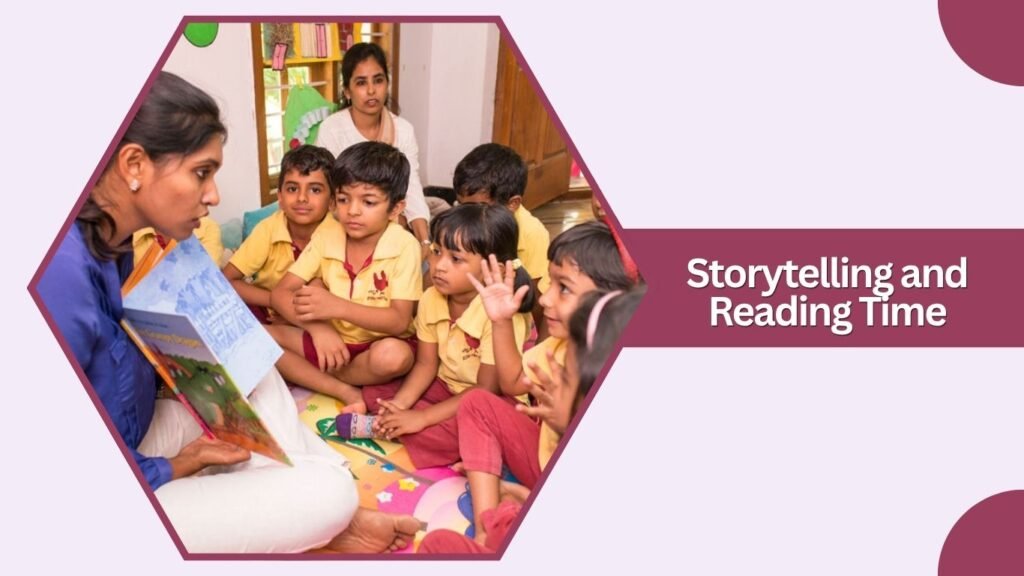
Storytelling and reading time is a relaxing rainy day activity for kids that encourages imagination, language development, and meaningful family connections. Children can explore fascinating adventures, discover interesting characters, and create their own stories while staying comfortable indoors. Whether reading colorful picture books, listening to bedtime-style stories, or inventing imaginative tales, this activity offers a peaceful alternative to energetic indoor games. A cozy reading environment makes storytelling more enjoyable while helping children develop curiosity, creativity, and a lasting appreciation for books.
Materials Needed
- Age-appropriate picture books, storybooks, or chapter books
- Comfortable pillows, blankets, and floor cushions
- A small bookshelf or basket filled with favorite stories
- Stuffed animals or simple storytelling puppets
- Paper, crayons, and colored pencils for creative activities
How to Organize Storytelling and Reading Time
Begin by creating a comfortable reading corner in the living room or bedroom. Arrange soft cushions, blankets, and favorite stuffed animals to make the space inviting. Allow children to choose books based on their interests and reading abilities. Younger kids may enjoy colorful picture books and interactive stories, while older children can explore adventure books or short chapter stories. Read aloud using expressive voices and encourage children to ask questions about the characters and events. After finishing a story, invite them to describe their favorite moments or imagine what might happen next.
Creative Storytelling and Reading Ideas
Make reading time more exciting by introducing interactive storytelling games and imaginative activities. Encourage children to invent alternative endings for familiar stories or create new adventures featuring their favorite characters. Use stuffed animals or handmade puppets to act out important scenes. Organize a family storytelling circle where each participant contributes a sentence to build a unique story. Older children may enjoy writing short stories and illustrating them with colorful drawings. Consider creating themed reading sessions based on animals, fairy tales, mysteries, or imaginary worlds to maintain excitement and encourage creative expression.
16. Indoor Scavenger Hunt
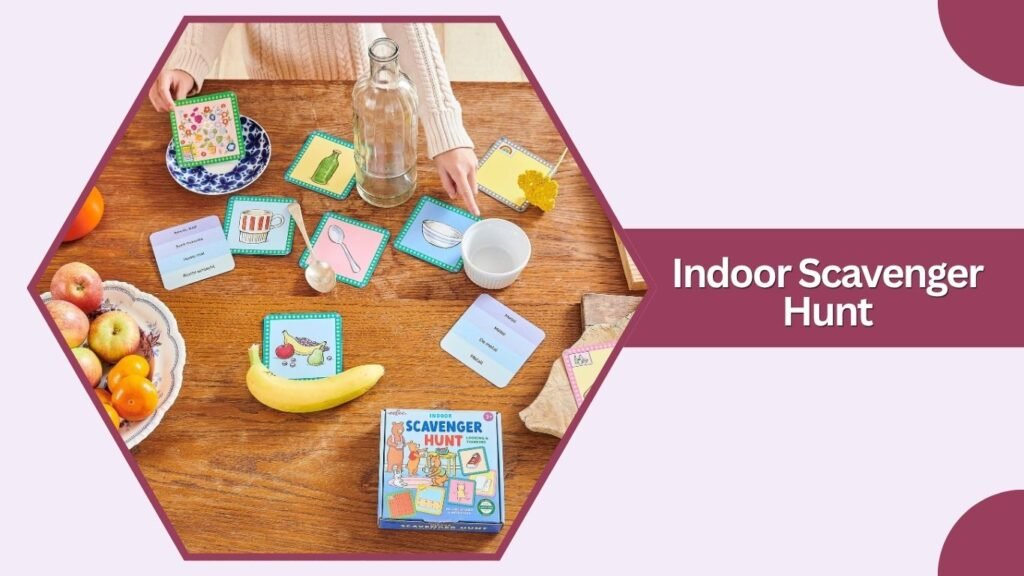
An indoor scavenger hunt is an exciting rainy day activity for kids that combines exploration, problem-solving, and imaginative play. Children can search for everyday household objects, complete creative challenges, and discover hidden surprises while staying active indoors. This interactive game requires minimal preparation and can be adapted for different ages and interests. Whether played individually or with siblings and friends, an indoor scavenger hunt encourages observation, teamwork, and curiosity while transforming an ordinary afternoon into an entertaining adventure.
Materials Needed
- Paper and pencils for creating scavenger hunt lists
- Colorful markers, crayons, and decorative stickers
- Small baskets or containers for collecting objects
- Household items such as toys, books, and stuffed animals
- Small rewards or certificates for completing challenges
How to Organize an Indoor Scavenger Hunt
Start by selecting several safe rooms where children can search for objects. Create a scavenger hunt checklist featuring familiar household items, such as something red, a soft toy, a round object, or a favorite book. For younger children, include pictures instead of written descriptions to make the activity easier. Give each participant a checklist and explain the boundaries before starting. Encourage children to explore the designated areas and identify matching objects. Once everyone completes the hunt, gather together to review the discoveries and celebrate their efforts.
Creative Indoor Scavenger Hunt Ideas
Make the scavenger hunt more entertaining by introducing different themes and creative challenges. Organize a color hunt where children search for objects matching specific colors, or create an alphabet challenge involving items that begin with different letters. A nature-inspired hunt can feature indoor plants, wooden objects, and animal-themed decorations. Older children may enjoy solving riddles or identifying objects from descriptive clues. Consider creating a teamwork challenge where siblings work together to complete a shared checklist. Changing the themes and difficulty levels keeps the activity interesting during future rainy days.
17. DIY Cardboard Box Creations
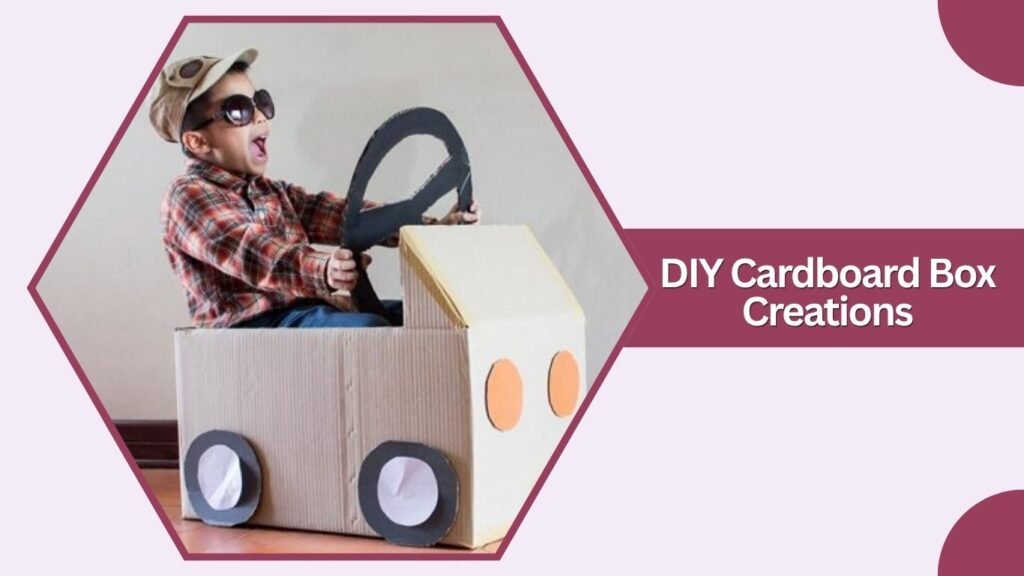
DIY cardboard box creations are imaginative rainy day activities for kids that transform ordinary packaging materials into exciting toys, structures, and decorative projects. Children can use cardboard boxes to build castles, vehicles, miniature houses, and pretend-play environments while developing their creativity. This affordable activity encourages hands-on exploration, problem-solving, and artistic expression without requiring expensive craft supplies. Whether working independently or with family members, kids can turn recycled cardboard into unique creations that provide hours of entertainment and imaginative play.
Materials Needed
- Clean cardboard boxes in different sizes
- Colored paper, crayons, and washable markers
- Child-safe scissors and non-toxic glue
- Painter’s tape or paper-based craft tape
- Stickers, lightweight decorations, and recycled paper materials
How to Organize DIY Cardboard Box Creations
Begin by collecting clean cardboard boxes and selecting a spacious indoor crafting area. Remove staples, sharp edges, and unnecessary packaging materials before allowing children to begin. Encourage kids to decide what they want to create, such as a small house, pretend vehicle, or miniature castle. Help them arrange and connect boxes using suitable tape or glue. Younger children can decorate prepared cardboard shapes with crayons and stickers, while older kids may enjoy planning more detailed structures. Allow time for painting, decorating, and imaginative play once the creations are complete.
Creative Cardboard Box Project Ideas
Make cardboard crafting more exciting by introducing imaginative building challenges and themed projects. Children can transform a large box into a pretend spaceship, colorful train, grocery store, or puppet theater. Smaller boxes work well for creating miniature houses, animal shelters, and toy garages. Consider organizing a family construction challenge where everyone designs a unique structure using recycled materials. Older children may enjoy creating windows, doors, and removable roofs with adult assistance. Encourage kids to decorate their creations with drawings, signs, and colorful paper to bring their imaginary worlds to life.
18. Painting and Coloring Activities
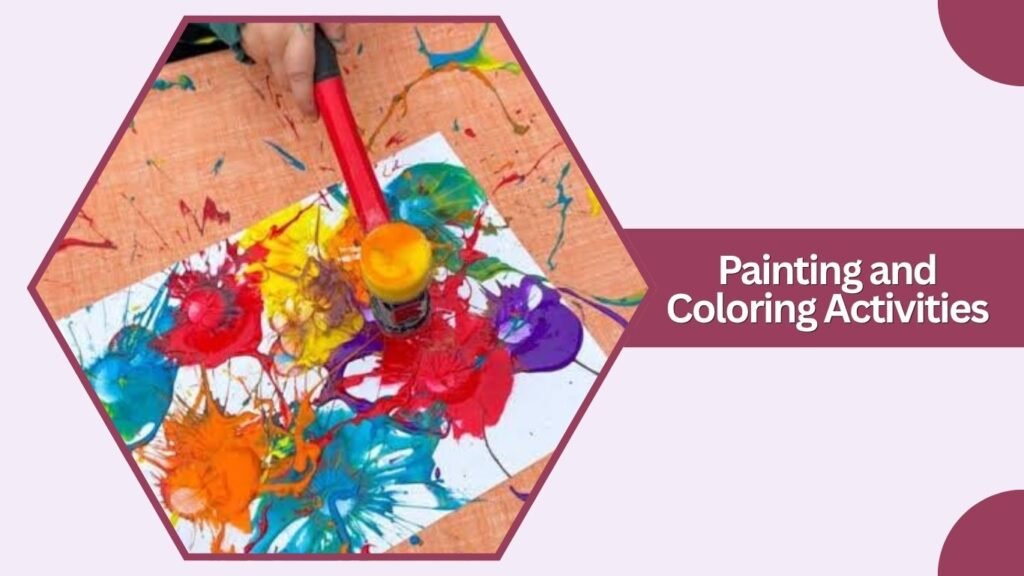
Painting and coloring activities are creative rainy day activities for kids that encourage imagination, artistic expression, and hands-on learning. Children can explore different colors, experiment with painting techniques, and create beautiful artwork using simple household supplies. Whether painting colorful landscapes, decorating paper shapes, or completing favorite coloring pages, these activities provide hours of indoor entertainment. Painting and coloring also help children develop concentration, creativity, and fine motor skills while enjoying a relaxing and educational experience at home.
Materials Needed
- Washable paints, watercolor sets, and paintbrushes
- Coloring books, printable coloring pages, and drawing paper
- Crayons, colored pencils, and washable markers
- Water containers, painting palettes, and paper towels
- Protective table coverings, aprons, and reusable art mats
How to Organize Painting and Coloring Activities
Start by preparing a comfortable art station with a clean table and enough space for children to work. Cover the surface with protective materials and arrange painting supplies within easy reach. Allow kids to choose between painting, drawing, or coloring based on their interests. Younger children may enjoy simple finger painting with appropriate non-toxic paints or coloring large pictures, while older kids can experiment with watercolor techniques and detailed illustrations. Encourage children to explore different color combinations and artistic styles without worrying about creating perfect artwork.
Creative Painting and Coloring Ideas
Make painting and coloring more exciting by introducing imaginative themes and interactive challenges. Children can paint rainy landscapes, colorful rainbows, favorite animals, or imaginary gardens. Consider organizing a family art challenge where everyone creates a picture inspired by the same theme. Kids may also enjoy painting cardboard shapes, decorating homemade bookmarks, or creating personalized greeting cards. For a different experience, introduce sponge painting, stamp printing, or simple watercolor blending techniques. Displaying completed artwork around the house helps celebrate creativity and encourages children to continue exploring artistic activities.
19. Indoor Mini Olympics
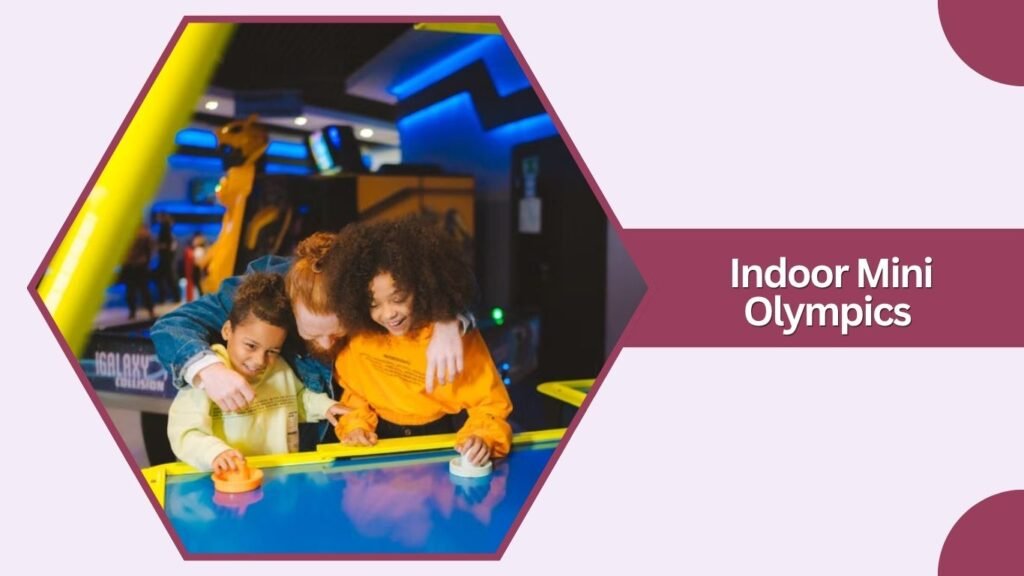
Indoor Mini Olympics is an energetic rainy day activity for kids that transforms an ordinary living room or playroom into an exciting sports arena. Children can participate in simple physical challenges, teamwork activities, and friendly competitions without needing outdoor equipment. This activity encourages movement, coordination, and confidence while providing opportunities for family bonding. Whether organized with siblings, friends, or parents, Indoor Mini Olympics offers entertaining challenges suitable for different ages and abilities while promoting active indoor play.
Materials Needed
- Soft foam balls, beanbags, and lightweight play equipment
- Plastic baskets, cups, and small containers
- Painter’s tape for marking activity zones
- Cushions, foam mats, and hula hoops
- Paper, pencils, and homemade participation certificates
How to Organize Indoor Mini Olympics
Begin by selecting a spacious indoor area and removing fragile objects or unnecessary furniture. Create several activity stations featuring simple challenges such as beanbag tossing, balancing on one foot, soft-ball target practice, and cushion stepping. Mark starting points and activity boundaries using painter’s tape. Explain the rules clearly and demonstrate each challenge before allowing children to participate. Divide kids into small teams or let them complete activities individually. Encourage everyone to enjoy the experience while celebrating participation, improvement, and teamwork rather than focusing entirely on winning.
Creative Indoor Mini Olympics Ideas
Make the event more exciting by introducing imaginative competitions and themed activities. Organize a soft-ball throwing challenge where children aim at plastic baskets from different distances. Create a balance competition using marked floor lines or a standing-on-one-foot challenge. Kids can also participate in balloon-free movement relays, animal walks, or timed stepping exercises. Consider designing homemade medals and participation certificates to celebrate everyone’s achievements. Older children may enjoy recording personal scores and trying to improve their results, while younger participants can complete simplified versions of each challenge.
20. DIY Musical Instruments
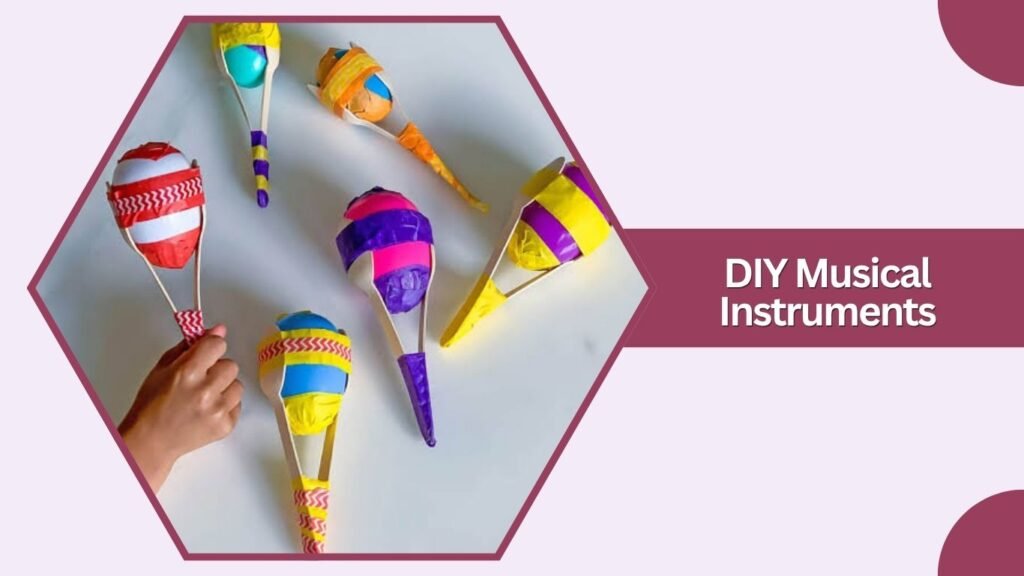
DIY musical instruments are exciting rainy day activities for kids that combine creativity, sound exploration, and hands-on learning. Children can transform simple household materials into homemade drums, shakers, and string instruments while discovering different sounds and rhythms. This imaginative activity encourages artistic expression, problem-solving, and musical curiosity without requiring expensive equipment. Whether creating a miniature family band or exploring basic musical patterns, homemade instruments provide an entertaining indoor experience that supports creativity, coordination, and family interaction.
Materials Needed
- Empty cardboard boxes, paper tubes, and clean plastic containers
- Wooden spoons and lightweight household utensils
- Large dry pasta pieces or other age-appropriate shaker fillings
- Rubber bands and sturdy cardboard for simple string instruments
- Colored paper, washable markers, stickers, and non-toxic glue
How to Make DIY Musical Instruments
Start by gathering clean, safe household materials and arranging them on a crafting table. Help children create simple instruments based on their ages and interests. A cardboard box can become a homemade drum when tapped gently with hands or suitable lightweight utensils. Older children can create a sealed shaker using a sturdy plastic container filled with dry pasta, provided an adult secures the lid so the contents cannot escape. Simple cardboard string instruments can be made by stretching rubber bands across a reinforced box opening with adult assistance. Encourage children to decorate their creations before experimenting with different sounds and rhythms.
Creative DIY Musical Instrument Ideas
Make musical crafting more exciting by organizing a homemade family band where each child plays a different instrument. Children can create rhythmic patterns, perform favorite songs, or invent original musical compositions. Introduce a sound-matching game where participants identify instruments by listening carefully. Older kids may enjoy experimenting with different materials to discover how size, tension, and shape influence sound. Consider organizing a miniature concert with handmade tickets and colorful stage decorations. Allowing children to explore sounds freely encourages musical creativity and makes the activity entertaining for everyone.
FAQs
1. What Are Some Easy Rainy Day Activities for Kids at Home?
Easy rainy day activities for kids include indoor treasure hunts, blanket forts, coloring, paper airplane challenges, and indoor bowling. Most require minimal preparation and use common household materials such as paper, pillows, cardboard boxes, and plastic bottles.
2. What Rainy Day Activities Can Kids Do Without Special Supplies?
Kids can enjoy storytelling, indoor dance parties, scavenger hunts, and imaginative play without special supplies. Everyday household items like blankets, books, cushions, and recycled cardboard can provide hours of creative indoor entertainment.
3. How Can I Keep Kids Active Indoors on a Rainy Day?
Organize simple physical activities such as indoor obstacle courses, dance parties, soft-ball bowling, and mini Olympics. These games encourage movement, coordination, and exercise while keeping children entertained inside the house.
4. What Are Some Educational Rainy Day Activities for Kids?
Educational rainy day activities include simple science experiments, puzzles, sensory play, storytelling, and arts and crafts. These activities help children develop problem-solving abilities, creativity, concentration, and fine motor skills through enjoyable hands-on learning.
5. How Can I Plan Rainy Day Activities for Kids on a Budget?
Choose activities that use materials already available at home, such as paper, crayons, cardboard boxes, blankets, and empty plastic containers. Prepare two or three simple activities in advance and alternate between creative projects, physical games, and quiet play to keep children engaged without spending much money.
