


Making homemade playdough is a fun, affordable, and creative activity that kids can enjoy at home. With a few simple kitchen ingredients, you can create soft, colorful playdough without buying expensive supplies. Whether you want a traditional cooked recipe, a no-cook version, or homemade playdough without cream of tartar, there are several easy methods to try. This guide explains how to make homemade playdough step by step, fix sticky textures, add natural colors, and store your creations for longer-lasting fun.
What Ingredients Do You Need for Homemade Playdough?
Homemade playdough typically uses flour, salt, water, and oil. Cream of tartar is often included to create a smoother, more elastic texture, but it isn’t essential. Most ingredients are already available in the kitchen, making this an inexpensive craft activity for families.
Basic Homemade Playdough Ingredients
- 2 cups all-purpose flour
- 3/4 cup table salt
- 4 teaspoons cream of tartar
- 2 cups water
- 2 tablespoons vegetable oil
- A few drops of food coloring (optional)
These ingredients make a soft, moldable dough suitable for sensory play. You can divide the finished dough into smaller portions and add different colors to create a colorful collection.
How to Make Homemade Playdough Step by Step

The traditional cooked playdough recipe is one of the most reliable methods for creating soft, stretchy dough. Heating the ingredients helps the flour absorb moisture and develop a smooth consistency. This easy homemade playdough recipe usually takes about 10–15 minutes to prepare.
Step 1: Mix the Dry Ingredients
Combine flour, salt, and cream of tartar in a medium saucepan. Stir thoroughly until the dry ingredients are evenly distributed. This helps prevent clumps and creates a consistent texture.
Step 2: Add Water and Oil
Pour the water and vegetable oil into the saucepan. Add food coloring if you want a single-colored batch. Stir continuously until the ingredients form a smooth, thick mixture.
Step 3: Cook Over Low Heat
Place the saucepan over low to medium-low heat. Stir constantly as the mixture begins to thicken. Continue cooking until the dough gathers into a soft ball and pulls away from the sides of the pan.
Step 4: Cool and Knead
Remove the dough from the heat and allow it to cool until comfortable to handle. Knead for two to three minutes until smooth and flexible. Adult supervision is essential when using the stove.
How to Make Homemade Playdough Without Cream of Tartar
Cream of tartar improves elasticity and helps preserve the texture, but you can still make homemade playdough without it. This version is useful when you want a simple recipe using everyday kitchen ingredients. The finished dough may be slightly less elastic but remains suitable for creative activities.
Ingredients
- 2 cups all-purpose flour
- 1/2 cup table salt
- 1 cup warm water, plus a little extra if needed
- 2 tablespoons vegetable oil
- 2 tablespoons lemon juice
- Food coloring (optional)
Preparation Method
Mix flour and salt in a bowl. Combine the warm water, oil, lemon juice, and food coloring separately. Slowly add the liquid mixture to the dry ingredients while stirring. Knead the mixture until it becomes smooth and pliable. If the dough feels too sticky, sprinkle in a little additional flour. If it crumbles, add water gradually.
This cream-of-tartar-free homemade playdough is a practical alternative for quick indoor crafts.
How to Make Homemade Playdough Without Cooking

A no-cook homemade playdough recipe is convenient for parents and teachers who want a quick craft without using a stove. Children can participate in measuring and mixing ingredients under adult supervision. This method produces soft dough using warm water and simple pantry supplies.
Easy No-Cook Playdough Recipe
Combine two cups of flour, half a cup of salt, and two tablespoons of vegetable oil in a large bowl. Gradually add approximately one cup of warm water while mixing.
Knead thoroughly until the mixture forms a smooth dough. Add small amounts of flour or water as needed to adjust the consistency.
For colored playdough, mix a few drops of food coloring into the water before adding it to the flour. Adults should handle hot water if used.
How to Make Homemade Playdough with Cornstarch
Cornstarch can create a softer, silkier sensory dough compared with traditional flour-based playdough. This alternative is useful when experimenting with different textures or creating a simple no-cook craft.
Cornstarch Playdough Ingredients
Combine approximately two cups of cornstarch with one cup of plain, unscented hair conditioner Mix gradually until the ingredients form a soft, moldable dough. Adjust the texture by adding extra cornstarch if sticky or a small amount of conditioner if crumbly.
This version is not edible and may contain fragrance or ingredients that irritate sensitive skin. It is best suited to supervised play with older children who will not put dough in their mouths.
How to Make Homemade Playdough with Natural Colors
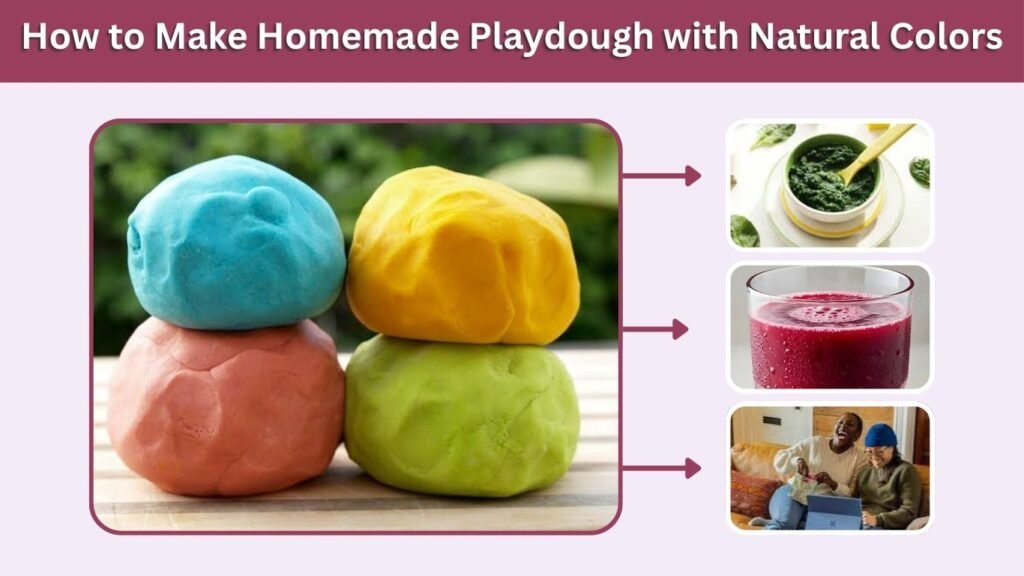
Colorful homemade playdough encourages creativity and makes sensory activities more exciting for children. Instead of using artificial food coloring, you can experiment with natural ingredients to create attractive shades. Natural colors may appear softer than commercial dyes, but they give homemade playdough a unique appearance.
Natural Playdough Coloring Ideas
- Pink: Use a small amount of beet juice.
- Yellow: Add a pinch of turmeric powder.
- Green: Mix in a little spinach puree.
- Brown: Add cocoa powder for homemade brown playdough.
- Purple: Try concentrated blueberry juice.
- White: Leave the dough uncolored and use white flour.
When using liquid colors, reduce the recipe’s water slightly to maintain the correct consistency. Powdered ingredients should be mixed thoroughly with the flour before adding liquids.
How to Make Homemade Playdough Less Sticky
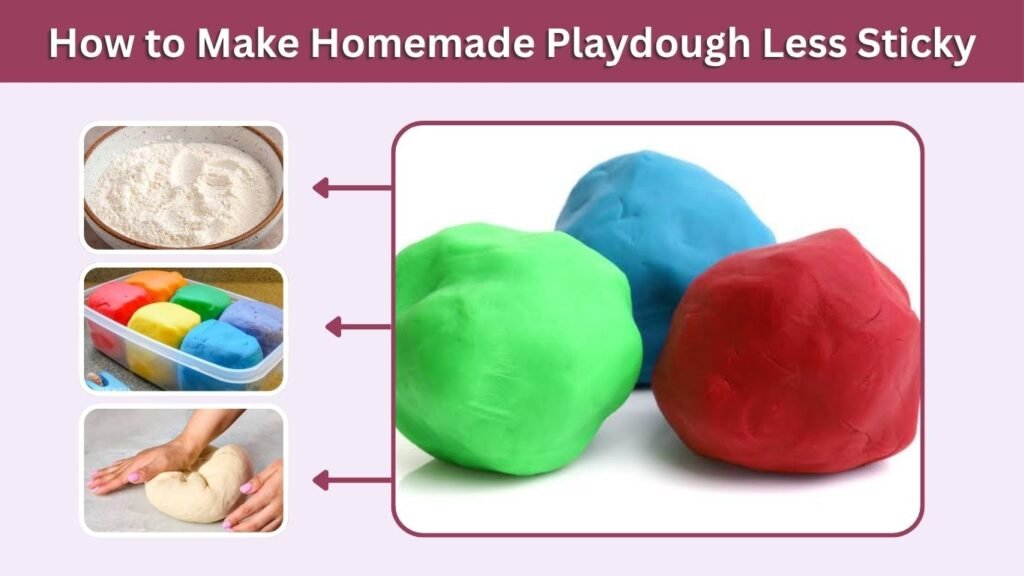
Sticky playdough is a common problem, especially when too much water is added or the mixture is not heated sufficiently. Fortunately, most texture problems are easy to correct. Small adjustments can transform overly sticky dough into a smooth, soft, and stretchable material.
Tips for Fixing Sticky Playdough
- Add one teaspoon of flour at a time and knead thoroughly.
- Allow freshly cooked playdough to cool before adjusting.
- Continue cooking briefly if the original mixture is undercooked.
- Avoid adding excessive water during preparation.
- Knead for several minutes to improve smoothness.
If homemade playdough becomes dry or crumbly, add a few drops of water or oil and knead again. Adjust ingredients gradually to avoid changing the texture too much.
How to Make Homemade Playdough Last Longer

Proper storage helps homemade playdough stay soft, clean, and reusable. Exposure to air causes moisture loss, while dirty hands and containers can introduce microorganisms. Keeping the dough sealed and handling it hygienically can extend its useful life.
Storage and Preservation Tips
Place homemade playdough in an airtight container or resealable plastic bag immediately after use. Store it in a cool location, preferably in the refrigerator. Wash hands before playing and keep the dough away from dirty surfaces.
Discard playdough if it develops mold, unusual discoloration, or an unpleasant smell. The Ontario Science Centre recommends refrigerated storage and notes that properly prepared homemade dough may remain usable for approximately two to three months, although actual storage life varies.
Is Homemade Playdough Safe for Kids?
Homemade playdough can be an enjoyable sensory activity when appropriate ingredients and adult supervision are used. However, traditional playdough is not edible. Its high salt content can be harmful if swallowed in large quantities, and raw flour may contain harmful bacteria.
For safer preparation, use a thoroughly cooked recipe rather than allowing young children to handle uncooked flour dough. Keep small pieces away from children who frequently put objects in their mouths, and consider wheat allergies or skin sensitivities.
FAQs
1. How Do You Make Homemade Playdough with Three Ingredients?
Mix flour, salt, and water until a soft dough forms. Start with one cup of flour, a quarter cup of salt, and approximately half a cup of water. For children’s play, cook the mixture thoroughly rather than using raw flour dough.
2. Can You Make Homemade Playdough Without Salt?
Yes, salt-free homemade playdough can be made using flour, oil, and water. However, it generally has a shorter storage life than traditional recipes. Prepare small batches, store them properly, and discard them promptly if they develop signs of spoilage.
3. How Do You Make Homemade Playdough Soft Again?
Add a few drops of water to dry homemade playdough and knead thoroughly. If necessary, incorporate a tiny amount of vegetable oil to improve flexibility. Continue kneading until the texture becomes smooth, but discard dough showing any signs of contamination.
4. Can Homemade Playdough Be Baked to Make It Hard?
Traditional homemade playdough may dry and harden, but it is not designed for producing durable baked decorations. Salt dough is usually a better choice for ornaments and keepsakes. Never bake playdough containing conditioner, glitter, or other unsuitable ingredients.
5. How Do You Make Homemade Scented Playdough?
Add a small amount of cinnamon, vanilla extract, or another suitable food-grade flavoring during preparation. Mix thoroughly to distribute the scent. Avoid strong essential oils, particularly for young children, because they may irritate skin or encourage unsafe handling.
