

Pretend play is more than a fun childhood activity. It gives children opportunities to explore their imagination, express emotions, develop communication skills, and understand the world around them. Whether children pretend to be doctors, run imaginary restaurants, or care for dolls, these playful experiences can support important developmental skills. Pretend play also encourages independence, cooperation, and creative thinking without requiring expensive toys. Understanding the benefits of pretend play can help parents and educators create meaningful learning opportunities that support children’s social, emotional, cognitive, and language development.
What Is Pretend Play?
Pretend play is a form of imaginative activity in which children create fictional situations, imitate real-life experiences, or assign new meanings to familiar objects. It is also called imaginative play, make-believe play, or symbolic play. These activities allow children to experiment with different roles, express ideas, and explore everyday experiences in a comfortable environment.
Common Examples of Pretend Play
- Pretending to cook meals in a play kitchen.
- Playing doctor with dolls or stuffed animals.
- Running an imaginary grocery store.
- Dressing up as firefighters or superheroes.
- Pretending a cardboard box is a spaceship.
- Acting as teachers in a pretend classroom.
Cognitive Benefits of Pretend Play
Pretend play creates opportunities for children to think creatively, solve problems, and remember information. When children invent imaginary situations, they practice planning actions, adapting to new circumstances, and exploring different possibilities. These experiences can support developing cognitive skills, although individual outcomes depend on children’s ages, interactions, and broader learning environments.
1. Encourages Creativity and Imagination

Pretend play allows children to transform ordinary objects into imaginary tools, places, and characters.
For example, a cardboard box might become a rocket, while a blanket becomes a superhero cape. Creating these imaginary situations encourages flexible thinking and gives children freedom to experiment with original ideas.
2. Develops Problem-Solving Skills
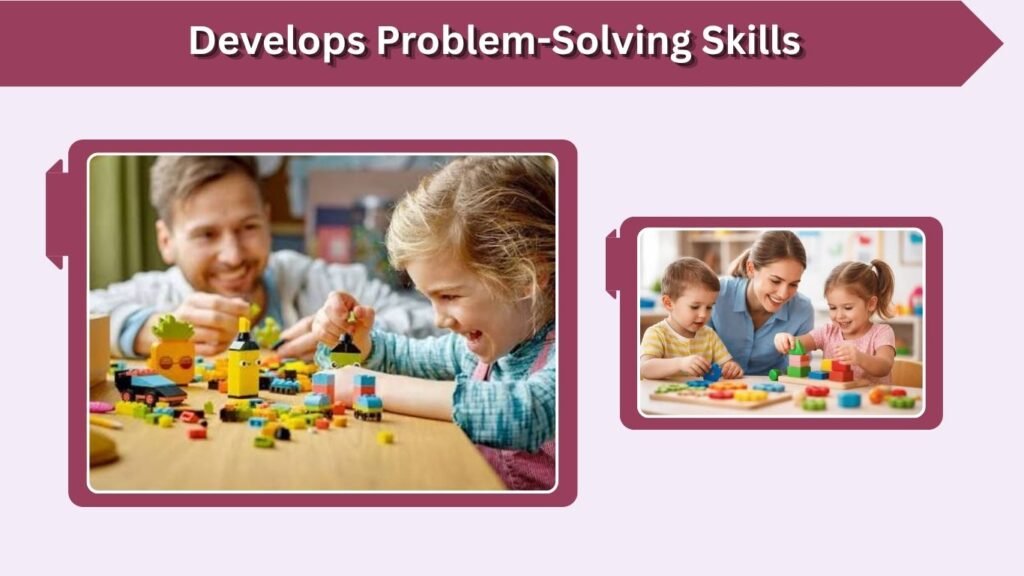
Children encounter small challenges while creating imaginary scenarios.
When a pretend restaurant runs out of food or a toy patient needs treatment, children must develop solutions. These experiences provide opportunities to practice decision-making, planning, and adapting when something unexpected happens.
3. Strengthens Memory and Flexible Thinking
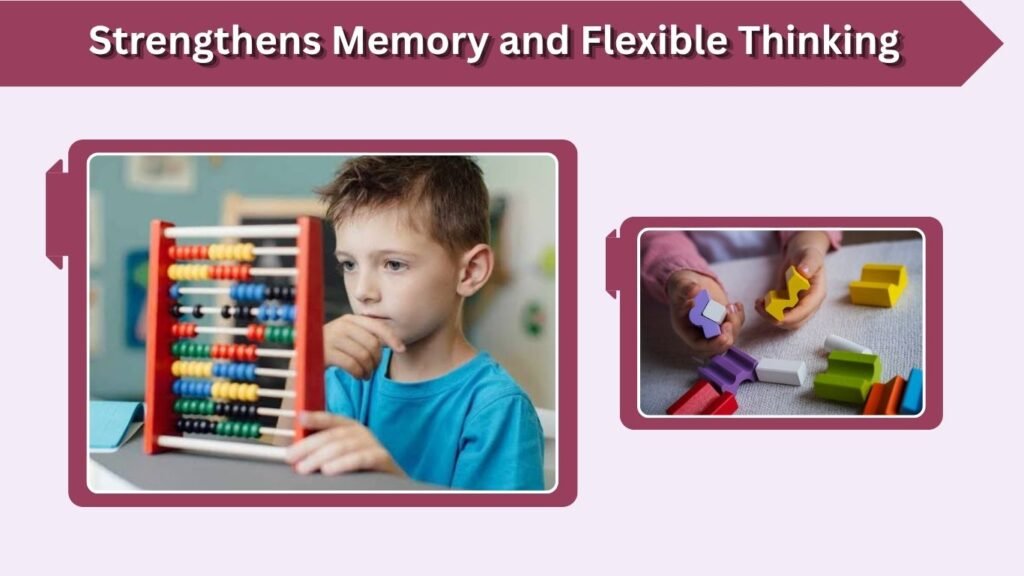
Pretend games often involve remembering characters, storylines, and agreed-upon rules.
A child pretending to run a shop may remember customer orders or switch between different roles. These activities can exercise working memory and cognitive flexibility, both important components of executive functioning.
Social Benefits of Pretend Play
Pretend play encourages children to interact with others through shared stories, imaginary situations, and cooperative activities. When playing together, children learn to communicate preferences, negotiate roles, and respond to different viewpoints. These experiences provide valuable practice for building friendships and participating in group activities, particularly during the preschool years.
4. Improves Cooperation and Teamwork
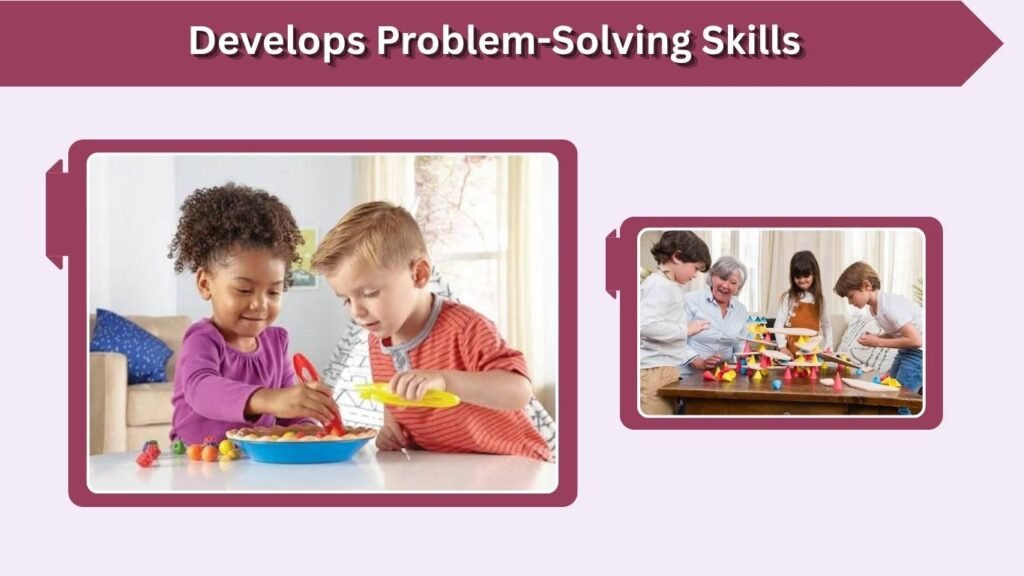
Group pretend play requires children to organize activities and agree on imaginary roles.
For example, children playing firefighters may decide who drives the truck and who rescues the animals. These interactions encourage collaboration and teach children how to work toward shared goals.
5. Encourages Empathy and Perspective-Taking
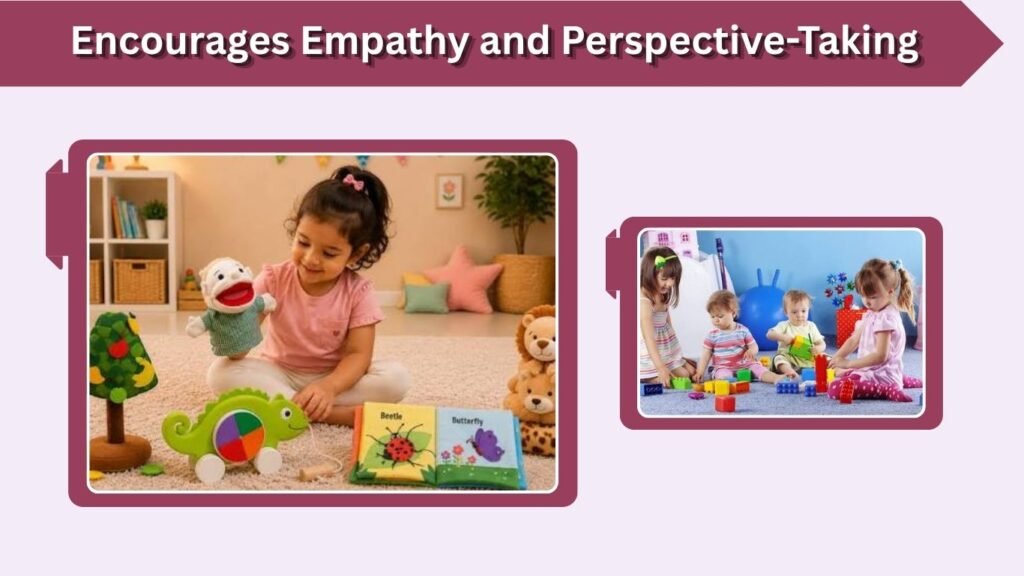
Pretending to be someone else gives children opportunities to consider different feelings and experiences.
A child acting as a veterinarian may imagine how a frightened animal feels. Such role-playing can support conversations about empathy, kindness, and understanding another person’s perspective.
6. Helps Children Practice Sharing and Taking Turns
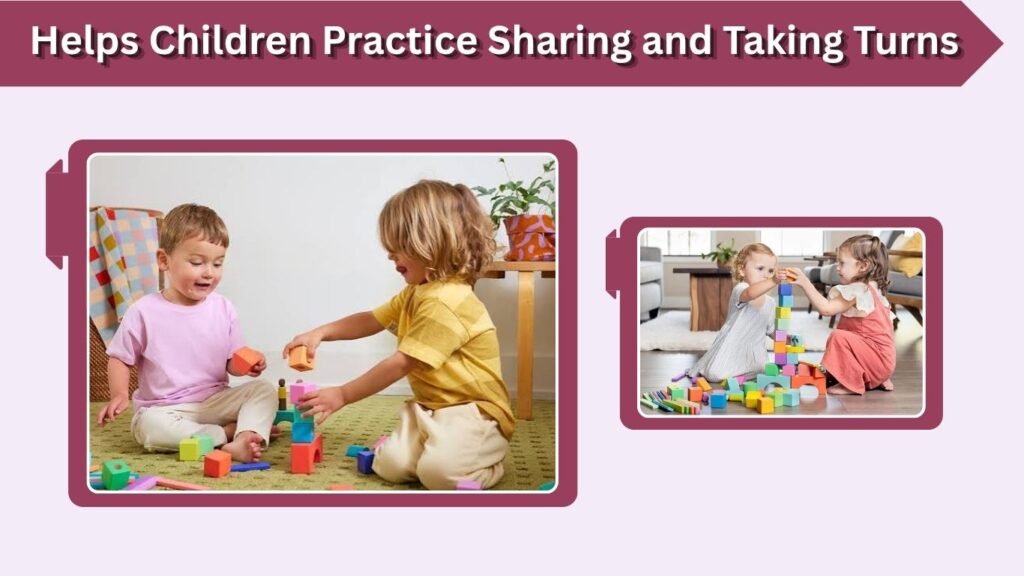
Shared pretend games provide natural opportunities to practice patience and cooperation.
Children may take turns using a toy cash register or playing different characters. With gentle adult guidance, these moments can help children navigate disagreements and develop positive social habits.
Emotional Benefits of Pretend Play
Pretend play provides a flexible environment where children can express feelings and explore unfamiliar situations. By acting out experiences, they may develop a better understanding of emotions and practice different responses. Play can also create positive interactions with caregivers, helping children feel supported while developing confidence and independence.
7. Supports Emotional Expression
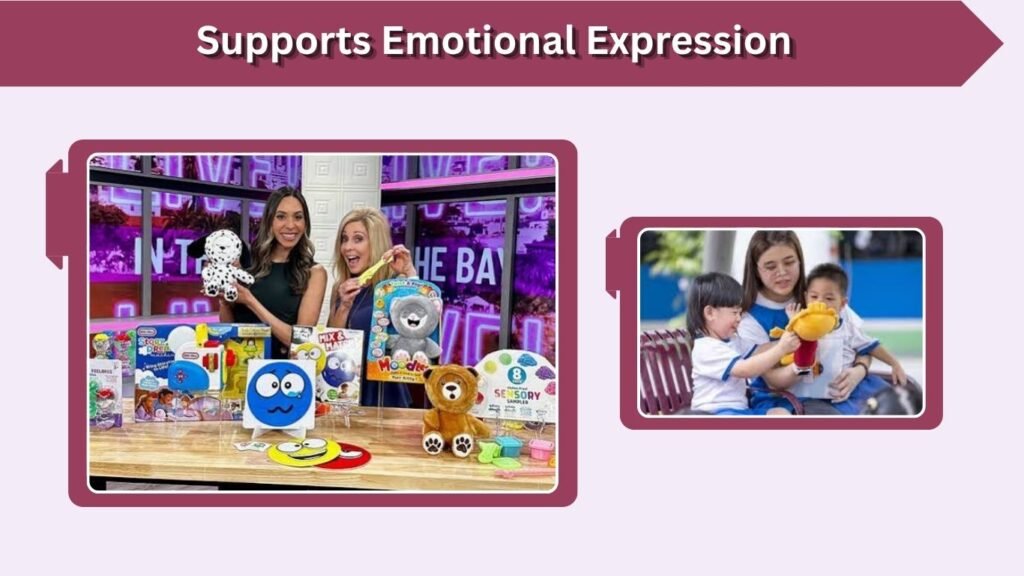
Children sometimes communicate feelings more easily through imaginary stories than through direct conversations.
A child who feels nervous about visiting the doctor may pretend to examine a stuffed animal. This playful experience can provide an opportunity to explore worries and discuss familiar situations.
8. Builds Confidence and Independence
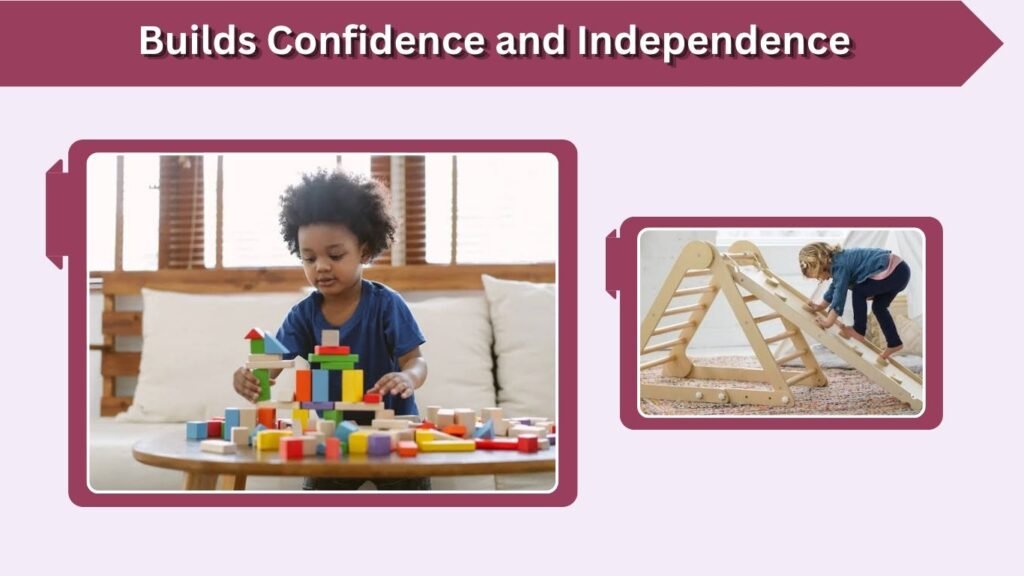
Pretend play allows children to make decisions without the pressures associated with real-world responsibilities.
When children organize an imaginary shop or lead a pretend adventure, they practice making choices and expressing preferences. Successfully navigating these activities can strengthen their sense of independence.
9. Encourages Self-Regulation
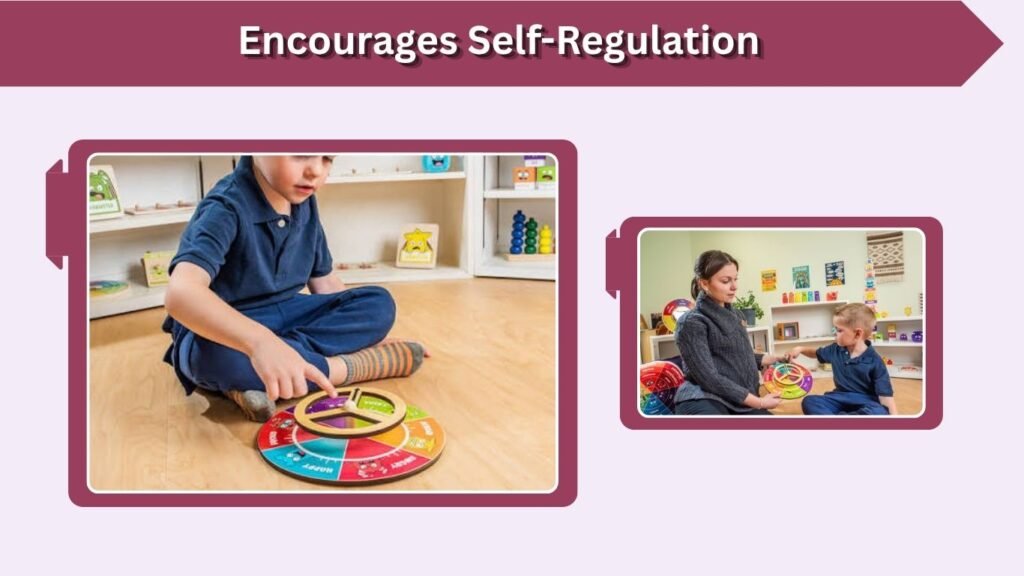
Pretend games often require children to follow imaginary rules and adjust their behavior to fit different roles.
For example, a child pretending to be a teacher may practice waiting, listening, and responding calmly. Such activities offer opportunities to develop attention and behavioral self-regulation.
Language Benefits of Pretend Play
Language development is closely connected with children’s social interactions and imaginative activities. Pretend play encourages conversation because children explain imaginary situations, assign roles, and describe events. Through interactions with caregivers and peers, they encounter unfamiliar words and practice expressing ideas. These experiences can complement everyday reading, storytelling, and conversation.
10. Expands Vocabulary and Communication
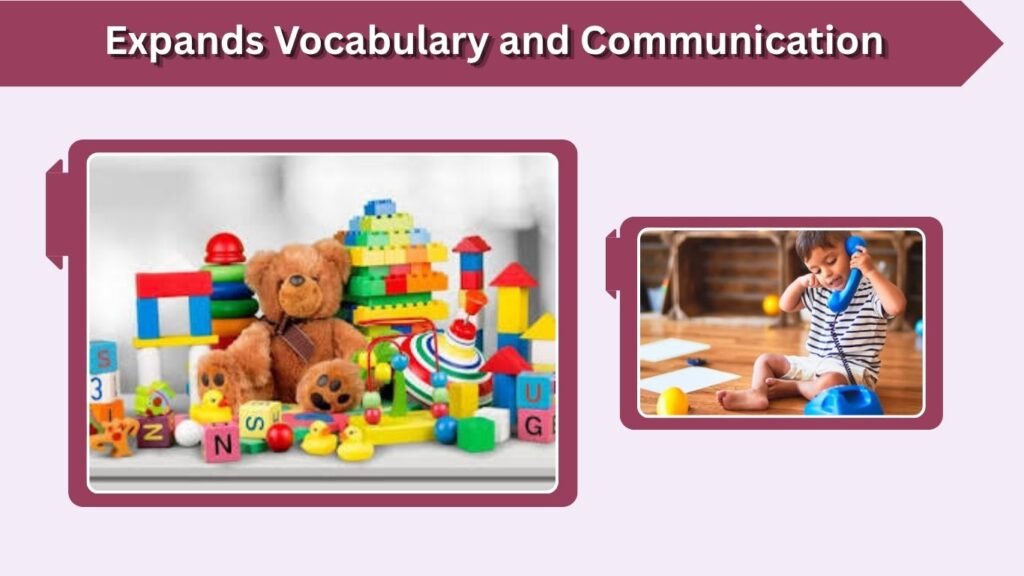
Pretend play introduces words associated with different activities and environments.
Playing restaurant may encourage children to use terms such as menu, ingredients, customer, and receipt. Conversations with adults and peers provide opportunities to hear and use these words naturally.
11. Develops Storytelling Skills
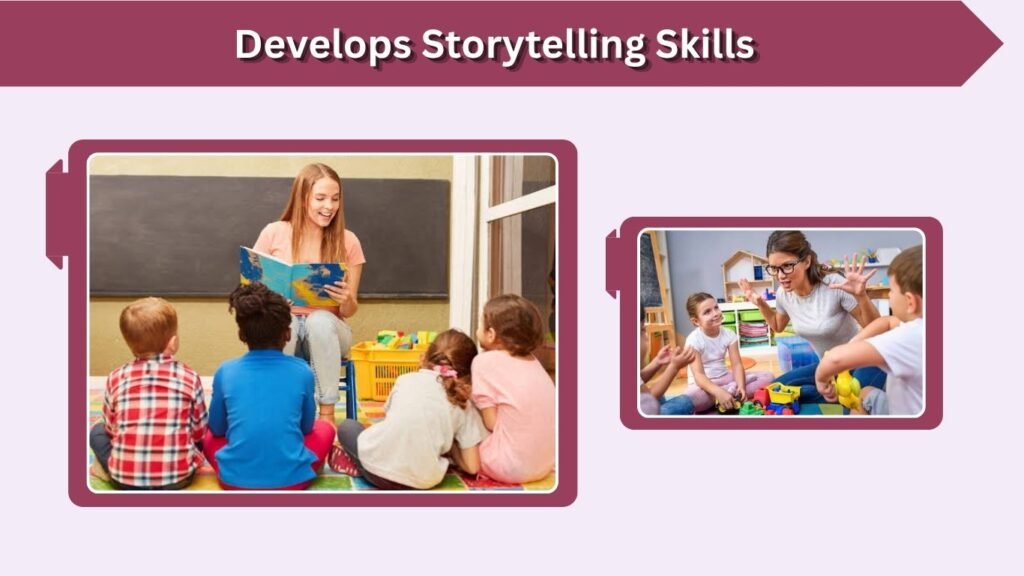
Creating imaginary adventures helps children organize events into meaningful sequences.
A child might describe a superhero discovering a problem, finding a solution, and returning home. These experiences encourage storytelling and provide practice using descriptive language.
Physical Benefits of Pretend Play
Some pretend play activities involve movement, coordination, and handling objects. These experiences can support physical development when children have enough space to move safely. Activities involving dress-up clothes, pretend cooking tools, and imaginary adventures also provide opportunities to practice fine and gross motor movements.
12. Supports Motor Skills and Coordination
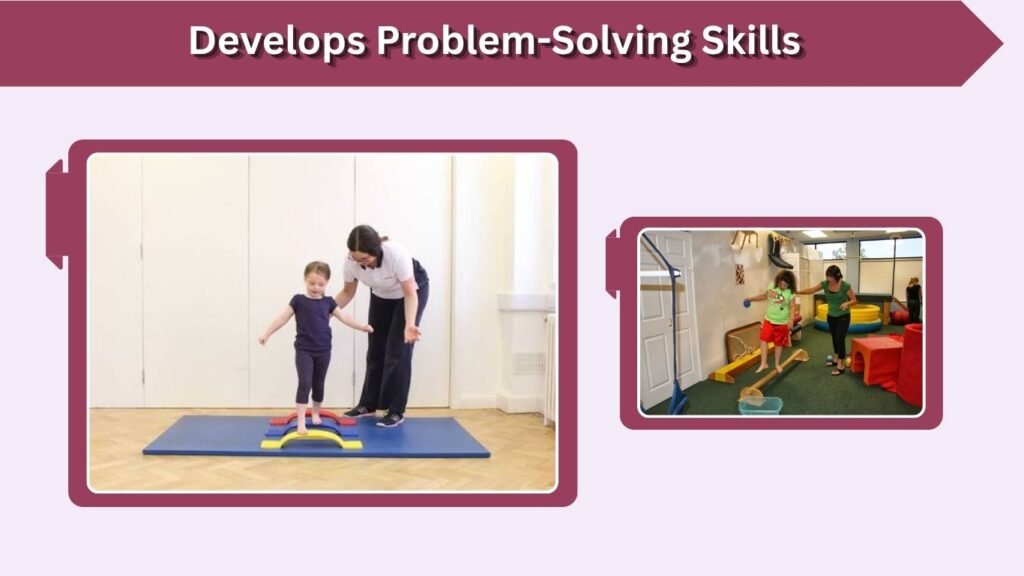
Pretending to cook, build, or care for a baby can involve grasping, carrying, stirring, and arranging objects.
Active imaginary games may include jumping, balancing, or moving around obstacles. These movements provide additional opportunities to practice coordination alongside other forms of physical play.
Benefits of Pretend Play by Age
Pretend play changes as children develop language, social awareness, and cognitive abilities. Younger toddlers often imitate familiar actions, while older preschoolers create more elaborate stories involving different characters and rules. Recognizing these developmental differences helps adults provide suitable materials and experiences without expecting every child to play in the same way.
Pretend Play for Toddlers Ages 1–3
Toddlers may pretend to feed dolls, talk on toy phones, or imitate household activities.
These simple experiences encourage imitation, early communication, and symbolic thinking. Adults can participate by describing actions and following the child’s interests.
Pretend Play for Preschoolers Ages 3–5
Preschoolers often enjoy more complex activities involving characters, conversations, and imaginary settings.
Playing school, restaurant, or veterinarian provides opportunities to practice cooperation, storytelling, and problem-solving. Their imaginary games may gradually include more detailed rules and shared responsibilities.
How Parents Can Encourage Pretend Play
Encouraging pretend play does not require expensive toys or elaborate playrooms. Everyday household objects, simple costumes, and open-ended materials can inspire creative experiences. Parents can support play by providing safe spaces, responding to children’s ideas, and allowing them to direct imaginary activities. The goal is to encourage exploration rather than control every part of the game.
Easy Ways to Encourage Imaginative Play
- Provide dolls, toy animals, and simple dress-up clothes.
- Offer cardboard boxes and other safe, open-ended materials.
- Set up pretend kitchens, shops, or doctor’s offices.
- Join imaginary games without controlling the storyline.
- Encourage children to invent characters and situations.
- Rotate play materials to maintain interest.
Why Child-Led Play Matters
Child-led pretend play allows children to explore ideas at their own pace.
Instead of directing every activity, adults can ask open-ended questions and follow children’s imaginative choices. This approach supports independence while creating opportunities for meaningful interaction.
FAQs
1. Why Is Pretend Play Important for Child Development?
Pretend play provides opportunities to practice communication, creativity, cooperation, emotional expression, and problem-solving. It supports several developmental areas through enjoyable, age-appropriate activities.
2. At What Age Does Pretend Play Begin?
Simple pretend play often appears around 18–24 months, although development varies. More elaborate imaginary games commonly emerge during the preschool years.
3. What Are the Social Benefits of Pretend Play?
Pretend play encourages children to cooperate, share ideas, negotiate roles, take turns, and explore different perspectives when interacting with others.
4. Does Pretend Play Help With Language Development?
Yes. Conversations during pretend play provide opportunities to learn new vocabulary, create stories, ask questions, and practice communicating with adults and peers.
5. Can Pretend Play Improve Problem-Solving Skills?
Pretend play gives children opportunities to create imaginary challenges, explore possible solutions, and adjust their plans. These experiences can support developing problem-solving abilities.
